Engadget analysis: LCDs narrow the gap on OLED value in 2026
While OLED remains the premium standard for picture quality, advancements in Mini-LED and local dimming have made LCD displays a compelling, cost-effective alternative for many consumers.
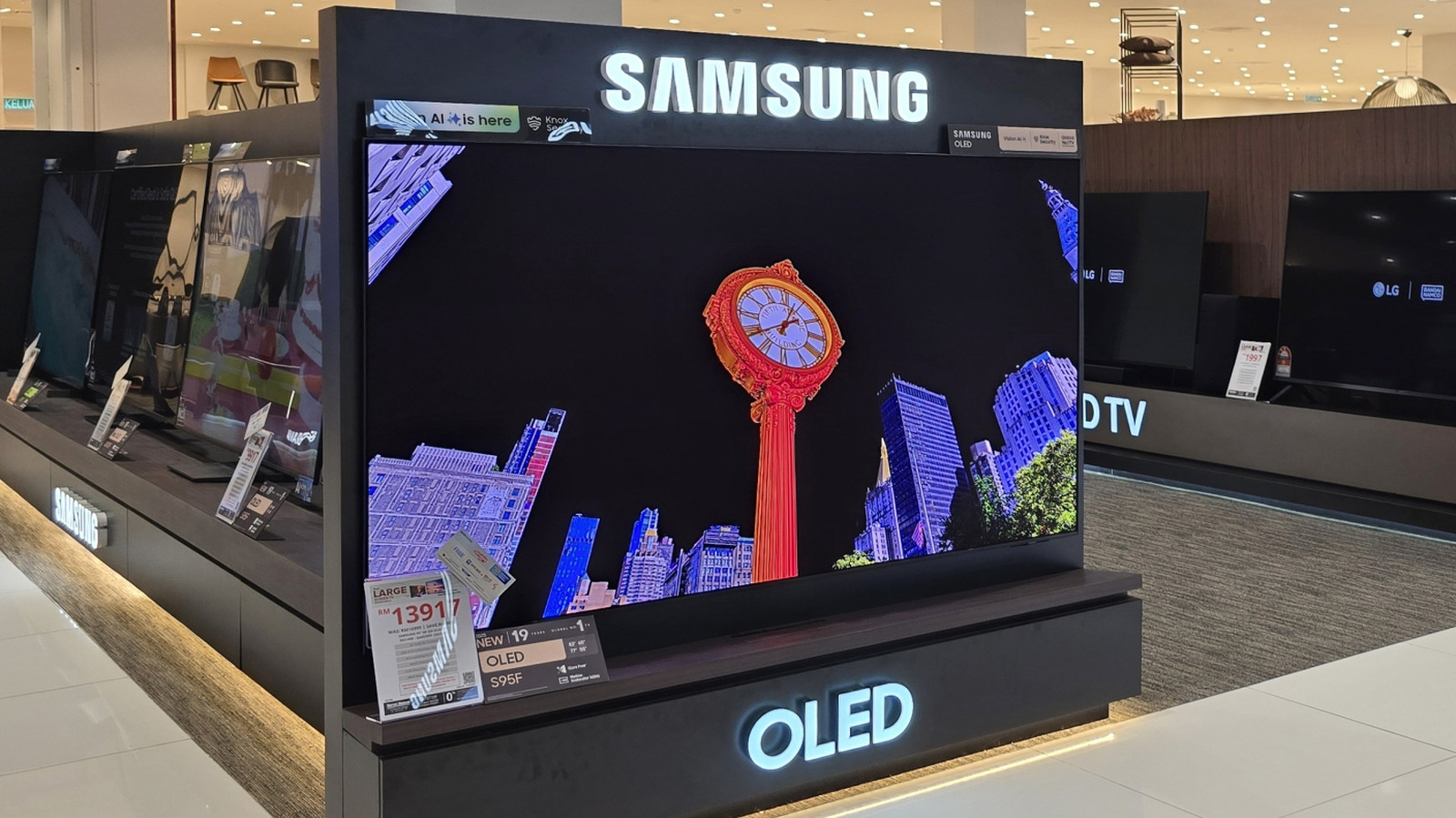
Engadget published an analysis on 19 July 2026 evaluating the current value proposition of OLED televisions, highlighting a significant shift in the competitive landscape for consumer electronics. The report notes that while OLED technology continues to offer superior contrast and response times, LCD displays equipped with Mini-LED backlights and improved local dimming zones now provide comparable performance at lower price points.
The analysis suggests that the traditional "OLED tax"—referring to the higher manufacturing costs and retail prices associated with organic light-emitting diode panels—is not always justified for every buyer. Although OLEDs are widely regarded as among the best televisions available in 2026, the performance gap has narrowed considerably. LCD panels can now mimic the visual fidelity of OLEDs in many scenarios, particularly for viewers who prioritise brightness over absolute contrast.
OLED technology functions by allowing each pixel to produce its own light, enabling individual control over colour and lighting levels. This results in superior contrast, inky blacks, and faster response times, making it an ideal choice for gaming and fast-paced content. In contrast, LCDs rely on a separate backlight shining through light-filtering pixels, which historically limited their ability to match the precision of OLEDs. However, the introduction of more precise local dimming zones has allowed LCD manufacturers to achieve better colour accuracy and darker graphics in smaller sections of the screen.
For consumers watching television in well-lit rooms or outdoor spaces, LCDs offer distinct advantages. The analysis highlights that LCD displays generally provide higher raw brightness levels, making them easier to view in bright environments. Additionally, while OLED burn-in is less of an issue than in earlier generations, LCDs remain less susceptible to permanent damage from static content, such as sports scores or news tickers, offering greater peace of mind for specific viewing habits.
Ultimately, the decision rests on the viewer's priorities. Engadget concludes that flagship OLEDs remain worth the investment for those who demand peak picture quality, colour accuracy, and sleek design features often bundled with premium models. However, for budget-conscious buyers or those in brightly lit environments, mid-tier or budget LCD panels now present a viable and cost-effective alternative that delivers substantial performance improvements over previous years.
