Engadget analysis: Android Auto outpaces CarPlay in customisation and AI integration
A comparison published by Engadget highlights the widening gap between the two dominant in-car infotainment systems, with Android Auto leveraging developer tools and Gemini AI to deliver a more adaptable experience for drivers.
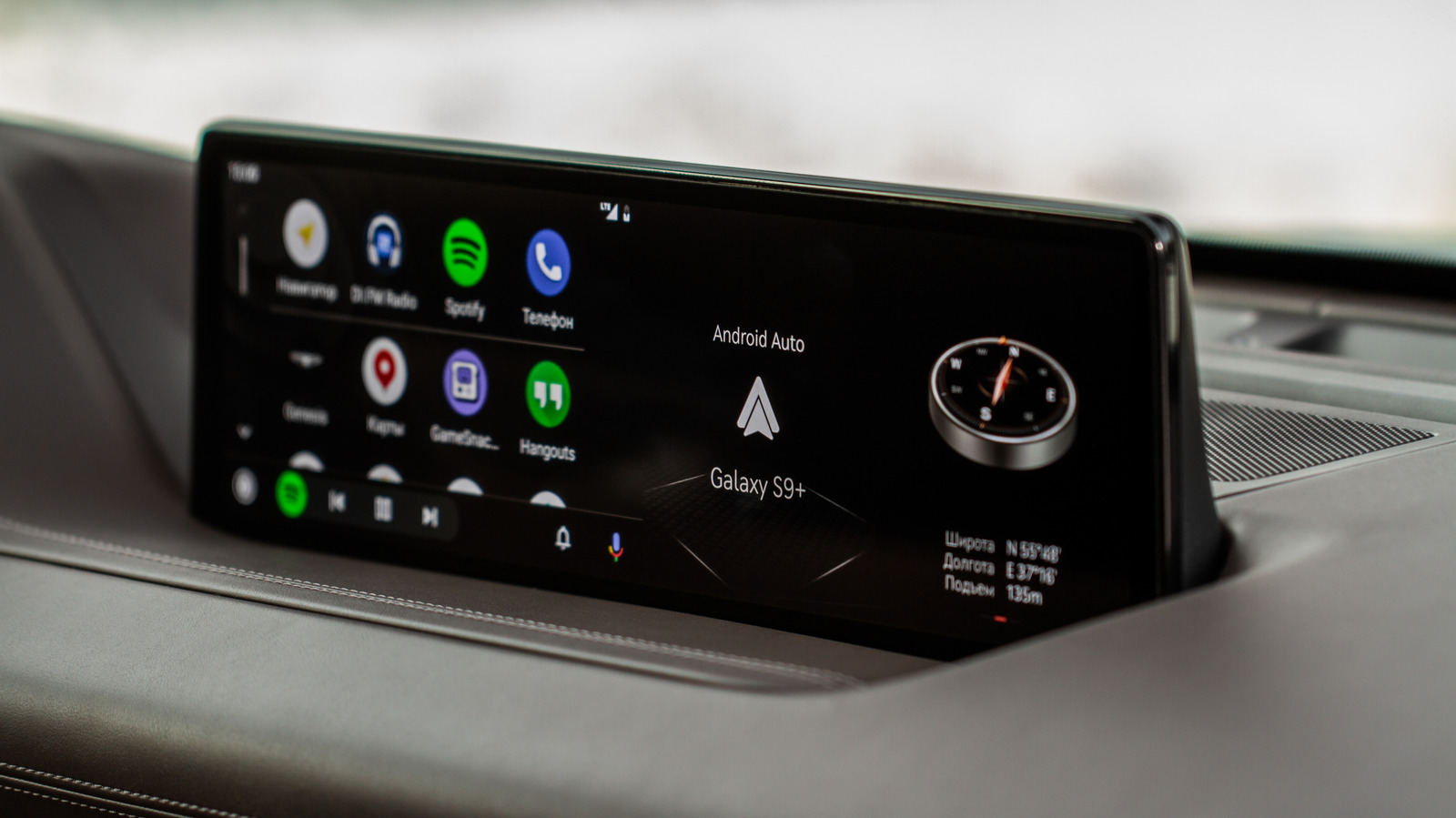
Most car manufacturers have supported Android Auto and Apple CarPlay for the past decade, integrating them as essential extensions of smartphones. However, a new comparison published by Engadget concludes that Android Auto currently provides superior customisation, access to third-party applications, and better artificial intelligence integration compared to its Apple counterpart. While both platforms offer polished interfaces, the depth of user control and underlying technology reveals a distinct advantage for Google’s approach.
Android Auto utilises a multi-window design that allows drivers to customise the placement of maps, media, and widgets, whereas CarPlay primarily focuses on one application at a time. Google permits users to set custom wallpapers using their phone’s background, while CarPlay restricts visual options to a set of stock photos. Although CarPlay allows for some grid rearrangement and split-screen views, it lacks the granular control found in the Android ecosystem. Apple is reportedly testing CarPlay Ultra with manufacturers such as Aston Martin and Tesla, which may help close this feature gap in the future.
Power users benefit significantly from Android Auto’s secret developer settings menu, which permits the installation of sideloaded applications from unknown sources. This feature enables the use of apps like CarStream for YouTube and allows for manual adjustments to video resolution, forced day or night modes, and wireless connectivity toggles. In contrast, Apple CarPlay restricts users to a smaller selection of CarPlay-friendly applications subject to stringent guidelines, with no comparable developer menu available by design.
The disparity extends to artificial intelligence capabilities, where Google’s Gemini AI demonstrates superior natural language understanding compared to Apple’s Siri AI in the iOS 27 beta. Hands-on testing indicates that Gemini can process complex, contextual driving commands more effectively, reducing driver distraction. While Apple is utilising Gemini to help power Siri in iOS 27, early beta performance has shown inconsistencies, such as misinterpreting basic requests for rest stops.
The final release of Siri AI in iOS 27 is not expected until autumn, meaning its full capabilities remain unverified. It remains unclear if CarPlay Ultra will successfully close the feature gap with Android Auto or if the long-term stability of sideloaded apps via Google’s developer menu is guaranteed. For now, however, Android Auto remains the more powerful rival, offering greater flexibility and more robust AI integration for drivers.