Engadget advises on optimal phone cases for wireless charging
The technology publisher recommends thin cases with Qi2 magnetic rings or internal cutouts to maximise charging speed and protect device integrity.
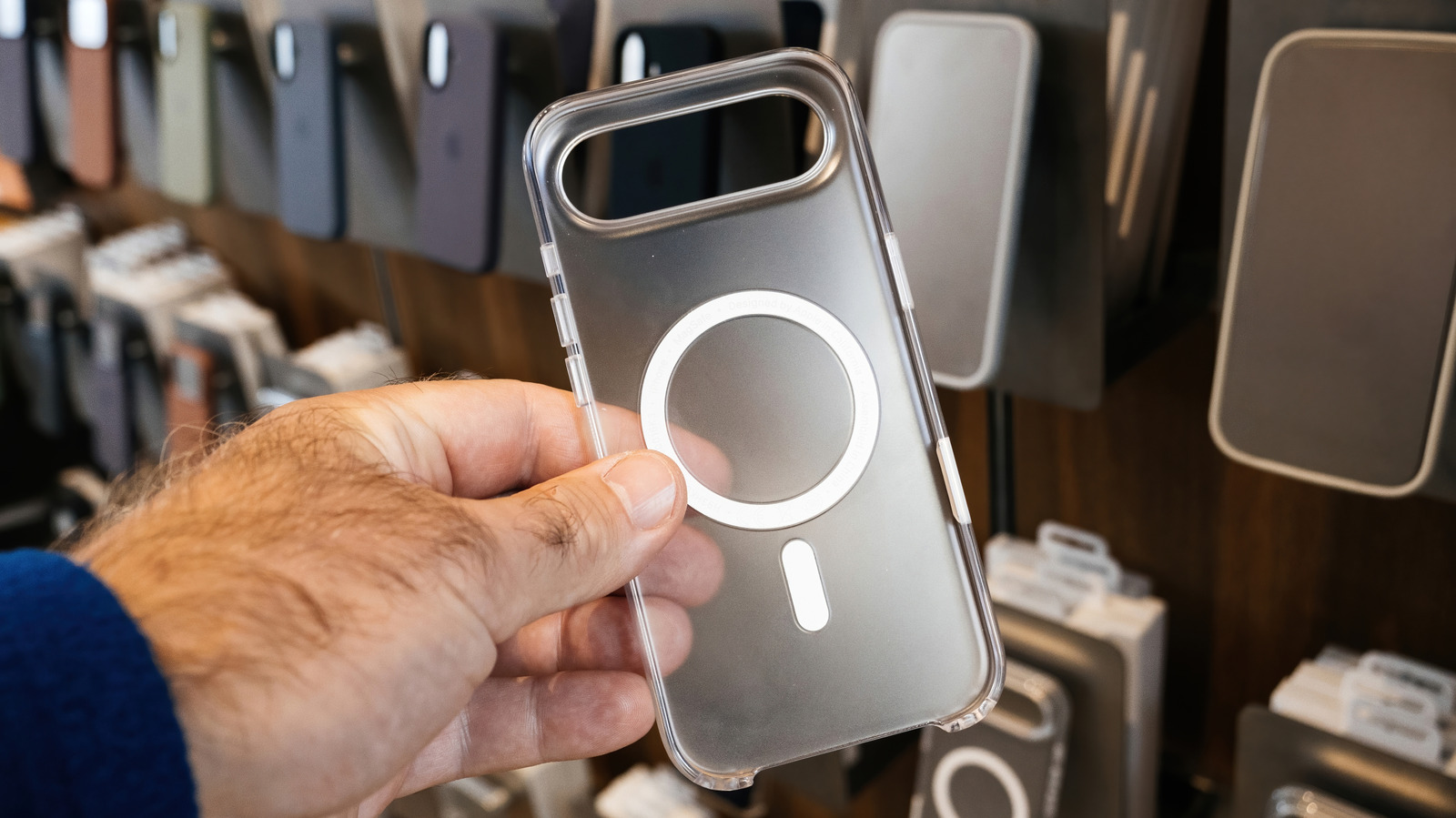
Engadget has published guidance on selecting phone cases that optimise wireless charging performance and mitigate overheating risks. The report highlights that thick cases, metal components, or improperly placed magnets can impede efficiency and trap heat. To facilitate induction charging, users are advised to select thin cases featuring Qi2 magnetic rings or internal cutouts for charging coils. Specific models such as the Spigen MagFit and Speck Presidio 2 are cited as examples of designs that support wireless charging. The article also includes anecdotal accounts of potential device damage and mechanical failures associated with certain accessories.
Wireless charging technology has evolved significantly since its inception. The Palm Pre (2009) was the first device to use a magnetic stand for coil alignment, while the Nokia Lumia 920 (2012) was the first to utilise the Wireless Power Consortium’s Qi standard. The Google Nexus 4 became the first Android phone with out-of-the-box Qi charging. Apple introduced wireless charging with the iPhone 8 (2017) and MagSafe with the iPhone 12. Qi remains the de facto standard, though wireless charging is generally less efficient than wired options, with top speeds currently at 25W for Qi2 or MagSafe compared to 80W or more for proprietary wired chargers.
The inefficiency of wireless charging stems from energy leakage as power passes through the phone’s backplate and the charger casing, generating excess heat. This process is inherently slower than metal-to-metal wired connections. Engadget notes that while the convenience of wireless charging outweighs these drawbacks for many users, understanding the physical limitations is crucial for maintaining performance. The report emphasises that the wrong case can compound these issues by adding unnecessary bulk or obstructing the magnetic alignment required for faster charging speeds.
Specific design flaws can severely impact functionality. Engadget details a user experience involving an OhSnap! Snap Grip accessory on a Samsung Galaxy S25 Ultra, which resulted in potential damage to the device’s water resistance due to overheating. The report also describes a mechanical failure in a case with a retractable magnetic ring when used with a Qi2 car charger, where the ring detached from the case frame during use. These examples illustrate how accessories that claim compatibility can still introduce risks if not properly integrated with the charging ecosystem.
To avoid these pitfalls, Engadget recommends prioritising cases with minimal material interference. The Spigen MagFit is highlighted for its thin TPU plastic backside, while the Speck Presidio 2 features a circular cutout that removes an entire layer of plastic around the charging coils. For devices like the Samsung Galaxy S26 Ultra that lack built-in magnets, a case with a Qi2 magnetic ring is essential to enable MagSafe and Qi2 functionality. The report advises consumers to scrutinise customer reviews and video demonstrations to verify real-world compatibility rather than relying solely on product listings.
