Energizer launches child-safe lithium coin batteries with blue-dye indicator
The Ultimate Child Shield range targets sizes 2032, 2025, and 2016, which are commonly used in watches and tracking devices like AirTags
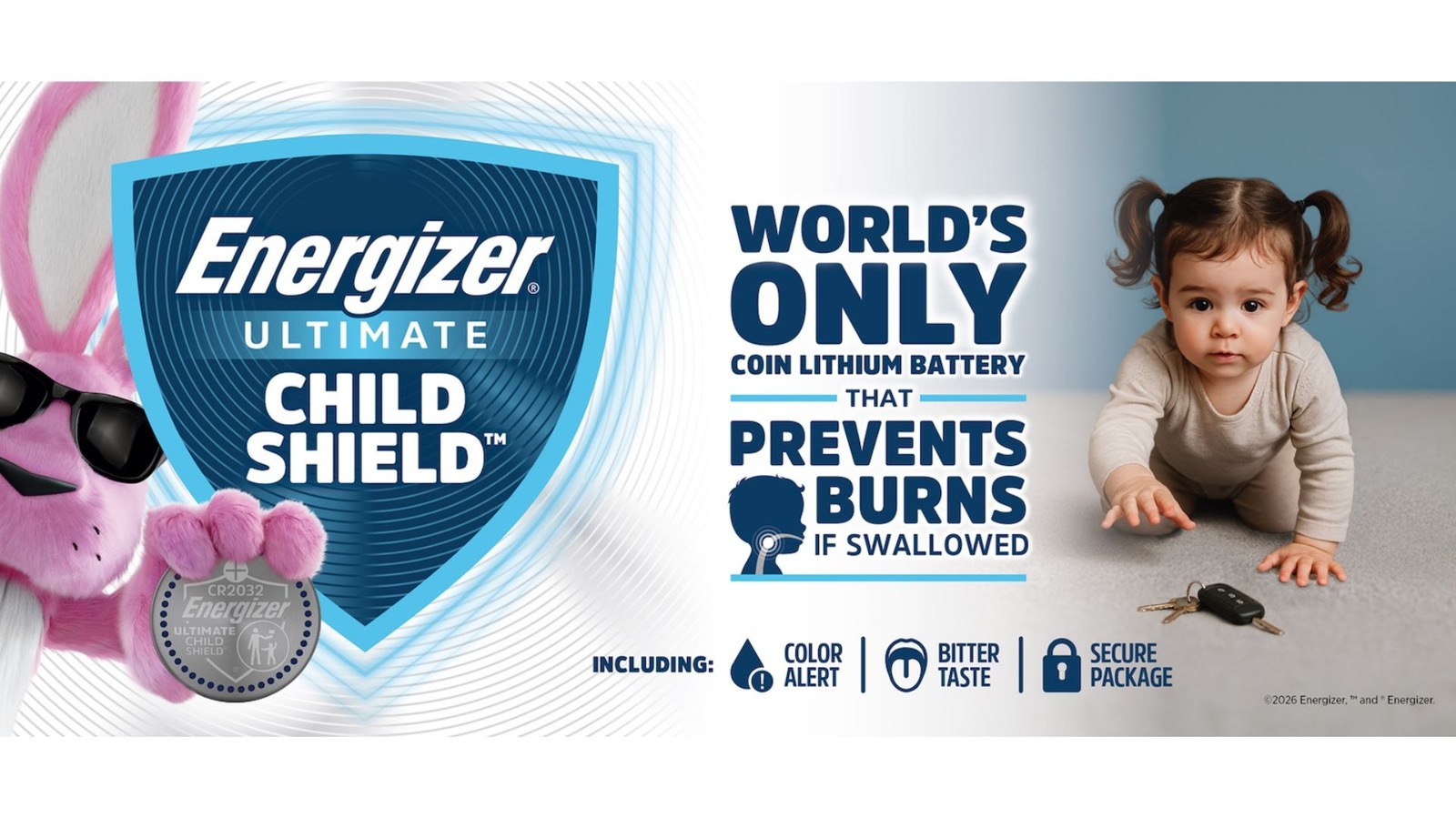
Energizer has introduced the Ultimate Child Shield version of its 20mm coin lithium batteries, a new safety initiative designed to address the severe health risks associated with accidental ingestion. Announced on 6 May 2026, the technology aims to prevent the esophageal burns that can occur within 15 minutes of swallowing a standard coin battery due to an electrochemical reaction generating heat and caustic substances.
The product incorporates a proprietary dye formulation that turns a child's mouth blue upon contact with saliva. This visual indicator serves as an immediate alert to caregivers, prompting them to seek medical assistance quickly. Energizer cites data indicating that more than 3,500 coin lithium battery ingestion incidents are reported in the US annually, highlighting the urgent need for such preventative measures in consumer electronics.
The safety technology is currently available on size 2032, 2025, and 2016 batteries. These specific formats are frequently utilised in small consumer devices, including watches, remote controls, and tracking gadgets such as Apple AirTags. By integrating the child-safe features directly into these common power sources, the manufacturer hopes to reduce the frequency of accidental ingestions in households.
While the new batteries offer a significant reduction in the risk of immediate internal damage, the specific chemical composition of the blue-dye indicator has not been detailed in the available information. Furthermore, it remains unclear whether the dye remains effective if the battery is swallowed and passes through the digestive tract, or if the reaction is strictly limited to the oral cavity.
Despite these innovations, the product does not eliminate the danger of ingestion entirely. The efficacy of the visual indicator in prompting immediate medical intervention in all scenarios, such as when a child is unconscious or unable to communicate, is not explicitly quantified. Consequently, immediate medical attention is still required if swallowing occurs, regardless of the battery type.
The launch represents a notable shift in how coin batteries are engineered, moving beyond simple power delivery to include active safety features. As these devices become ubiquitous in everyday life, the focus on mitigating health risks through design innovation reflects a broader trend in the industry towards greater consumer protection.