Enclayve Launches $129 Hardware Server for Private Social Networking
The new Enclayve unit stores encrypted messages locally on a microSD card, eliminating subscription fees and third-party tracking, though early testing reveals interface limitations and adoption hurdles.
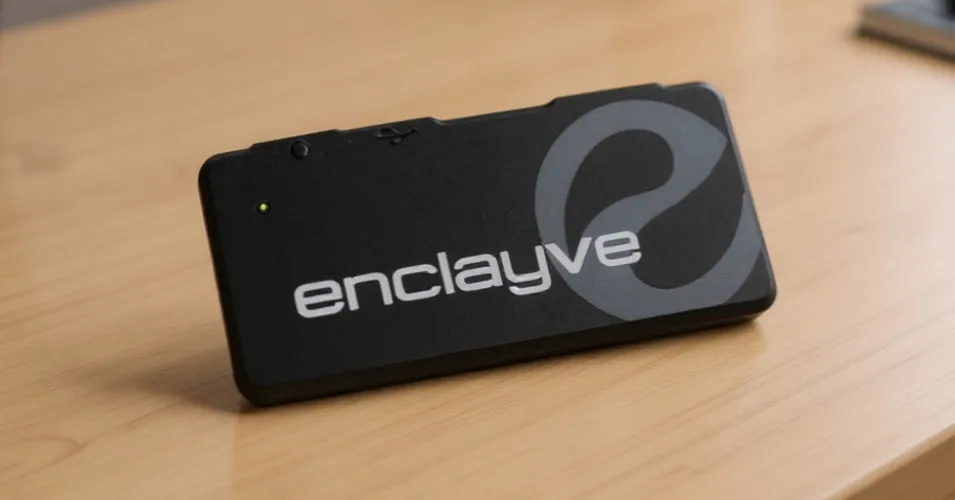
Enclayve has officially launched a physical hardware device designed to function as a private social network server, priced at $129. The rectangular plastic unit, which is smaller than a credit card, connects via Wi-Fi and accommodates up to a few hundred users. By storing all messages and media locally on a 32-GB microSD card, the device ensures that data remains encrypted and accessible only to the owner and invited participants, offering a stark contrast to cloud-based platforms that rely on data aggregation.
The product was developed by CEO David Chura, a former director at Northrop Grumman, who began work on the project in 2020. Chura cited the privacy testimony of Meta CEO Mark Zuckerberg before the US Congress as a catalyst, noting that legislative solutions appeared insufficient to address the scale of data harvesting. Consequently, Enclayve positions itself as a consumer-led rebuttal to major platforms like Facebook and X, providing a space where users can create private groups and share content without subscription costs, advertisements, or in-app purchases.
While the company initially explored versions of the device for cryptocurrency wallets and non-fungible tokens, those initiatives were abandoned following the collapse of the crypto economy. The final product mirrors the functionality of stripped-down group messaging tools, allowing users to organise topics and invite specific individuals. However, the interface is notably basic; early testing on Android revealed limitations such as the inability to send direct messages outside of groups or share multiple photos simultaneously, with some users reporting technical issues regarding share links.
Adoption remains a significant challenge for the service. In initial trials, users reverted to established messaging channels after encountering friction during the onboarding process. Chura has expressed hopes that the device will eventually expand into a peer-to-peer network capable of supporting larger communities, but current iterations require a central device owner to manage access, creating a single point of failure for group connectivity.
The company has also addressed concerns regarding potential misuse for illegal activities. A dedicated section on the Enclayve website acknowledges the risk of bad actors using the platform, stating that while the company cannot monitor encrypted content, it will comply with law enforcement requests. Chura has compared the device’s liability profile to that of a firearm manufacturer, arguing that the technology itself is neutral and that the responsibility for intent lies with the user rather than the provider.
