Elon Musk's Opening Testimony in Musk v. Altman Trial Lacks Focus
In the first day of the Musk v. Altman trial, the plaintiff spent significant time promoting his other ventures and detailing a rift with Larry Page, leaving the jury confused about the firm's structure.
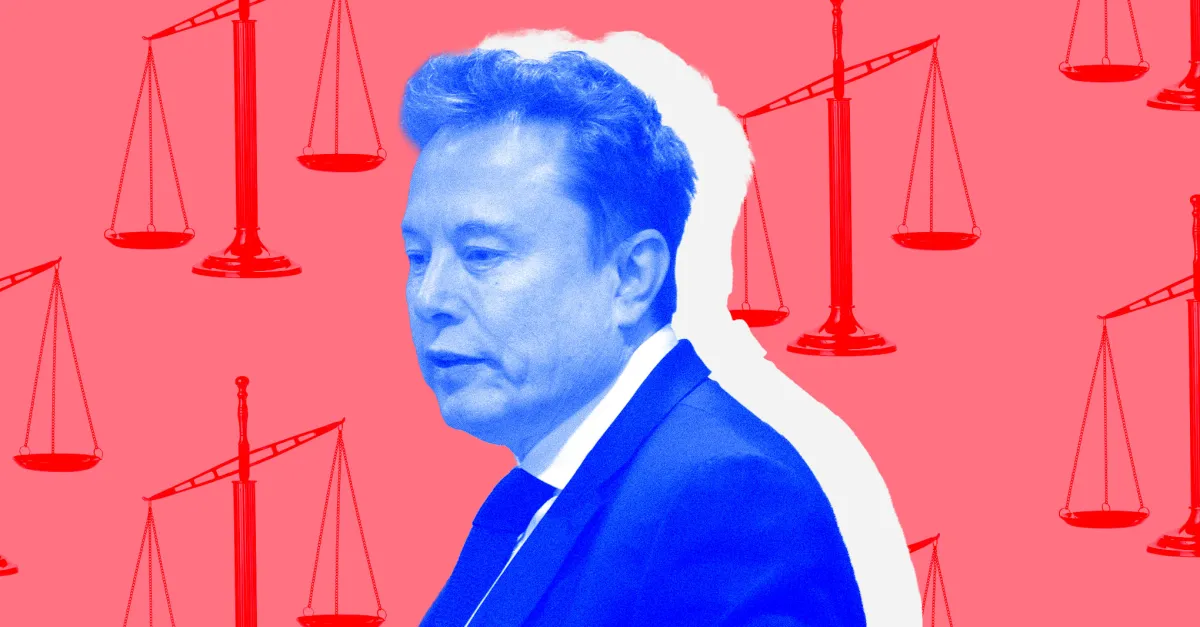
Elon Musk served as the opening witness in his defamation lawsuit against OpenAI CEO Sam Altman, appearing unfocused and unprepared during his direct examination. As the first witness sworn in, Musk spent considerable time recounting his personal biography and promoting his various business ventures rather than directly addressing the core allegations regarding OpenAI's mission drift.
The courtroom reaction to his testimony was mixed, with some observers finding amusement in his claims while the jury appeared puzzled by his descriptions of the artificial intelligence firm's structure and funding. Reports indicate that Musk seemed flat and adrift, a stark contrast to his previous courtroom appearances where he had turned on the charm to secure a not-guilty verdict in a separate defamation suit.
During the proceedings, Musk testified that OpenAI was founded specifically to prevent Google from dominating artificial intelligence. He detailed a specific disagreement with Google co-founder Larry Page over AI safety, claiming that Page refused to speak to him ever again after Musk recruited Ilya Sutskever from Google. This narrative drew on historical context noting that the two tech titans were once considered close allies, with Fortune magazine describing them as secretly best-friend business leaders in 2016.
Musk also stated that he worked between 80 to 100 hours a week to drive the creation of OpenAI and that he chose not to launch it as a for-profit entity initially, despite having the option to do so. He described himself as the driving force behind the project, asserting he came up with the idea, the name, recruited key people, taught them everything he knew, and provided all the initial funding.
However, the discussion regarding funding and equity splits for a potential for-profit arm of OpenAI was described as mushy and potentially distracting from the trial's central question. The core dispute centres on allegations that OpenAI strayed from its original mission, leading to a situation where Musk feels he was misled into making charitable donations.
While the defence aims to tell a clear narrative through direct examination, much of Musk's time was spent hyping up ventures unrelated to the case. The jury seemed to struggle to follow the argument, particularly when Musk defined artificial general intelligence and attempted to explain the role of former board member Shivon Zilis, whom he described as his chief of staff.
