Elon Musk's OpenAI Strategy Was Driven by Fear of Google's Demis Hassabis, Court Documents Reveal
Internal emails and court records indicate Musk characterised Hassabis as "evil" and believed OpenAI faced certain failure without a dramatic shift in resources.
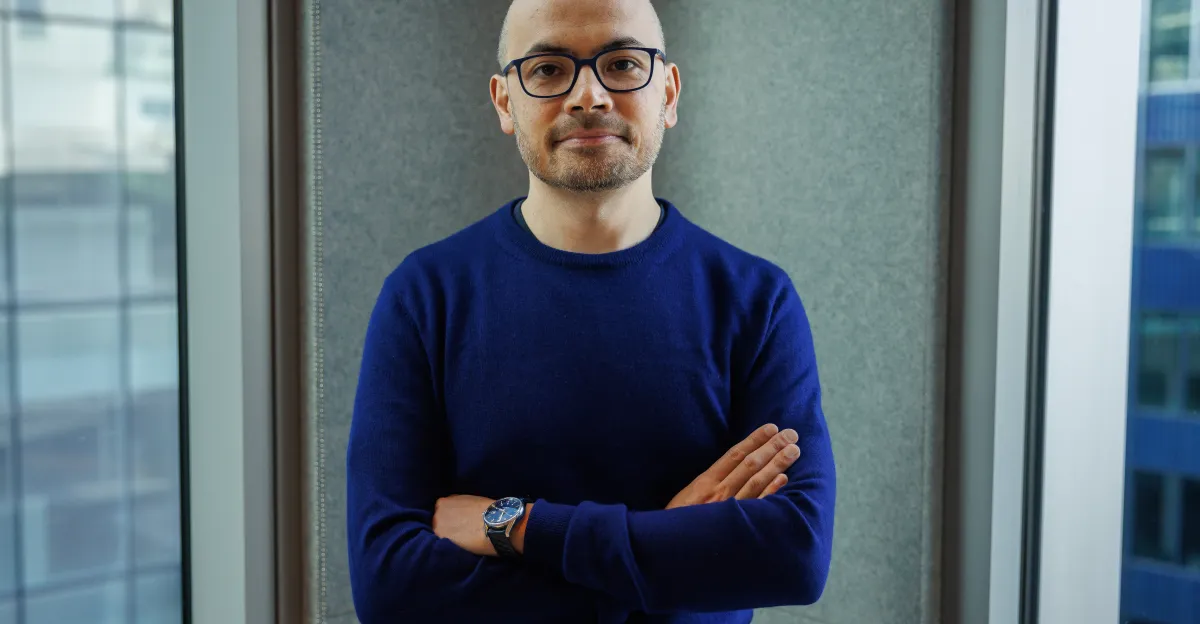
Testimony and court documents emerging from the Musk v. Altman trial indicate that Elon Musk and other senior OpenAI executives were fixated on Demis Hassabis, the chief executive of Google DeepMind. The internal records reveal a profound anxiety among the team that DeepMind would outpace their organisation, driving strategic discussions that included proposals to merge OpenAI with Tesla to secure the capital necessary to compete with Google's scale.
During the proceedings, OpenAI president Greg Brockman confirmed that Musk discussed Hassabis "many, many times" in the early years of the company. Brockman recalled a specific dinner attended by Musk and Sam Altman where the first question Musk raised was whether Hassabis was "evil". This fixation appears to have been a consistent theme, with Musk describing the competitive dynamic as a mismatch between the "Super Bowl" played by Google and the "Puppy Bowl" faced by OpenAI.
The intensity of this rivalry is underscored by an email from 2016 in which Musk warned his colleagues that without immediate and dramatic action, OpenAI faced "certain failure" relative to Google. He argued that the organisation needed to step up its game significantly to avoid having its "ass handed to us". This sentiment was echoed by board member Shivon Zilis, who wrote to Musk in 2018 that slowing Hassabis down was the "only nonnegotiable net good action" available.
Zilis expressed a dire assessment of the situation, stating that the probability of OpenAI remaining relevant to DeepMind without a dramatic change was "0%". She described the likelihood of a good future as very low if someone did not intervene to "slow Demis down". Musk reportedly considered folding OpenAI into Tesla to access billions in cash flow, aiming to build hardware capable of keeping Google "honest" and challenging its dominance in the artificial intelligence sector.
The historical context of this conflict dates back to 2010 when Hassabis founded DeepMind, which he sold to Google in 2014 for between $400 million and $650 million. OpenAI was founded partly in opposition to Google, inspired by a conversation with Larry Page regarding the dangers of artificial intelligence. In 2016, Hassabis publicly disagreed with Musk's push for open-sourcing AI, warning it was "very dangerous" and not a panacea, a stance that reportedly heightened tensions between the two camps.
Co-founders Ilya Sutskever and Andrej Karpathy were also concerned about Musk's control over the company, using Google's structure as a cautionary tale against creating a potential "dictator" scenario. Despite these internal warnings, the fear of Google's scale persisted, leading to a spiral of urgency where Musk eventually doubted his ability to serve as an effective counterweight to Hassabis without a merger.
