Elon Musk testifies in OpenAI lawsuit, claims he was misled on for-profit structure
Musk alleges OpenAI abandoned its mission to benefit humanity for profit, seeking the removal of leadership and up to $150 billion in damages.
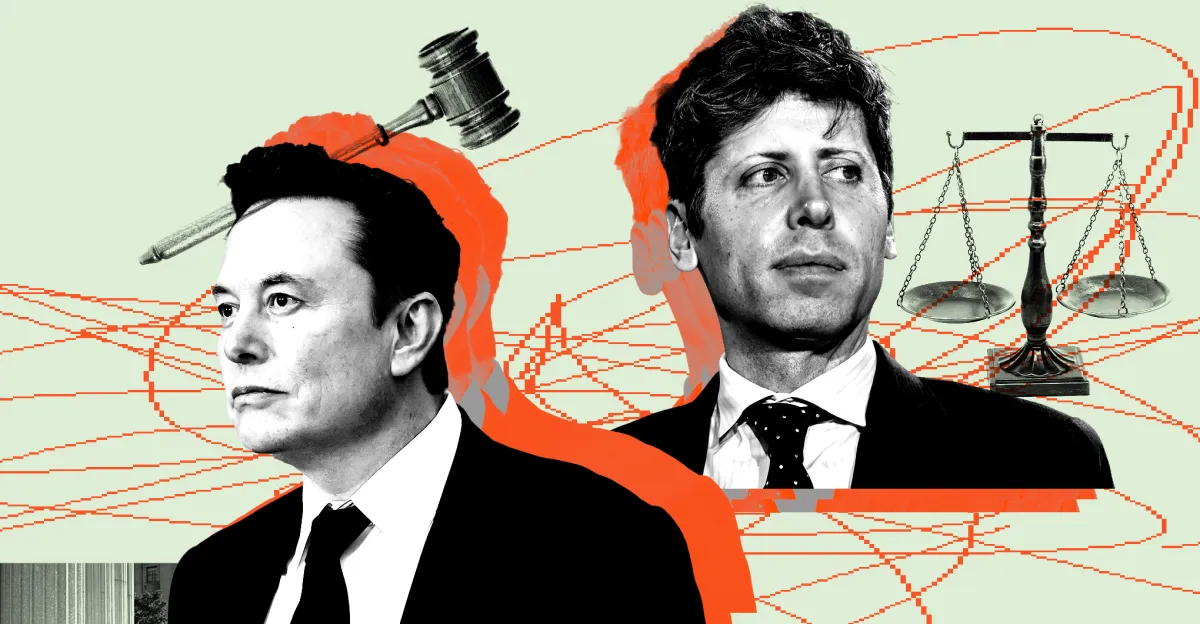
Elon Musk has taken the stand as the first witness in his legal battle against OpenAI co-founder Sam Altman and the organisation itself. The trial, which commenced with jury selection on 27 April, centres on allegations that OpenAI abandoned its founding mission to benefit humanity in favour of profit. Musk is seeking the removal of Altman and co-founder Greg Brockman, demanding that OpenAI cease operating as a public benefit corporation, and requesting up to $150 billion in damages.
During his testimony, Musk claimed he was tricked into funding the company and accused Altman and Brockman of derailing the organisation's original goals. He stated he did not read the fine print on OpenAI's for-profit term sheet and denied recruiting key staff from OpenAI for his other companies, though emails suggest otherwise. OpenAI's counsel, William Savitt, challenged Musk's credibility by highlighting his for-profit ventures, including xAI and Tesla, and questioning his commitment to AI safety.
The legal proceedings have seen significant tension regarding the scope of safety-related inquiries. The court is currently managing pretrial motions regarding the scope of safety questions, with the judge indicating that issues of catastrophe or extinction may be restricted, a move Musk's legal team opposes. This restriction follows a period where the judge asked Musk to clarify whether his comments on an AI-enabled robot army referred to a military sense, to which Musk responded that he was concerned about safety rather than weapons.
Musk admitted to telling Altman in 2020 that OpenAI looked hypocritical following its deal with Microsoft and suggested changing the company's name, though he claimed Altman reassured him they were staying on mission. He reiterated that Tesla is not currently working on artificial general intelligence despite recent statements, and denied building an AI-enabled robot army in a military sense, clarifying his comments referred to safety concerns regarding autonomous robots rather than weapons.
OpenAI has responded by characterising the lawsuit as a baseless and jealous bid to derail a competitor intended to boost Musk's own for-profit ventures, including SpaceX, xAI, and X. Musk's companies, including xAI, which launched the Grok model, and Tesla, are positioned as direct competitors to OpenAI's ChatGPT. The trial involves significant legal strategy regarding whether Musk's own for-profit AI projects undermine his credibility on claims that profit motives compromise AI safety.
As the trial continues with motions regarding safety questions and expert testimony, the focus remains on the conflicting narratives surrounding the governance and financial structure of OpenAI. The outcome of this case could alter the future of the organisation and its most well-known product, ChatGPT, while setting a precedent for how public benefit corporations navigate the transition to for-profit models in the artificial intelligence sector.
