Elon Musk testifies in landmark trial against OpenAI, admits xAI uses rival's models
In the first week of proceedings in Oakland, Musk alleges deception by OpenAI leaders Sam Altman and Greg Brockman, warning of existential AI risks as the jury weighs conflicting narratives on safety and competition.
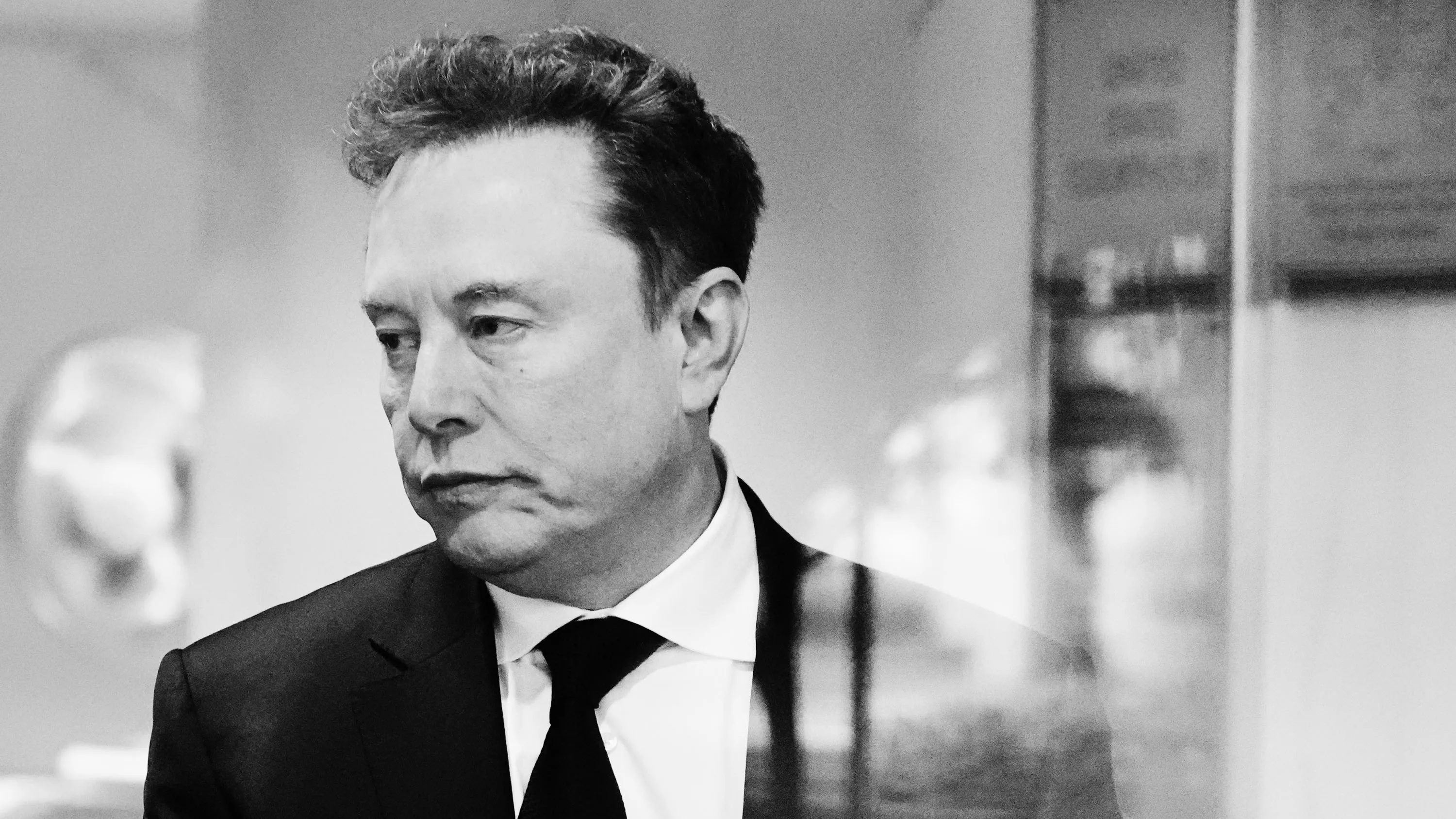
Elon Musk took the stand in the federal courthouse in Oakland, California, to testify in the first week of his landmark trial against OpenAI. The former co-founder argued that current CEO Sam Altman and President Greg Brockman deceived him into providing $38 million in funding under the false pretence of a non-profit mission dedicated to AI safety. During his direct examination, Musk described a three-phase evolution in his relationship with the company, moving from initial enthusiasm to growing distrust, and finally to a belief that the organisation was looting the non-profit entity.
Musk told the jury he was a fool for providing free funding that allowed OpenAI to grow into an $800 billion company. He explained that his original intention was to create a counterbalance to Google, warning the court of a worst-case scenario where artificial intelligence destroys humanity. However, the catalyst for his loss of trust was revealed to be a $10 billion investment from Microsoft. Musk interpreted this move as a bait and switch, suggesting it indicated a shift toward prioritising profit over safety, which led him to file the lawsuit in 2024 seeking to remove Altman and Brockman from their roles.
The testimony took a significant turn when Musk admitted that his company, xAI, distils OpenAI's models to train its own chatbot, Grok. This confession caused audible gasps in the courtroom, as distillation is a technique where a smaller AI model is trained to mimic the behaviour of larger, more capable models. While Musk argued that using other AIs to validate one's own is standard practice, OpenAI's lawyer William Savitt countered that this admission undermined Musk's claim that xAI is not a real competitor.
Savitt, who once represented Musk and his electric-car company Tesla, argued that the lawsuit was driven by a desire to undermine a competitor rather than protect AI safety. The lawyer presented emails from 2017 where Musk discussed hiring OpenAI employees, specifically Andrej Karpathy, for Tesla and Neuralink. Savitt framed these actions as evidence that Musk had never been committed to keeping OpenAI a non-profit, noting that Musk's other ventures are socially beneficial for-profit companies similar to OpenAI.
The trial has drawn significant public interest, with protesters lining the streets outside the courthouse urging people to quit ChatGPT or boycott Tesla. Inside, the proceedings were marked by a heated debate between the legal teams regarding who is the true guardian of AI safety. Judge Yvonne Gonzalez Rogers intervened when the lawyers began talking over each other, stating that the trial is not about whether artificial intelligence has damaged humanity, but rather the corporate structure and motivations behind the suit.
As the first week concludes, the outcome of the trial could upend OpenAI's race toward an initial public offering at a valuation approaching $1 trillion. Meanwhile, xAI is expected to go public as part of Musk's rocket company SpaceX as early as June, with a target valuation of $1.75 trillion. Next week, computer scientist Stuart Russell from UC Berkeley is scheduled to testify about AI safety, while Brockman will also take the stand to address the allegations made against him.
