Elon Musk sought to recruit OpenAI founders for Tesla AI unit in 2018, trial evidence shows
During a high-stakes legal battle in Oakland, documents and witness accounts emerged detailing Musk's efforts to convert OpenAI into a Tesla subsidiary or appoint Sam Altman to the board, a proposal rejected by the founders over concerns regarding his grasp of artificial general intelligence.
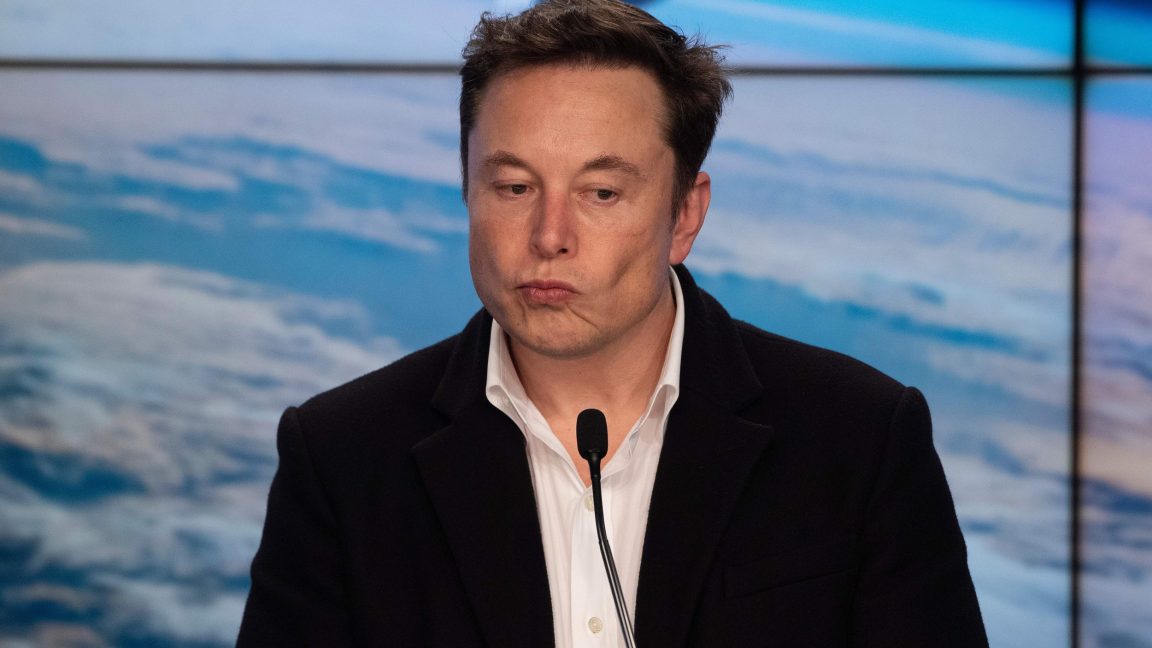
Evidence presented at a high-stakes trial in Oakland has revealed that Elon Musk attempted to recruit the founding team of OpenAI to lead a new artificial intelligence laboratory within Tesla. The disclosures, which emerged during proceedings where Musk sued the company for unjust enrichment, date back to late 2017 and early 2018.
During this period, Musk proposed appointing Sam Altman to the board or converting OpenAI into a Tesla subsidiary. However, these recruitment efforts were contingent on Musk retaining unilateral control of the organisation. The OpenAI founders, including Greg Brockman and Ilya Sutskever, rejected these proposals.
Testimony from Shivon Zilis, a former OpenAI adviser and Musk's partner, indicated that by late 2017, Musk had lost confidence in the non-profit OpenAI's ability to build artificial general intelligence. Emails and texts showed Musk was actively exploring the creation of his own AI lab within Tesla as early as that time. Zilis had sketched plans for an event in late 2017 to announce Tesla's intent to build a world-leading AI lab rivaling Google and DeepMind.
In February 2018, Zilis reported to Musk's chief of staff that the OpenAI founders believed Musk had not done his homework on AI and AGI, a concern that influenced their decision not to work with him. Following the rejection of his proposals, Musk left OpenAI's board in early 2018.
OpenAI subsequently restructured as a for-profit entity with a charitable arm, a move Musk claims resulted in unjust enrichment by the founders. William Savitt, OpenAI's lead attorney, stated that Musk was prepared to accept the for-profit structure provided he would get control, but he walked away when he could not secure unilateral governance.
Greg Brockman, OpenAI's president, told the jury that Musk was seeking unilateral control over AGI, a condition the founders could not accept. The trial continues as the court considers the implications of these historical events on the current dispute between the two parties.
