Elon Musk faces credibility challenges during opening testimony in OpenAI trial
Judge Yvonne Gonzalez Rogers allows discussions on Musk's political ties and substance use, ruling they are relevant to bias and credibility in the dispute over OpenAI's future structure.
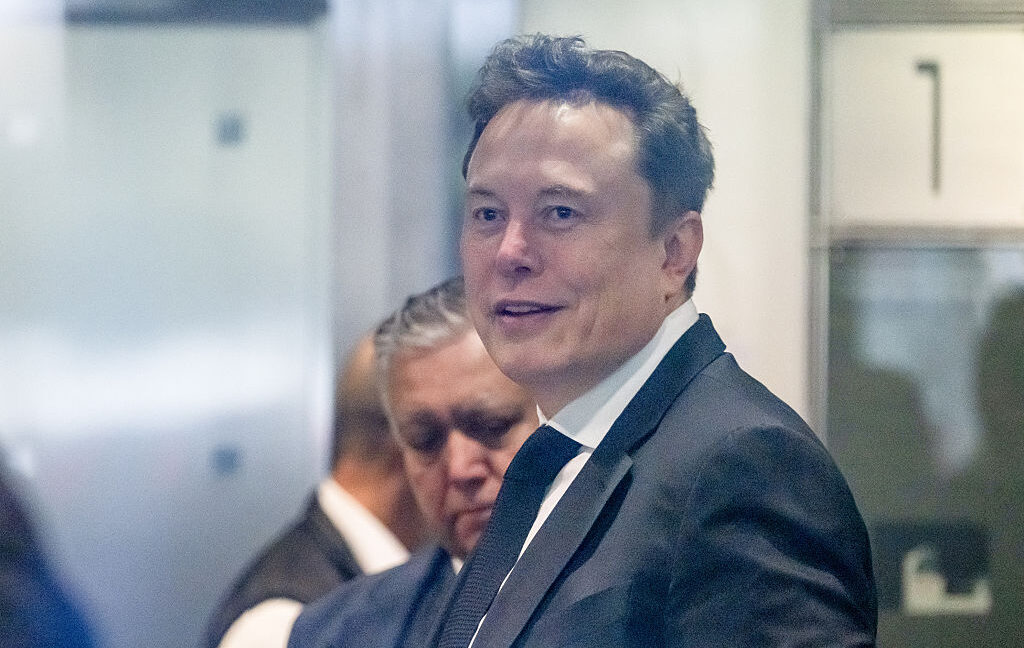
Elon Musk has concluded his three-day testimony as the opening witness in his lawsuit against OpenAI, alleging that the company has abandoned its nonprofit mission. The trial, presided over by Judge Yvonne Gonzalez Rogers, centres on whether the entity should remain a nonprofit or proceed with an initial public offering scheduled for later in 2026. During his appearance, Musk argued that OpenAI executives stole a charity by accepting donations while intending to enrich themselves rather than benefit humanity.
OpenAI lawyer William Savitt conducted the cross-examination, presenting seven significant credibility challenges to the billionaire's account. Savitt successfully introduced evidence that contradicted Musk's earlier claims, including instances where Musk made concessions against his own counsel's objections. One notable admission involved Musk stating he did not know what OpenAI's "safety cards" are, despite his own firm, xAI, issuing similar safety documentation for its Grok model.
The proceedings became contentious when Musk was confronted with inconsistencies regarding his reading of a 2018 email outlining a proposed corporate structure. While he previously claimed he never loses his temper or yells at people, Musk raised his voice and yelled during this exchange, effectively undermining his own testimony. He insisted he had only read the headline of the document rather than the fine print, a display of frustration that the jury observed.
Judge Yvonne Gonzalez Rogers ruled that discussions regarding Musk's ties to Donald Trump and his ketamine use at Burning Man are relevant to his bias and credibility. This decision came over objections from Musk's legal team, who argued that his political activity and personal conduct were irrelevant to the action. The judge allowed these topics to be explored in closed session, noting that Musk's state of mind and activities are squarely at issue regarding his credibility.
Savitt also highlighted the safety record of xAI, including reports of Grok generating child sex abuse materials, to challenge Musk's reputation as an AI safety advocate. The lawyer argued that Musk's grandiose proclamations on safety require cross-examination, particularly given that he founded xAI as a for-profit entity. This evidence has been used to question whether Musk's concerns about OpenAI's structure are rooted in competitive jealousy rather than genuine altruism.
As the trial continues, the focus remains on the potential outcome for OpenAI's governance. While Musk's legal team has attempted to present him as a passionate advocate who was conned by the current leadership, the testimony has painted a picture of a witness whose credibility has been significantly damaged by contradictory statements and emotional outbursts. The final decision on the company's status will be made by the judge, with the jury's opinion in the first phase considered advisory.
