Elon Musk Cross-Examined on OpenAI Funding Dispute and Staff Recruitment Tactics
Legal evidence presented includes emails showing withheld funds and text messages detailing recruitment strategies, as the court considers claims of a 2017 power struggle.
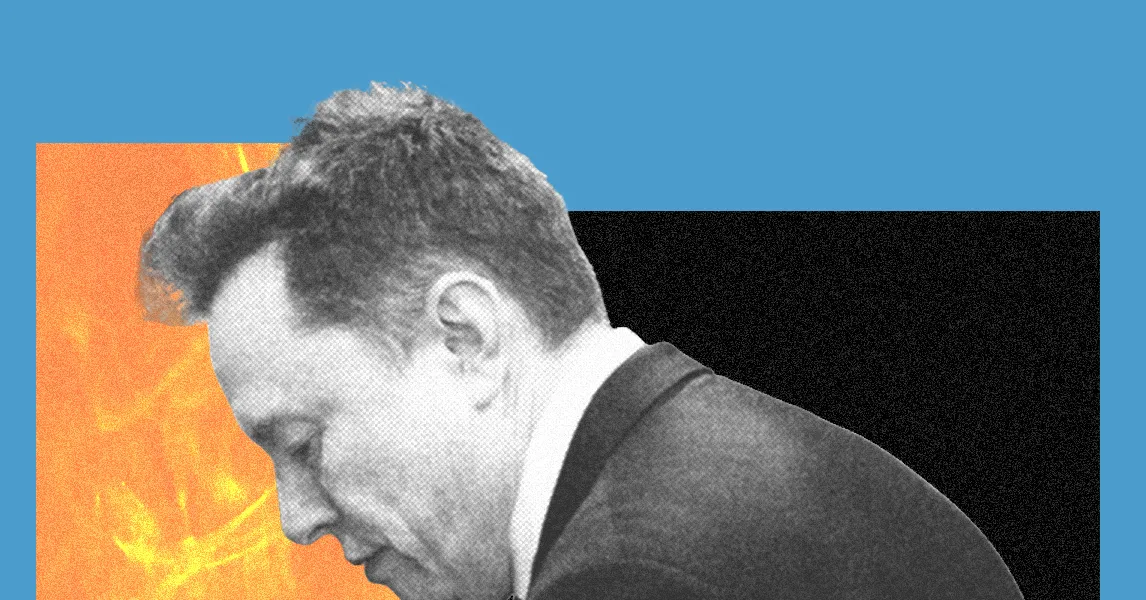
The third day of the Musk v. Altman trial has focused intensely on Elon Musk's conduct during a 2017 internal power struggle at OpenAI. Under cross-examination by the organisation's legal team, Musk faced scrutiny over allegations that he attempted to undermine the entity while remaining a board member. The proceedings have centred on specific actions taken in spring 2017, including the cessation of financial support and aggressive efforts to recruit key personnel for his other ventures.
Emails presented as evidence indicate that Musk halted quarterly funding payments of $5 million to OpenAI during spring 2017, despite a prior commitment of $1 billion to the organisation. This withholding of funds occurred while Musk was still a board member and the primary source of capital for the company. Correspondence from August 2017 confirms the instruction to continue this course of action, with Musk's family office head, Jared Birchall, explicitly asking if the funds should be withheld and receiving a simple affirmative response.
The trial also examined Musk's active recruitment of OpenAI researchers for Tesla and Neuralink while he retained his board position. Musk admitted to encouraging Neuralink to hire staff from OpenAI and stated he told executive Shivon Zillis that Tesla and Neuralink would actively try to move three or four people from the organisation. When discussing the recruitment of researcher Andrej Karpathy to Tesla, Musk remarked that the OpenAI team would want to kill him for the move, though he maintained the action was necessary.
During the questioning, Musk argued that restricting employment would be illegal, asserting that he could not prevent Tesla or Neuralink from hiring OpenAI staff. He claimed it would be unlawful to establish a cabal that stops people from working at the company they wish to join. However, the legal team pressed on the timing and intent behind these moves, highlighting that Musk had written to a Tesla vice president shortly after losing the board power struggle to confirm Karpathy's acceptance as a director of Tesla Vision.
The courtroom atmosphere remained tense throughout the session, with Judge Yvonne Gonzalez Rogers reprimanding a gallery member for photographing Musk. OpenAI co-founder Greg Brockman observed the proceedings from the gallery, noted to be giving a cold stare to the witness. Musk appeared visibly frustrated at times, frequently pausing to tell the lawyer, William Savitt, that he viewed the questions as misleading or that he did not recall key details of the organisation's history.
As the day concluded, the focus shifted to upcoming testimony. Jared Birchall and Greg Brockman are expected to give evidence in the coming days, which will further illuminate the trajectory of OpenAI during the period in question. The trial continues to assess the validity of claims regarding the 2017 negotiations, where Musk had initially sought control of four board seats versus three for the cofounders, a proposal rejected by researcher Ilya Sutskever due to fears of excessive power concentration.
