Elias 2-24 b confirmed as youngest known planet
The Jupiter-mass exoplanet is less than one million years old and orbits its star within a gap in a dusty natal disc.
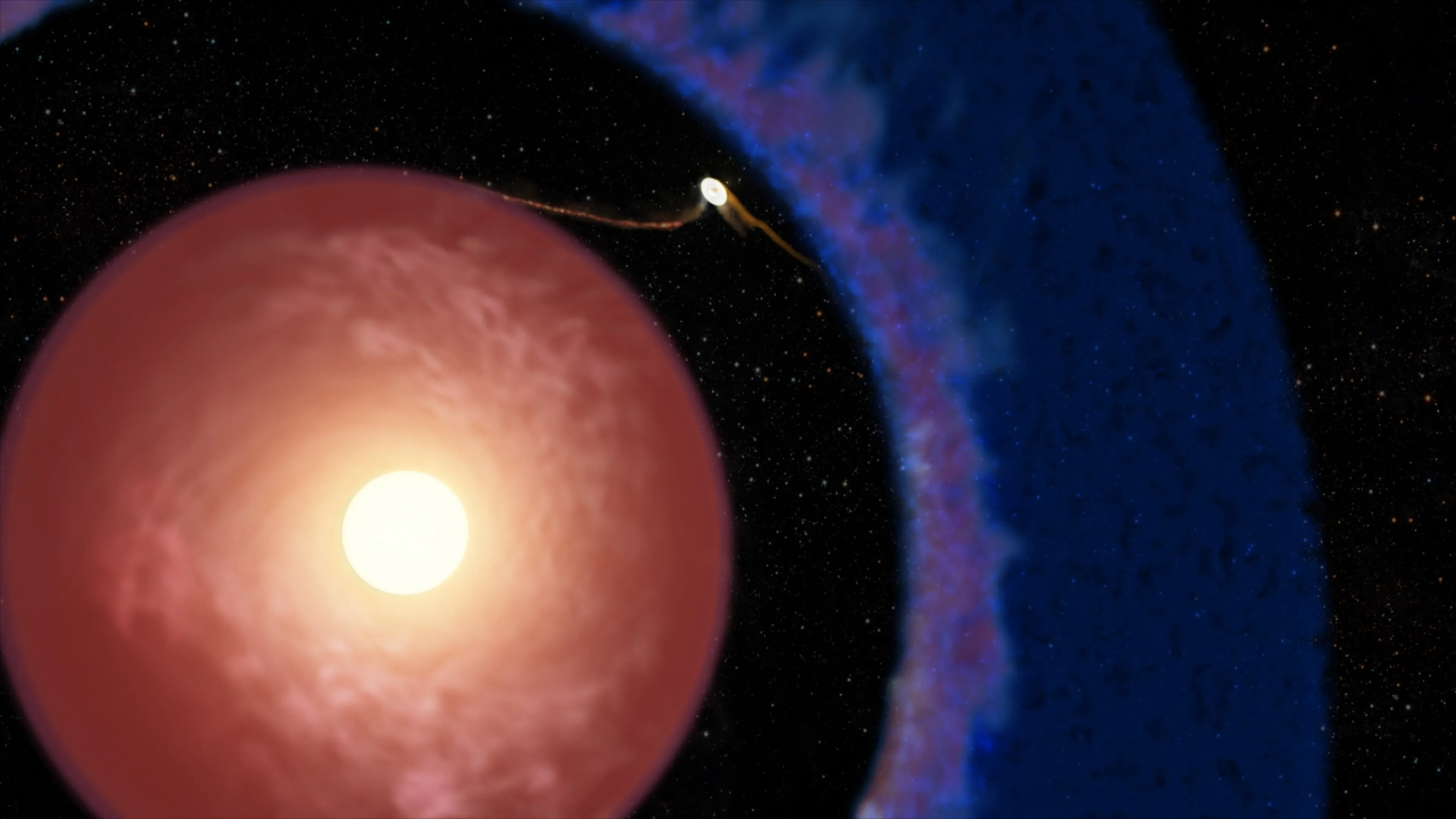
Astronomers have confirmed Elias 2-24 b, a planet about as massive as Jupiter that is less than one million years old. The study identifies it as the youngest known planet, orbiting the star Elias 2-24 about 450 light-years from Earth.
The planet lies within a gap in its star’s dusty disc, roughly 55 times farther from Elias 2-24 than Earth is from the Sun. Such gaps can indicate where forming planets are clearing paths through the material surrounding a young star.
The finding, reported in The Astrophysical Journal Letters, resolves a decade-old question. Observations from the Atacama Large Millimeter/submillimeter Array first revealed the disc gap, while the European Southern Observatory’s Very Large Telescope later detected a faint point of light within it.
Researchers examined archival observations made with the W. M. Keck Observatory’s coronagraph in 2018 and 2020. By combining the observations to track the object’s movement, they found it behaved more like a planet than an imaging defect or background star.
The result challenges existing models of giant-planet formation, which have difficulty explaining how a Jupiter-sized planet could form so early and so far from its star. Most of the approximately 6,000 confirmed exoplanets are billions of years old and orbit much closer to their stars.
NASA’s Nancy Grace Roman Space Telescope is expected to make similar discoveries easier with a more powerful coronagraph. Astronomers say finding more young planets could help refine models of how planetary systems develop.