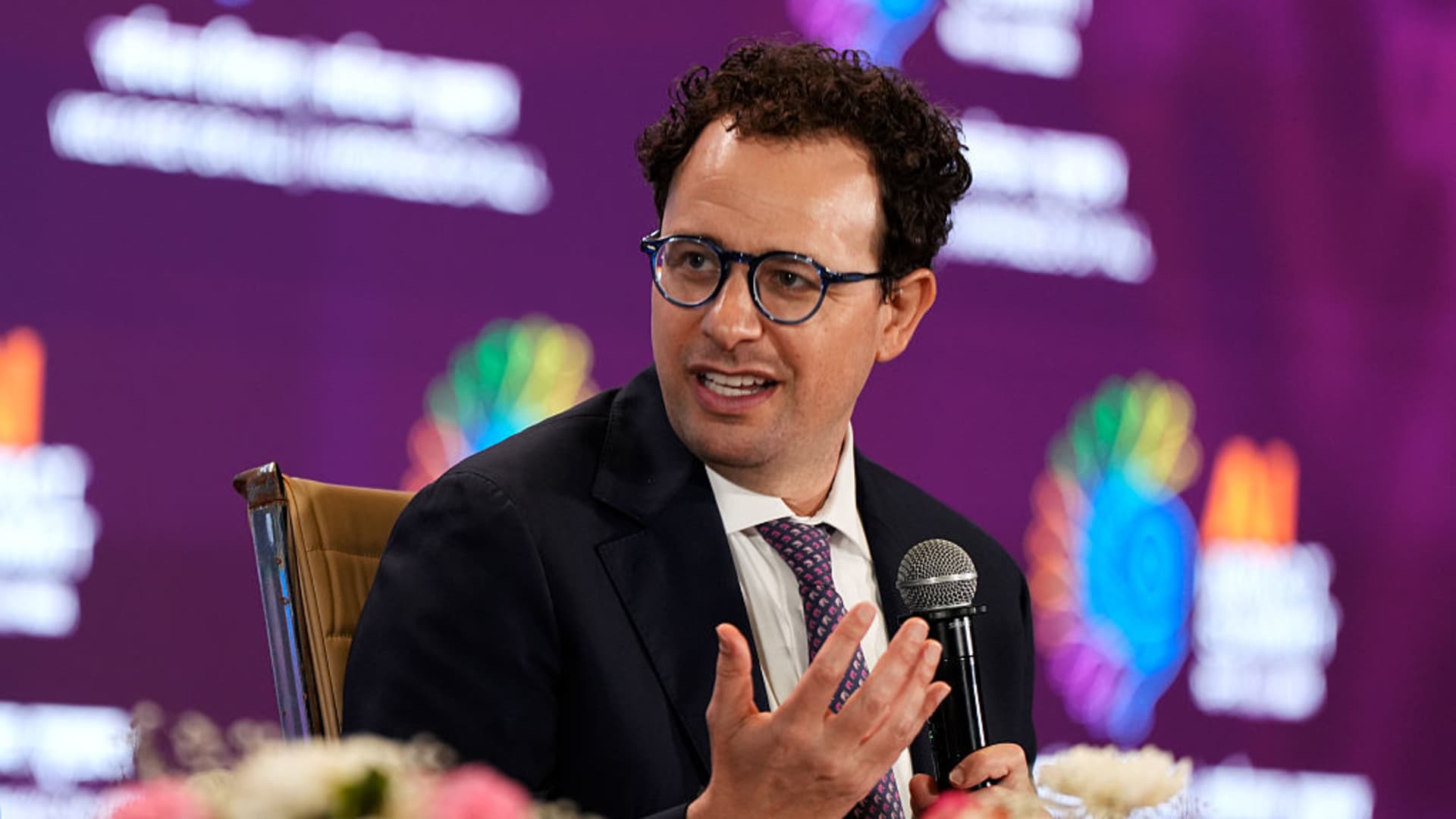
Eisman flags concentration risk in AI boom as reliance on OpenAI and Anthropic grows
Steve Eisman warns that the artificial intelligence sector faces a potential Achilles' heel, with industry fortunes increasingly tied to just two firms.

'Big Short' investor Steve Eisman has issued a stark warning regarding the structural vulnerabilities within the artificial intelligence sector, suggesting the industry's rapid expansion is becoming dangerously concentrated. According to a report published by CNBC on 13 August 2026, Eisman identified OpenAI and Anthropic as the primary pillars supporting the current AI boom, noting that the broader market's success is increasingly dependent on the fortunes of these two specific entities.
The assessment highlights a significant concentration risk within the technology landscape. Eisman’s commentary points to a potential Achilles' heel in the sector, implying that the stability and growth trajectory of the wider AI industry may be disproportionately linked to the performance and strategic decisions of OpenAI and Anthropic. This perspective frames the current market enthusiasm against a backdrop of underlying fragility tied to a narrow group of developers.
This warning comes amidst a period of intense user growth across the broader artificial intelligence market. Contextual reporting from The Verge and TechCrunch published on 11 August 2026 indicates that Google's Gemini app has reached one billion monthly active users. The surge in adoption for major platforms like Gemini, alongside the continued prominence of ChatGPT and Claude, underscores the scale of the current AI revolution.
However, Eisman’s analysis suggests that despite the widespread adoption of various tools and the entry of major tech giants like Google into the fray, the core momentum of the boom remains tightly coupled to OpenAI and Anthropic. The investor’s view serves as a cautionary note for stakeholders, highlighting that the sector's health may be more susceptible to shocks affecting these two firms than the sheer volume of users might suggest.
As the AI sector continues to evolve, the interplay between established tech conglomerates and specialized AI developers remains a critical area of focus for investors. Eisman’s identification of this dependency underscores the need for careful monitoring of market dynamics, particularly as the industry navigates the transition from rapid user acquisition to sustained commercial viability.