Eddie Hearn signs Henry Pollock to bridge rugby's visibility gap with football
Industry figures argue that new investments and a reorganised calendar are finally creating the conditions necessary for rugby to cultivate global superstars comparable to footballing icons.
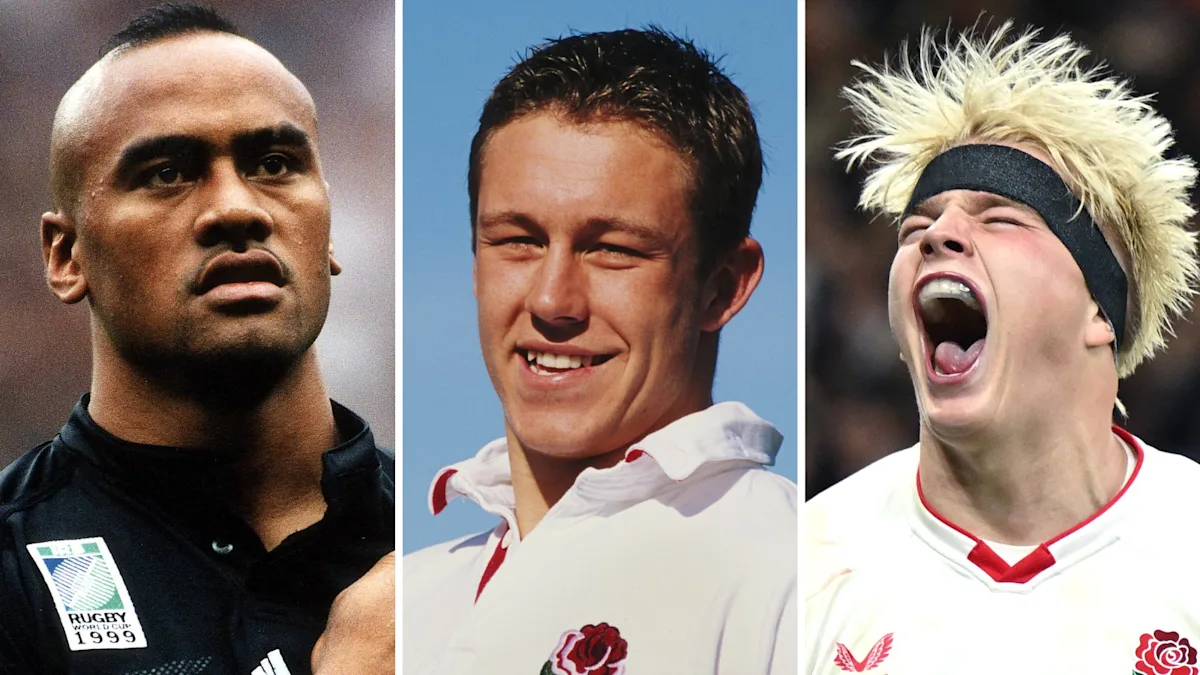
Eddie Hearn's talent agency has signed England rugby player Henry Pollock with the explicit aim of boosting his mainstream visibility and establishing him as a crossover star for the sport. Hearn, described as boxing's Barnum-style promoter, stated his intention to ensure Pollock appears across all mainstream media, joking that fans might eventually be bored of him. This strategic move mirrors previous attempts by agencies like Roc Nation to replicate footballing success in rugby.
YouGov research indicates Pollock's public recognition stands at 37%, placing him joint-second among current players but significantly behind footballer Jude Bellingham, whose recognition figure is 71%. Hearn has also signed Bath playmaker Finn Russell, citing the belief that rugby undervalues its individuals compared to football stars like Lamine Yamal. The agency seeks to close this gap by leveraging Pollock's status as a digital native with a history of viral social media moments that resonate with younger audiences.
Chris Thompson, founder of We Know Rugby, notes that while international and club rugby remain distinct products, new investments and a reorganised calendar are creating better conditions for star-building. Thompson highlighted that Red Bull has bought Newcastle, Sir James Dyson has become a co-owner of Bath, and an offer is on the table from a US investor group for Exeter. Additionally, a reorganised international calendar featuring the Nations Championship aims to weave a narrative that tempts in more casual fans.
Pollock's profile is being leveraged through his expressive personality, which includes viral moments such as TikTok dancing, sock-pulling, and gurning at the haka. His fame has been supercharged by these authentic displays of enjoyment, contrasting with the traditional reserve often expected in the sport. Thompson observed that the response from fans to Pollock has been genuinely positive, noting that no one is telling him not to express himself as long as his performance remains at a high level.
Historical rugby stars like Jonah Lomu and Jonny Wilkinson have previously cut through to mainstream fame, yet the industry has struggled to consistently forge such figureheads. Hearn's approach promises extensive media coverage to replicate the trajectory of footballers, who often enjoy year-round publicity that rugby players have historically lacked. The goal is to accelerate fame at a pace quicker than any other period in the lifetime of the sport.
As part of a generation of digital natives, Pollock has demonstrated an instinctive understanding of social media, connecting with online audiences through self-mocking content and viral clips. This shift in culture, combined with improved commercial structures, suggests that the platforms are now available to allow players to express their individuality away from the pinnacle events. Thompson believes there will absolutely be more stars in rugby as these conditions align.