Economist says falling property prices signal shift from investment to human need
Data from Cotality shows Sydney and Melbourne prices have dipped from peaks, while national growth stalls for the first time since early 2023
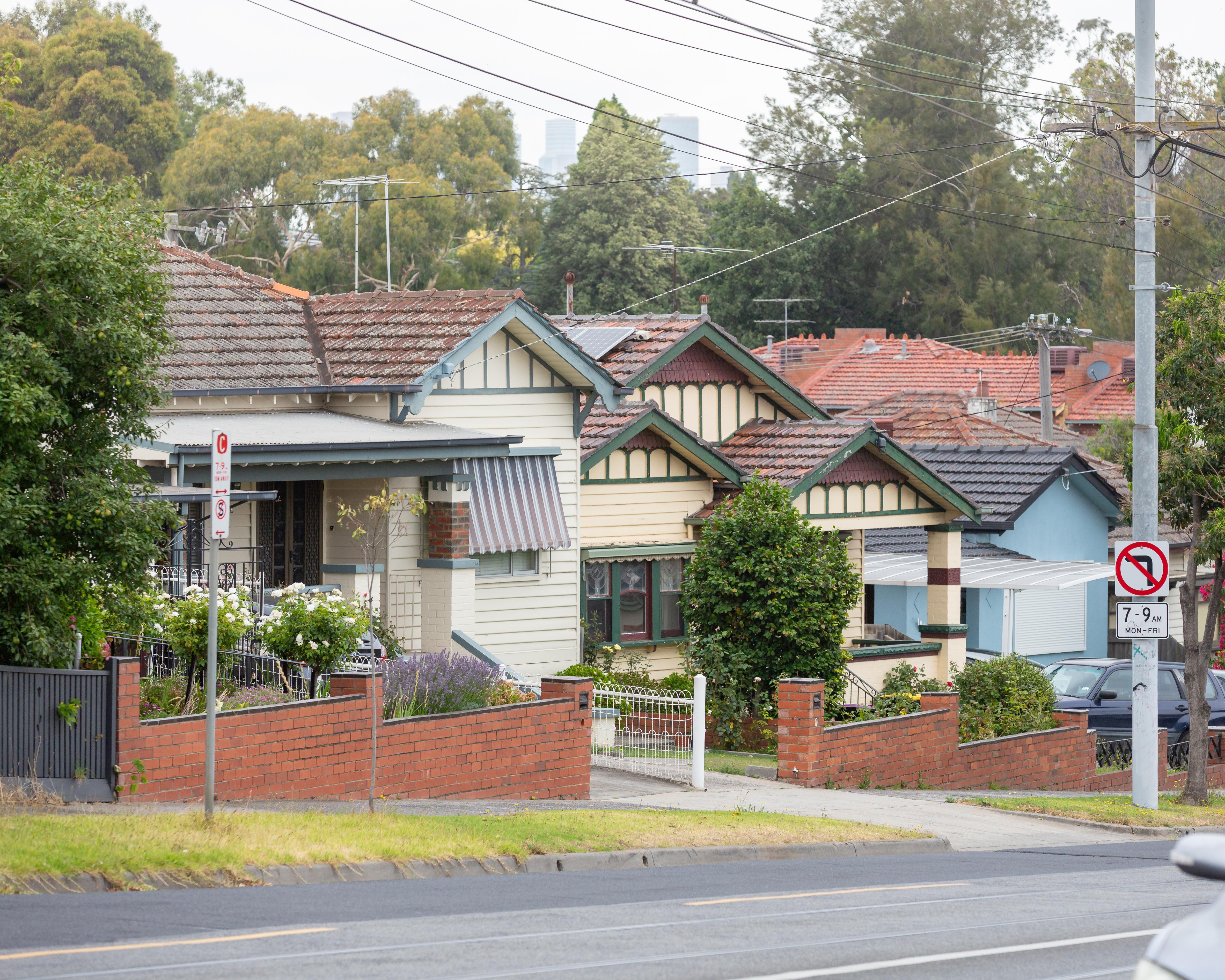
House prices in Sydney and Melbourne have fallen by 3.1 per cent and 3.5 per cent respectively from their recent peaks, according to data from Cotality. Nationally, property values did not rise last month, marking the first instance of flat growth since January 2023. The annual rate of house price inflation has also cooled, dropping to 9.5 per cent from a peak of 10.9 per cent recorded in the year to February.
Saul Eslake, an independent consulting economist and vice-chancellor’s fellow at the University of Tasmania, argues that these declines are beneficial if housing is treated as a basic human need rather than an investment vehicle. He contends that the current market correction is primarily the result of three interest rate increases earlier this year and expectations of further hikes, rather than the Labor government’s recent budget changes.
Eslake notes that the budget measures, which target negative gearing and capital gains tax concessions, are not responsible for the immediate dip in prices. However, he argues that if passed by parliament, these reforms will reduce investor demand for established housing. This reduction in competition is expected to assist aspiring first-home buyers who currently face pressure from investors able to write off interest costs against other taxable income.
The economist highlights a historical shift in how Australians view property. Following the second world war, housing was largely seen as a foundation for societal health, a view articulated by Robert Menzies in his 1942 address, *The Forgotten People*. Over the past three decades, however, the perception has shifted toward housing as a wealth accumulation tool, a trend exacerbated by the 1999 change to the capital gains tax regime which enhanced the appeal of negative gearing.
Data from the mid-2010s shows that housing finance to investors rose to over 45 per cent of total lending, with more than 80 per cent of that finance targeting established housing. Eslake suggests that while interest rates will eventually fall and prices may rise again, dampening investor demand through policy reform should be celebrated as a step toward addressing long-term affordability issues.