EBU introduces camera guidelines to curb sexualisation of female athletes
The European Broadcasting Union has released 'do's and don'ts' for live athletics coverage, developed in consultation with elite competitors, ahead of the Birmingham championships.
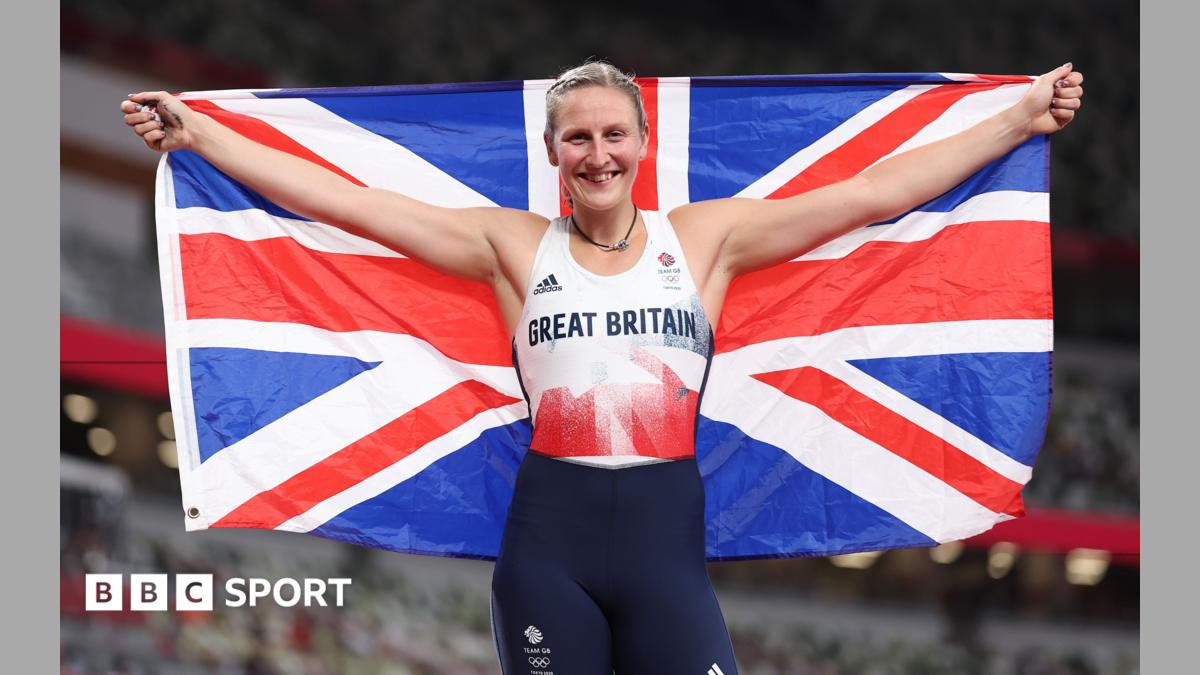
The European Broadcasting Union (EBU) has released new guidelines advising broadcasters to adopt more respectful camera angles when covering live female athletics events. Developed in consultation with athletes including British pole vaulter Holly Bradshaw and Serbian long jumper Ivana Spanovic, the 'do's and don'ts' aim to prevent the sexualisation of competitors through unnecessary low-angle shots, lingering body shots, and excessive slow-motion replays. The guidelines address concerns regarding inappropriate online videos and social media abuse resulting from revealing camera angles.
Implementation is expected at the European Athletics Championships in Birmingham, starting 10 August. The BBC, a partner in the EBU which broadcasts to 57 countries reaching over a billion people, will cover the event. However, the Diamond League, also broadcast on the BBC, is not bound by the EBU guidance as it does not go through the EBU.
Bradshaw reported receiving social media abuse and witnessing inappropriate online videos of herself and colleagues, resulting from revealing camera angles during live coverage. She noted that the way the sport is displayed can be powerful yet harmful, with many athletes finding themselves more focused on cameras than their own performance. "On too many occasions cameras are zoomed in, showing super slow-motion action replays of athletes in undignified positions," Bradshaw said.
Ivana Spanovic stated that certain camera angles cause discomfort and can have "serious long-term effects on athlete's mental health." Glen Killane, executive director of EBU Sport, identified lingering shots on bodies and low-angle cameras capturing revealing views as significant concerns in media coverage. He noted that the sexualisation of women athletes through selective camera angles and editing choices continues to be a significant concern across many sports broadcasts.
The guidelines include specific advice to avoid low camera angles underneath athletes in events such as the high jump or pole vault, which have a high chance of generating compromising images. Killane added that excessive slow-motion replays that serve no technical or storytelling purpose are among the issues observed in the media coverage of women's athletics competitions today.