Ebola crisis in Congo deepens as violence and aid cuts hamper response
Over 223 deaths reported in the Democratic Republic of the Congo as conflict, misinformation, and lack of specific vaccines complicate containment efforts.
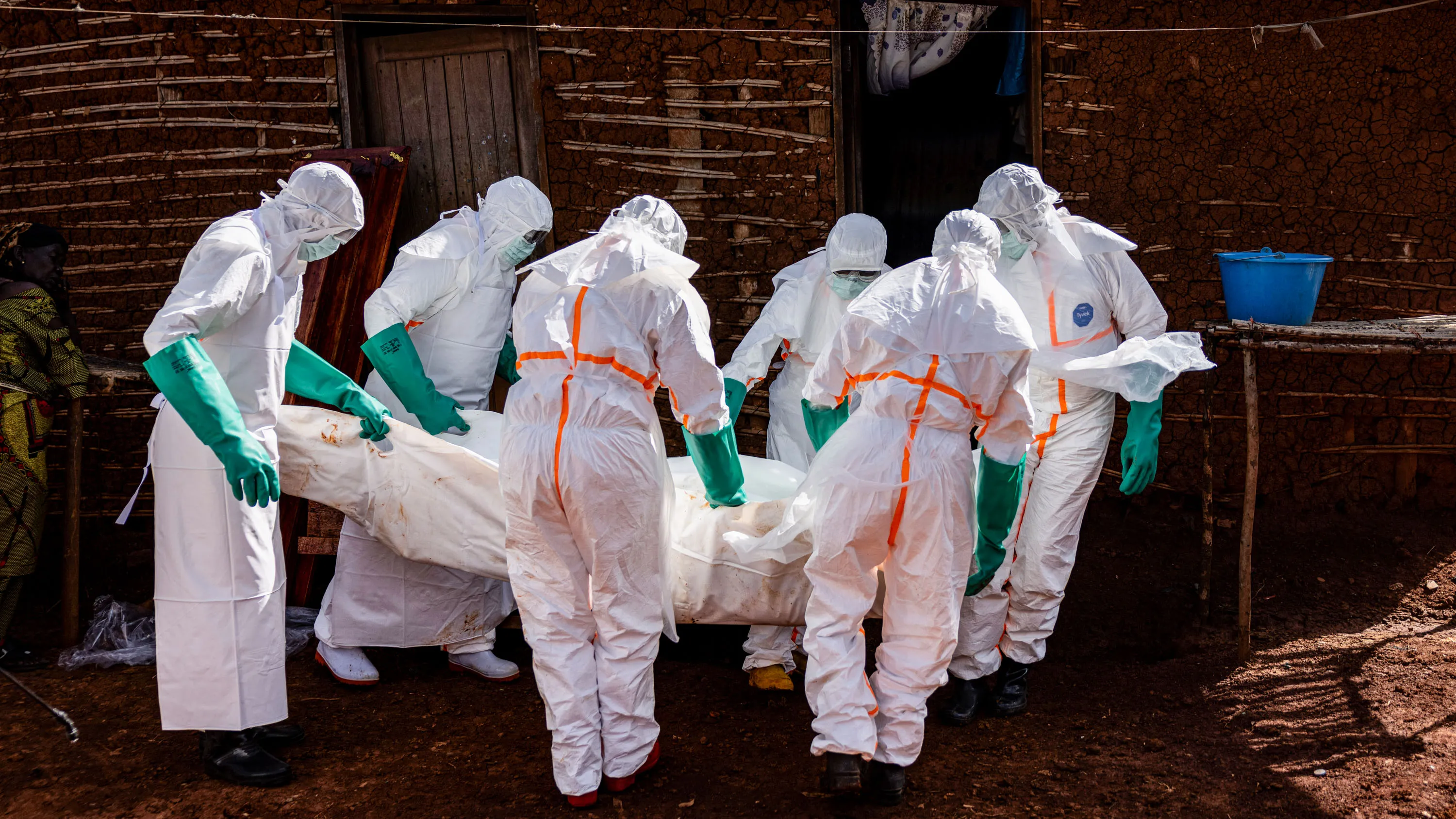
The World Health Organization has declared the Ebola outbreak in the Democratic Republic of the Congo a public health emergency of international concern, citing a catastrophic collision of disease and conflict that is outpacing containment efforts. As of May 24, 2026, the Bundibugyo virus strain has caused over 223 deaths and more than 900 suspected cases in the Ituri Province, with figures likely higher. The alert was first raised on May 5 after four health-care workers died from an unknown illness within four days, leading to the identification of the virus at a research centre in Kinshasa.
Containment is severely complicated by the absence of a specific vaccine for the Bundibugyo virus and the lack of approved antiviral treatments. While vaccines exist for the Zaire virus strain, their efficacy against Bundibugyo is unknown, and there are concerns they could interfere with immune responses. Synthetic biologists are developing potential vaccines, but the most advanced efforts remain months away from clinical trials. Consequently, health workers rely on isolating patients and ensuring safe burial practices, strategies that are increasingly difficult to implement in the region.
Violence against health infrastructure has destabilised the response. In recent weeks, three attacks occurred, including the burning of two treatment centres and gunfire at Mongbwalu General Hospital. These incidents were often triggered by community demands to retrieve the bodies of deceased relatives, leading to suspected cases re-entering the community. The outbreak is believed to have originated in Mongbwalu, a high-traffic mining hub, facilitating spread to neighbouring districts and across borders into Uganda, which has reported seven confirmed cases and one death.
WHO Director-General Tedros Adhanom Ghebreyesus described the situation as nearly impossible to manage due to armed conflict, poor infrastructure, and food insecurity affecting nearly 10 million people in the region. During a visit to the area on May 17, Tedros called for a ceasefire and pleaded with residents, acknowledging the compounded burdens of malaria, hunger, and insecurity. He commended the spirit of community members while highlighting the steep challenges they face in isolating patients and tracing contacts.
International aid cuts have further weakened the region’s capacity to respond. The International Rescue Committee noted that steep declines in US government funding for international health projects since the start of President Donald Trump’s second term have left surveillance systems and health facilities dangerously exposed. While the US has mobilised emergency funding for this specific outbreak and the State Department argues administrative actions have not hampered the response, experts counter that years of underinvestment have already eroded the frontline support needed for a rapid reaction.