Dual-band or tri-band? What home networks gain from an extra Wi-Fi band
Tri-band routers can increase network capacity and ease congestion, but Engadget says dual-band models remain suitable for less demanding homes.
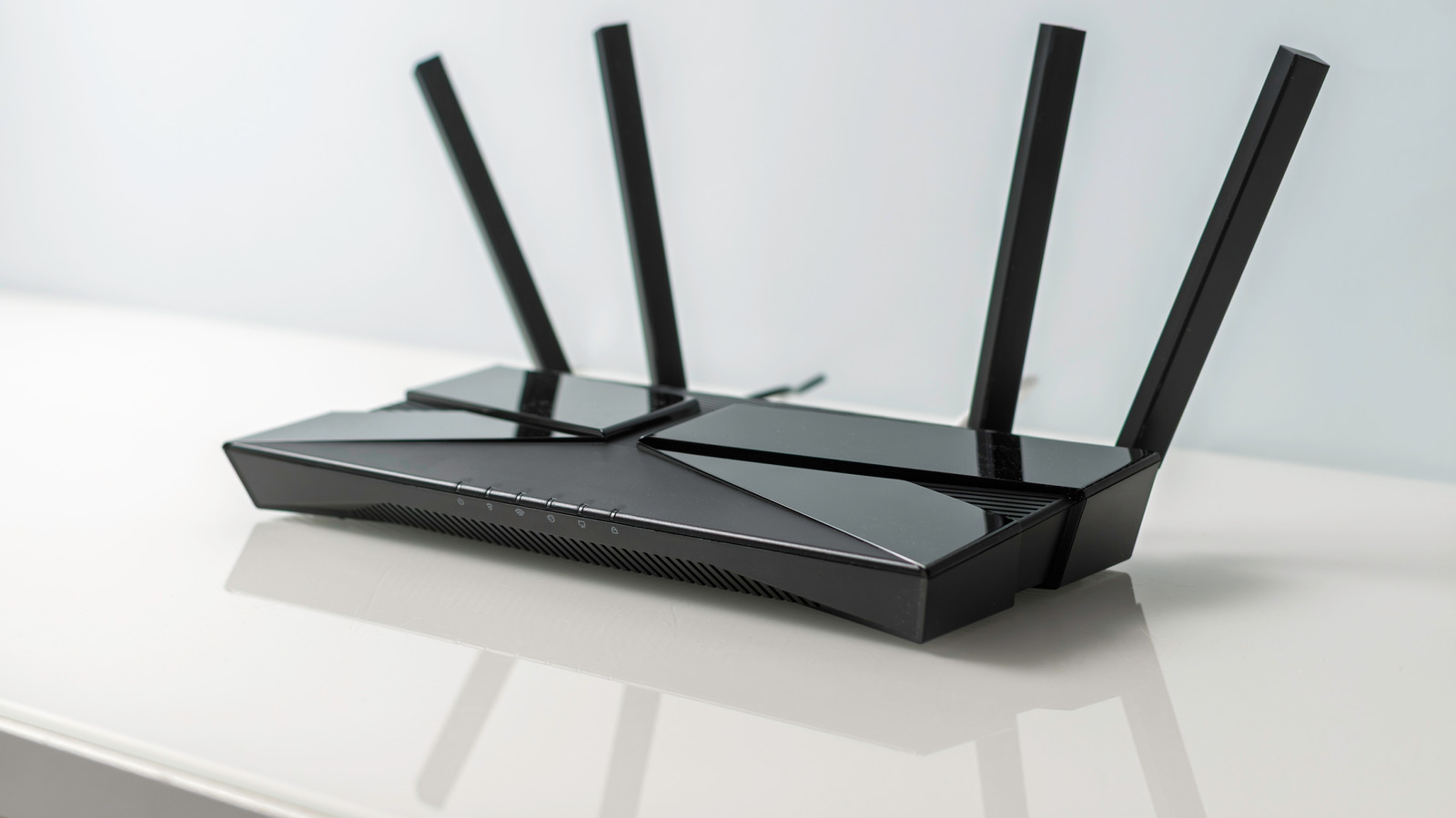
The choice between dual-band and tri-band routers largely comes down to network capacity, rather than a guarantee of faster internet. Engadget’s comparison says dual-band models generally use 2.4GHz and 5GHz, while tri-band routers add a second 5GHz band or, in newer Wi-Fi 6E and Wi-Fi 7 models, a 6GHz band.
Each band involves trade-offs. The 2.4GHz band generally provides the longest range and best wall penetration, but is slower and more vulnerable to interference from devices including Bluetooth equipment, microwaves and neighbouring routers. The 5GHz band is typically faster and less congested, although its range is shorter.
The 6GHz band can be faster and less prone to congestion and interference, but offers the shortest range and has limited device support. Router bands can operate simultaneously, allowing compatible devices to be distributed across the available connections.
Engadget identifies increased capacity as the main advantage of tri-band hardware. An additional band gives devices more room to upload and download data at the same time, which can help in heavily used households and other congested networks. Performance still depends on the router, home layout, device compatibility, network configuration and internet plan.
Tri-band routers can be particularly useful in mesh Wi-Fi systems. The third band may be dedicated to backhaul traffic between mesh nodes, leaving the other bands available for connected devices. In dual-band mesh systems, node-to-node traffic shares a band with phones, laptops and other equipment.
For less demanding networks, a dual-band router may be sufficient, particularly when devices are distributed effectively across the two bands. Engadget also notes that a faster router band does not raise an internet plan’s maximum speed: the plan remains the connection’s effective limit.