DRC National Assembly passes referendum bill amid deepening constitutional crisis
President Felix Tshisekedi’s push for constitutional reform has unified a fragmented opposition, triggering nationwide strikes and legal challenges over allegations of a 'constitutional coup'.
The National Assembly of the Democratic Republic of Congo passed a referendum bill on June 9, a legislative move that could pave the way for constitutional reforms ahead of the 2028 elections. The legislation, which enables amendments to presidential term limits under specific conditions, was approved without the presence of opposition lawmakers who have been boycotting parliament for weeks. The vote marks a significant escalation in the political standoff as President Felix Tshisekedi signals openness to altering the constitutional framework that currently limits him to two terms.
The new bill permits changes to the number and length of presidential terms in the event of a "major dysfunction" paralyzing state institutions. President Tshisekedi, who has been in power since 2019, stated in early May that while he had not formally requested a third term, he would accept one if the people desired it. His Union for Democracy and Social Progress party has launched a public campaign promoting the reform, arguing that the sovereign people who established the 2006 constitution retain the right to redefine its limits.
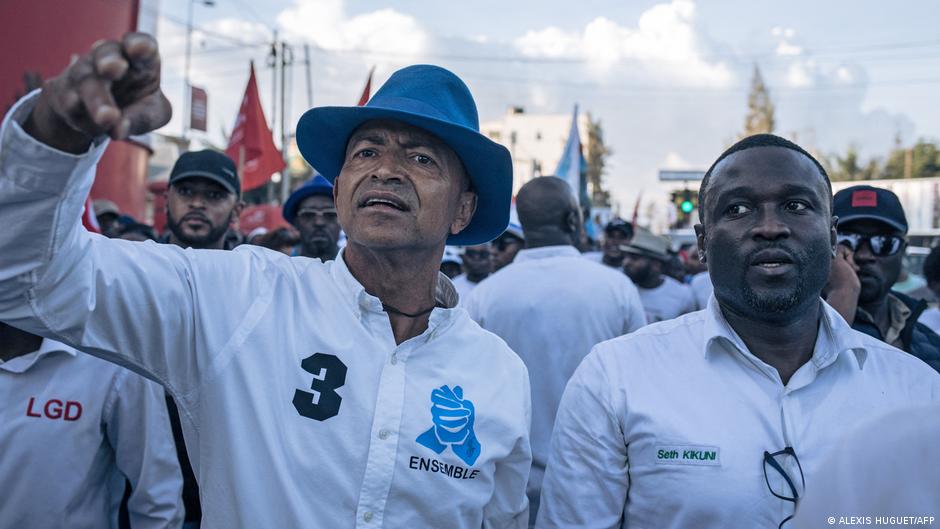
Opposition leaders have condemned the initiative as a "constitutional coup." Moise Katumbi, a former presidential candidate now in exile, described the provision for term limit amendments as a subterfuge designed to bypass entrenched constitutional protections. Katumbi warned that the move undermines the rule of law and vowed resistance, stating that the government would bear responsibility for any violence resulting from the crackdown on dissent. The bill has united a previously fragmented opposition under the Article 64 Coalition for the Defense of Constitutional Order, which includes figures such as Martin Fayulu and former President Joseph Kabila.
Legal and religious institutions remain divided on the legitimacy of the reforms. Godefroy Mwanabwato, a lawyer at the Tshopo Bar Association, suggested that the Constitutional Court may intervene to strike down provisions that exceed legislative powers. Meanwhile, while some evangelical groups support the changes, influential Catholic and Protestant churches have warned against undermining democratic gains. Bob Kabamba, a drafter of the current constitution, noted that removing the existing charter would fundamentally alter the system of governance, effectively dissolving the current presidency and parliament.
The political crisis has triggered nationwide protests, including a "ville morte" strike on June 3, and has drawn international attention. Katumbi has appealed directly to US President Donald Trump, warning that disregarding the constitution could jeopardise partnership agreements on minerals. President Tshisekedi has linked the need for reform to external pressures, claiming that the United States has demanded changes that require constitutional revision. Analysts suggest Tshisekedi may feel emboldened by international support linked to strategic mineral deals, further complicating the domestic political landscape.