Doyle’s Dublin: The Booker Laureate on Joyce, Dickens and the Sydney Writers’ Festival
In a recent interview with The Guardian Culture, the Booker Prize-winning author discussed the origins of *The Women Behind the Door*, his advice to emerging writers, and his upcoming appearance at the Sydney Writers’ Festival on 23 May.
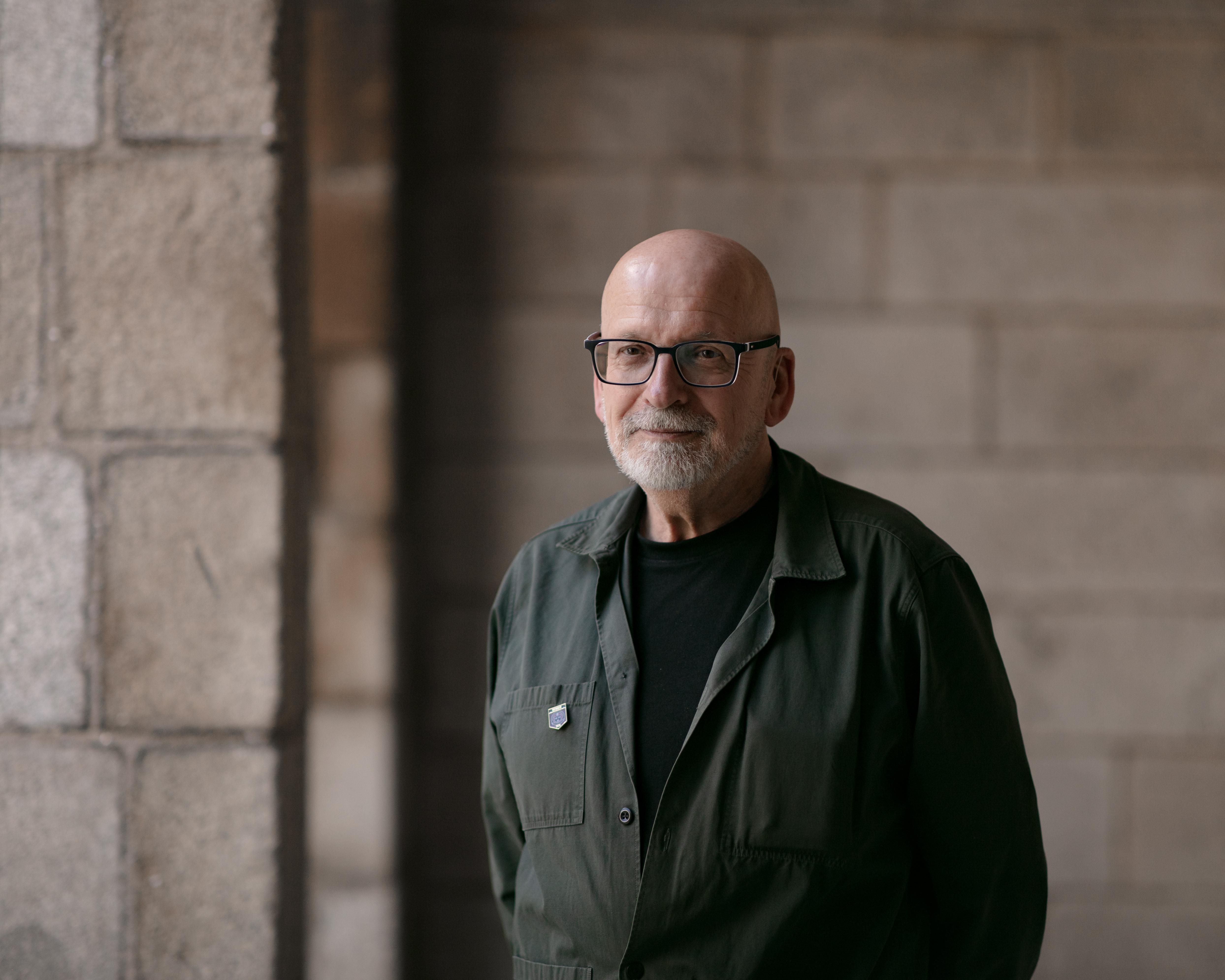
Booker Prize-winning Irish novelist Roddy Doyle is preparing to bring his distinctive voice to Australia, with a scheduled appearance at the Sydney Writers’ Festival on Saturday, 23 May. The event marks a significant stop for the acclaimed author, who continues to engage with audiences through his latest work, *The Women Behind the Door*, and his reflections on a career that spans novels, screenplays, and television series.
The genesis of Doyle’s newest novel is rooted in a moment of personal relief rather than literary theory. He revealed that the concept emerged shortly after he received his first COVID-19 vaccination. Driving home with a sense of elation, Doyle wondered how his long-standing protagonist, Paula Spencer, would have reacted to such a moment. By the time he parked his car, the core of the story was formed, launching a project that would occupy him for the next few years.
Paula Spencer, the protagonist of the 1996 novel *The Woman Who Walked Into Doors*, remains a figure of profound resonance for readers. Doyle noted that this earlier work, which deals with domestic violence, is the project that elicits the strongest reactions, particularly from women. He considers it possibly his best work, citing recent encounters with readers who found deep meaning in the character’s journey. The new book serves as a continuation of her life, exploring her perspective in a contemporary context.
Doyle’s literary preferences and frustrations were also laid bare in the interview. He expressed weariness at the inevitable questions regarding James Joyce, a staple for any Dublin-born writer. While he respects Joyce and has read *Ulysses* twice, he finds the academic focus on the author tedious and daft. Instead, he points to Charles Dickens as a more compelling figure, specifically admiring the creative energy behind *Great Expectations*, which Doyle cites as the book he has read more than any other.
When asked about ideal literary companions, Doyle selected Dickens but with strict limitations. He would enjoy two pints with the Victorian author to witness his creative energy, but would decline a third, citing Dickens’ overbearing nature and his horrible behaviour towards his family. Doyle’s own approach to writing, however, is far more forgiving; he advises emerging authors to prioritise quantity over quality in early drafts, urging them to be kind to themselves and fill pages before worrying about perfection.
The interview also touched on Doyle’s sense of humour and his choice of soundtrack for his final moments. He selected the theme tune from the BBC football show *Match of the Day* for his funeral, describing the contrast between the upbeat rhythm and the solemnity of a coffin leaving as "nuts." This blend of the serious and the absurd characterises a career that has consistently challenged conventions, from the self-publishing of his debut *The Commitments* to his candid discussions on language and luck.
As Doyle prepares for his Sydney appearance, he continues to balance the demands of his craft with a grounded perspective on success. He recalls advice to replace feelings of luck with gratitude, acknowledging that his achievements are the result of persistent effort rather than chance. With the "itch" to write still present, Doyle remains a vital voice in contemporary literature, ready to share his insights with new audiences down under.