Downing Street to Press Burnham on Defence Spending and War Bonds Ahead of Transition
With the Defence Investment Plan set for announcement, No 10 aides are lobbying the likely successor to exceed current funding commitments, despite Treasury resistance.
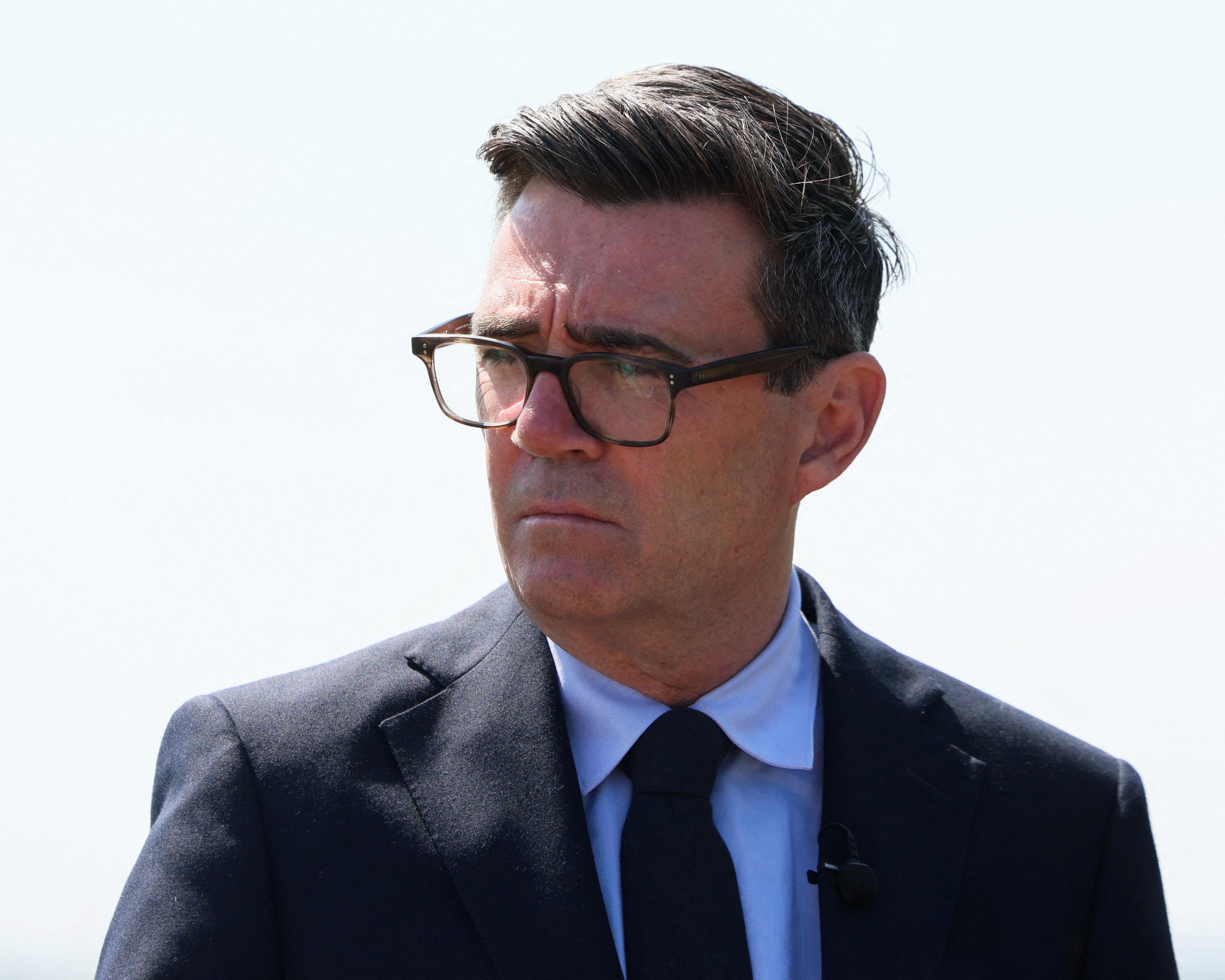
Senior Downing Street aides are preparing to lobby Andy Burnham during access talks to revive the proposal for “war bonds” to fund increased defence spending upon his assumption of the prime ministership. Officials aim to persuade Burnham to invest beyond the £13.5bn already earmarked for the Defence Investment Plan (Dip), which Prime Minister Keir Starmer is set to announce before the Nato summit in Ankara. Defence aides have briefed Burnham’s team on the state of the UK’s depleted defence capabilities, and Burnham’s allies have reserved the right to reopen the Dip if concerns regarding mismanaged programmes and military readiness remain unaddressed.
The specific proposal involves issuing up to £20bn in war bonds that would be exempt from inheritance tax, a plan previously championed by Starmer’s business adviser Varun Chandra and former chief of staff Morgan McSweeney but rejected by the Treasury. Advocates argue that the tax benefit would encourage domestic individual investors, potentially lowering the government’s overall cost of borrowing compared to reliance on hedge funds. However, the Treasury has consistently opposed the scheme due to warnings about the impact of higher borrowing and the restriction of funds to defence spending only.
Air Chief Marshal Sir Richard Knighton, head of the armed forces, has publicly argued for higher defence spending, citing historical precedents where UK defence spending reached 52% of GDP in 1945, and stating the need for forces capable of deterring Russia. He emphasised the requirement for armed forces that adversaries fear, noting that deterrence failure would result in a more costly all-out war. This stance contrasts with the current target of 2.7% of GDP, highlighting the tension between fiscal constraints and military preparedness.
Chancellor Rachel Reeves is reportedly in discussions with Canada and developing a “multilateral defence mechanism” with Finland and the Netherlands, distinct from the Treasury’s opposition to the war bond scheme. Concurrently, New Defence Secretary Dan Jarvis has indicated he is seeking additional funding and is engaged in discussions with other departments to reallocate budgets. Jarvis described these inter-departmental talks as constructive, as Starmer seeks to resolve difficult issues in his remaining weeks in office to facilitate a smoother transition.
The political transition is occurring amidst ongoing debate within the government about the source of defence funding. While some Labour MPs support the Defence Security and Resilience Bank initiative, led by Canada, which would specialise in lending to small defence companies, the Treasury has previously opposed such measures. Burnham’s team has been briefed on the state of UK defence capabilities and may reopen the Dip if concerns remain unaddressed, particularly regarding mismanaged programmes such as tank investments.