Dollar slips as Hormuz optimism pushes oil below US$100
The US dollar index fell 0.3% while the Australian dollar rose 0.58% as Brent crude dropped 5% to US$98.43 a barrel.
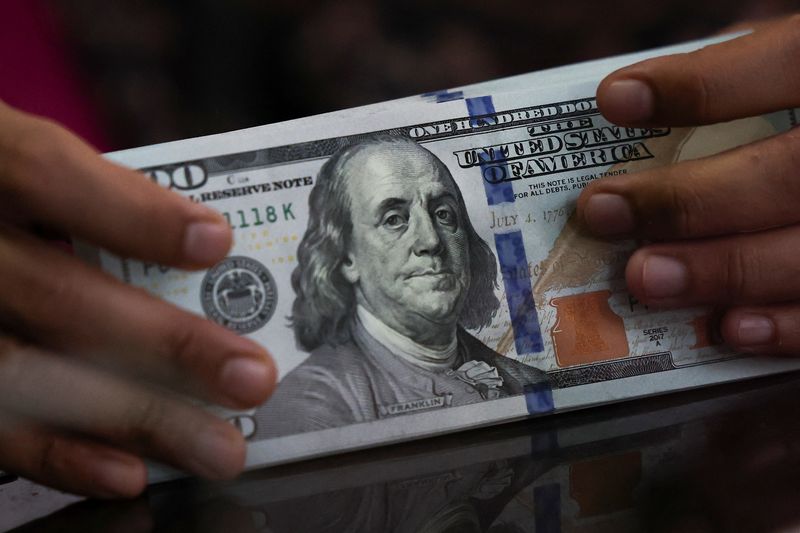
The US dollar weakened against major currencies on Monday as optimism surrounding a potential deal to reopen the Strait of Hormuz drove oil prices below the US$100 per barrel threshold. Brent crude fell 5% to US$98.43 a barrel, while the US dollar index declined approximately 0.3% to 98.969. The Australian dollar strengthened by 0.58% to reach US$0.717, outperforming the US dollar despite the broader market volatility.
Despite the market rally, diplomatic officials from both the United States and Iran tempered expectations regarding an immediate resolution. US Secretary of State Marco Rubio stated that Washington sought a "good agreement" but would deal with Iran in "another way" if one failed to materialise. Iranian officials indicated that while progress had been made on a memorandum of understanding, they played down the likelihood of a signed deal in the near term.
Japan announced plans to augment its foreign exchange reserves by an additional US$19 billion to subsidise fuel costs and alleviate cost-of-living pressures. Prime Minister Sanae Takaichi assured markets that the supplementary budget would not result in a net increase in national borrowing, aiming to assuage bond market concerns while addressing inflationary pressures.
Currency movements were mixed across the board, with the euro rising 0.33% to US$1.1641 and the British pound gaining 0.55% to US$1.3499. The New Zealand dollar also advanced 0.5% to US$0.5874, while the US dollar fell 0.2% against the yen to 158.91 yen. Trading liquidity was reduced as many global markets, including those in the US, Hong Kong, Britain, and much of Europe, remained closed for public holidays.
Analysts noted that while a peace deal could temporarily weaken the US dollar, its underlying fundamentals remain strong. Samara Hammoud, an economist at CBA, wrote that once the initial impulse of a deal washes through, the US dollar is likely to re-strengthen. Meanwhile, Chris Weston of Pepperstone Group Ltd suggested that if Brent crude drops towards US$90, it could provide renewed life to risk assets by lowering short-term inflation expectations.
Looking ahead, traders are awaiting key economic data, including the US ADP employment report on Tuesday and euro zone confidence surveys on Thursday. European Central Bank policymaker Yiannis Stournaras also signalled that if euro zone inflation overshoots the target temporarily but significantly, monetary policy should be adjusted in a more restrictive direction.
In cryptocurrency markets, Bitcoin rose 0.9% to US$77,271.20, while Ether gained 1.1% to US$2,114.30. The broader market sentiment remains cautious, with investors weighing the conflicting signals from US President Donald Trump, who has alternated between claiming a deal is "largely negotiated" and maintaining the blockade on Iranian ships until a formal agreement is signed.