DNA profiling reveals four new names among the lost crew of the Franklin expedition
New research adds William Orren, David Young, John Bridgens and Harry Peglar to the roll call of those who perished in the doomed Arctic voyage.
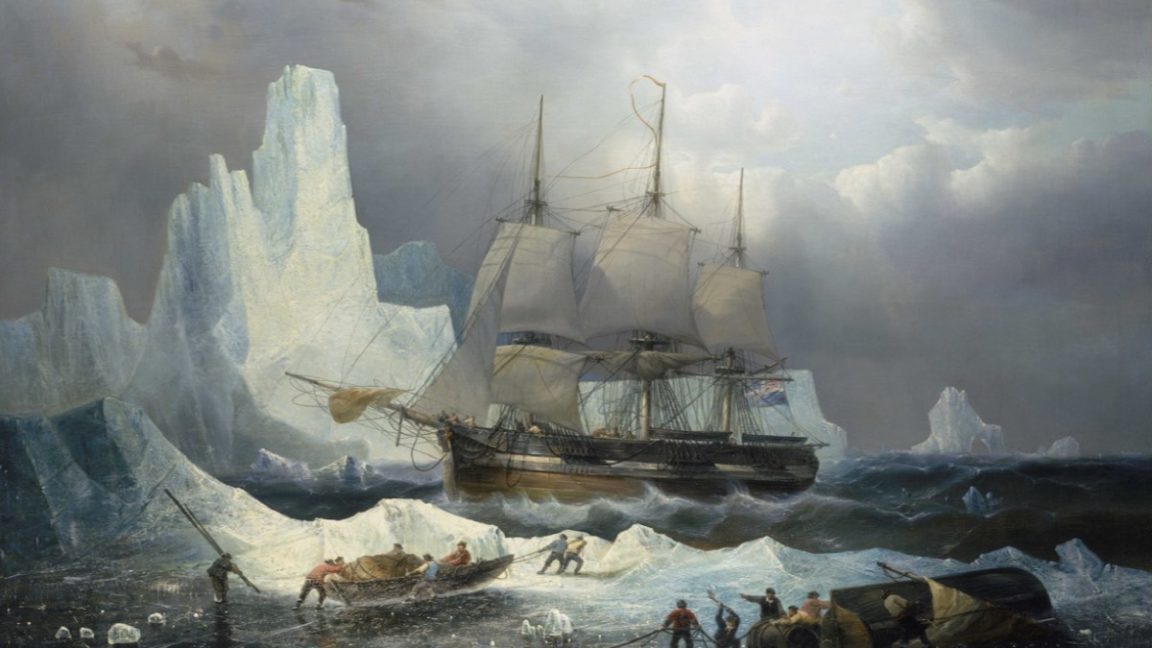
Scientists have utilised advanced DNA profiling to identify four additional individuals from Captain Sir John S. Franklin's ill-fated 1845–1846 Arctic expedition. Published in 2026 in the Journal of Archaeological Science and the Polar Record, the findings add these names to the growing list of known victims who perished during the voyage. The study marks a significant step forward in resolving the mysteries surrounding the crews of HMS Erebus and HMS Terror, which became icebound in the Victoria Strait.
Three of the newly identified crew members served aboard HMS Erebus. Their remains were recovered from archaeological sites at Erebus Bay on King William Island, specifically from locations designated NgLj-3, NgLj-2, and a 2018 find at NgLj-1. The analysis confirmed the identities of William Orren, an able seaman; David Young, a boy 1st class; and John Bridgens, who served as a subordinate officers' steward.
A fourth individual, Petty Officer Harry Peglar of HMS Terror, was identified from an unburied skeleton discovered on the south shore of King William Island. This find resolves a long-standing debate regarding the skeleton's identity, which had previously been thought to belong to a steward due to the presence of non-seaman clothing, including a double-breasted waistcoat and a silk neckerchief. The leather pocketbook found with the remains contained a seaman's certificate, providing crucial context for the identification.
The identification process involved comparing mitochondrial and Y-chromosome DNA extracted from archaeological samples, such as bone, tooth, and hair, against cheek swab samples from 25 descendant donors. This rigorous comparison included a new relative of Captain James Fitzjames, whose remains were previously confirmed to show signs of cannibalism. The successful matching of genetic profiles allowed researchers to definitively link the skeletal remains to their specific historical counterparts.
These discoveries build upon previous years of research, which had already identified Chief Engineer John Gregory and Captain Fitzjames through similar genetic methods. The cold water temperature and lack of natural light in the Arctic environment preserved the shipwrecks and artifacts in remarkably good condition, facilitating this ongoing effort to honour the memory of the 129 crew members who ultimately died.
The publication of these results in peer-reviewed journals underscores the continued value of combining archaeological excavation with modern genetic science. As the search for the full narrative of the Franklin expedition continues, each identified name brings the historical record one step closer to completeness.
