DIY Cyberdecks Emerge as Feminist Counter-Culture to Big Tech Surveillance
A surge in social media has popularised the construction of customised, artistic computers, framing hardware modification as an act of radical ownership and resistance against sealed consumer electronics.
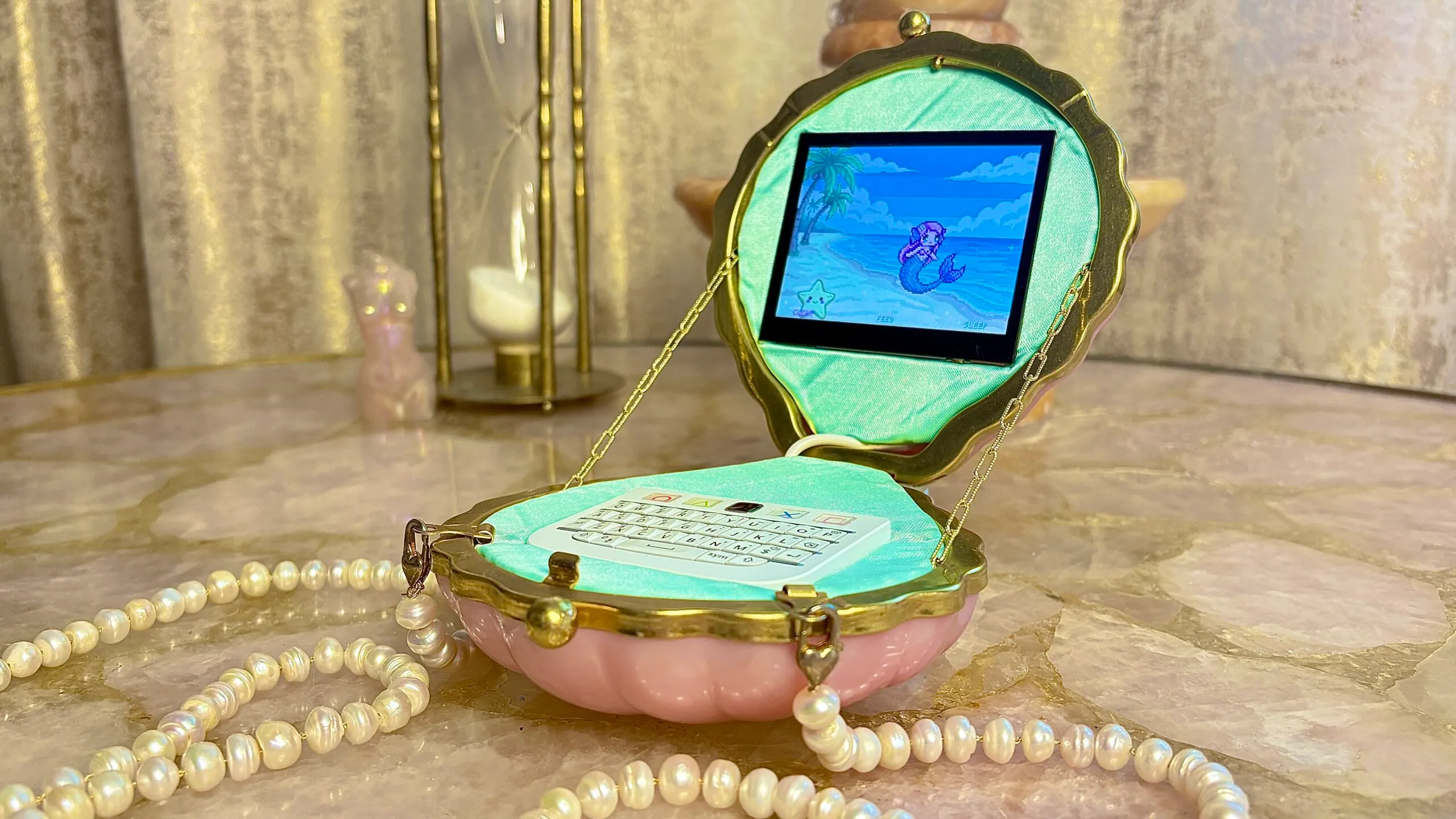
A growing community of DIY enthusiasts, predominantly women, is driving a resurgence in the construction of cyberdecks — small, customised computers housed in unconventional enclosures such as purses, shells, and corsets. The trend, which has gained significant traction over recent months, utilises hardware like the Raspberry Pi to create devices that function as e-readers, game emulators, and local AI terminals. This movement explicitly rejects the surveillance models of major technology firms and the homogenised, male-dominated aesthetic traditionally associated with Silicon Valley.
The term cyberdeck originated in William Gibson’s 1984 science fiction novel Neuromancer, with modern iterations emerging in the 2010s following the release of credit card-sized computers. While early adoption was confined to niche online hardware communities, platforms such as TikTok and Instagram have recently amplified the subculture. Creators are documenting the assembly of artistic, often hyper-feminine devices, sharing tutorials that enable users with no formal engineering background to build functional technology.
Prominent creators include CC, known online as Bimbo Tech, who has detailed the construction of a pink mermaid purse cyberdeck using a Raspberry Pi 3A+. The device serves multiple functions, including acting as an e-reader, a Tamagotchi-style companion, and a terminal for accessing local AI setups and personal server data. CC, who has no background in software engineering, has used her blog to encourage other women to engage with hardware, noting the lack of non-traditional colour options in professional-grade technology.
Blockchain developer Maro Vardanyan has approached the trend through the lens of historical computing practices, creating what she describes as macrame motherboards. By weaving Raspberry Pis into wearable art such as corsets and purses, Vardanyan draws parallels to the role of women in early computing, specifically the weaving of copper wires for magnetic-core memory used in the Apollo Guidance Computer. Her work challenges the notion that such hardware must remain utilitarian, asserting that fibre arts and technology are historically linked.
The movement is framed by participants as a form of radical ownership, contrasting with the sealed nature of mainstream consumer electronics. Creators argue that modifying devices allows for a closer relationship with technology, rejecting the black-box design of products from companies like Apple. This shift has also fostered a supportive environment for women in tech, with creators noting a significant increase in female participation and peer-to-peer education within the community.
The trend has faced criticism from some online detractors who view the aesthetic choices as impractical or a misuse of hardware. However, proponents maintain that the value lies in the act of creation and the reclamation of agency over personal devices. The cyberdeck movement represents a deliberate departure from the efficiency-obsessed culture of big tech, prioritising personal expression, open-source accessibility, and resistance to data extraction.
As the community continues to expand, the cyberdeck has evolved from a niche hobby into a visible cultural statement. It highlights a broader desire among consumers to move away from opaque, surveillance-heavy technology towards systems that are transparent, repairable, and personally owned. The rise of these artistic, solar-powered devices signals a potential shift in how technology is perceived, valued, and integrated into daily life.