Divided cabinet faces crisis as Starmer defies calls for resignation
Senior ministers are split on whether to oversee an orderly transition of power or support Starmer remaining in office, while potential successors navigate their own political hurdles.
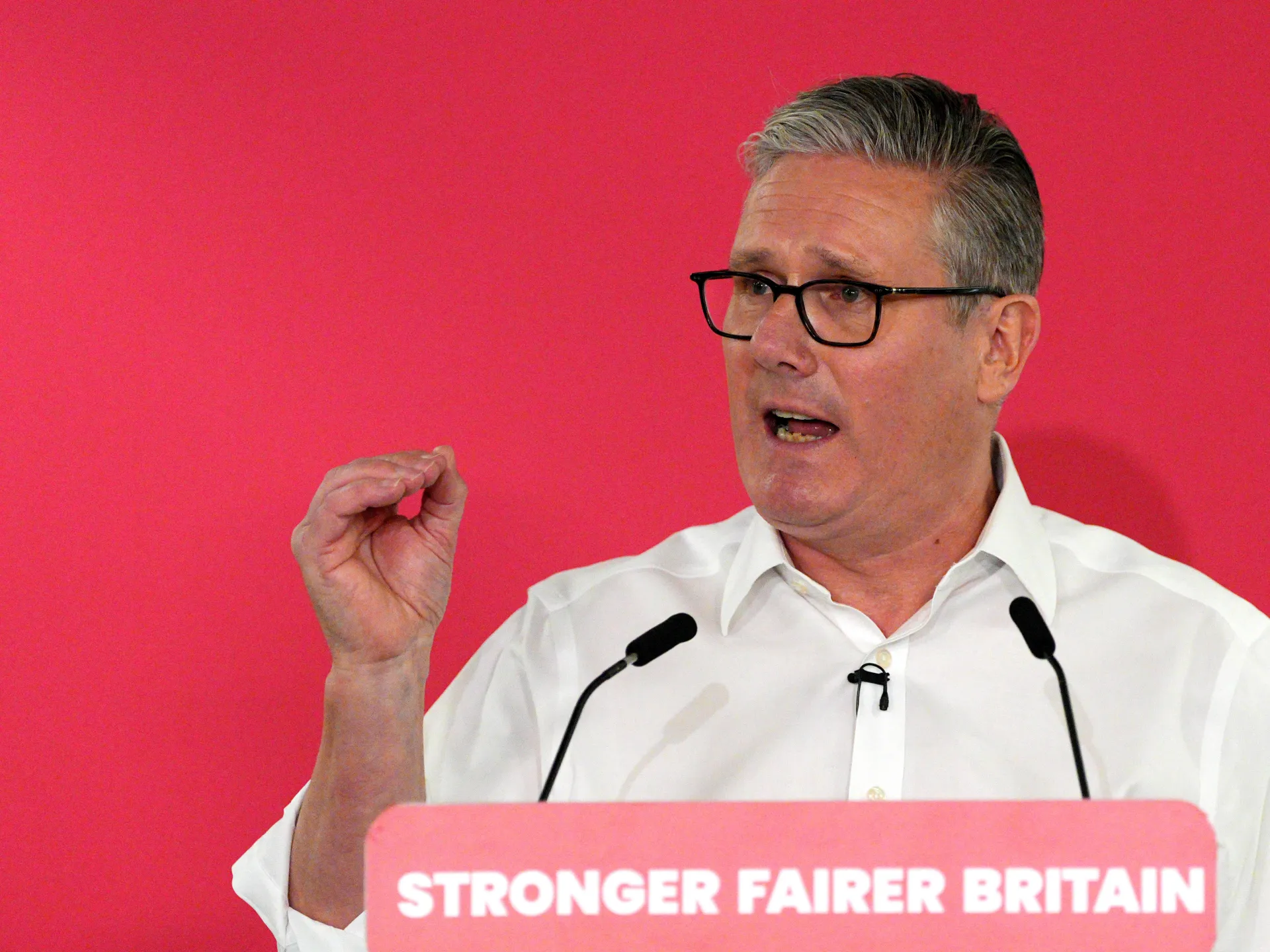
British Prime Minister Keir Starmer is preparing to face a fractured cabinet on Tuesday as the party grapples with the aftermath of significant electoral defeats. Following last week's local elections, in which Labour lost over 1,400 seats and relinquished power in Wales, more than 80 Labour MPs have formally called for the Prime Minister's resignation. This number surpasses the 81 endorsements required to trigger a leadership contest within the party.
Despite the mounting pressure and the departure of six ministerial aides on Monday, Starmer has maintained a defiant stance. In a speech delivered on Monday, he accepted responsibility for the "very tough" results but warned against the "chaos of constantly changing leaders," drawing parallels to the instability experienced under previous Conservative administrations. His chief secretary, Darren Jones, reinforced this position, noting that while the Prime Minister is engaging with colleagues, he is clear that he will not step down.
The internal dynamics of the government remain deeply divided on the path forward. While Starmer intends to stay in office, Home Secretary Shabana Mahmood is understood to have advised him to oversee an orderly transition of power. This perspective is shared by other senior figures, including Foreign Secretary Yvette Cooper and Defence Secretary John Healey, who met with the Prime Minister on Monday. Conversely, the cabinet is split on whether the leadership should remain unchanged or facilitate a change at the helm.
Potential challengers for the Labour leadership include Health Secretary Wes Streeting and Greater Manchester Mayor Andy Burnham. However, the field is not without complications. Angela Rayner, the former Deputy Prime Minister, faces uncertainty regarding her candidacy due to an ongoing investigation into her tax affairs. She resigned in 2025 after admitting to underpaying stamp duty on a property, a matter that currently hampers her ability to run.
The electoral setback has been attributed to a combination of policy decisions and external factors. Starmer's government, which has been in power since 2024, has seen its popularity decline following the removal of the winter fuel allowance and its policy on Gaza. Furthermore, the party faces growing support for Reform UK and the Green Party, the latter led by Polanski, who has been vocal in his criticism of the conflict in Gaza. Starmer has characterised these groups as exploiting despair rather than offering the progressive leadership he claims the times demand.
As the cabinet meeting approaches, the outcome remains uncertain. The specific nature of the discussions on Tuesday will determine whether the party moves toward a formal leadership challenge or if Starmer continues to govern despite the revolt from his own parliamentary party. The situation highlights a significant fracture within the Labour ranks as they navigate the consequences of their recent electoral performance.