Disney’s ABC Sues FCC Over Alleged Retaliatory Broadcast Licence Actions
Disney-owned ABC has filed a First Amendment lawsuit against the Federal Communications Commission, alleging that an ongoing investigation and an order for early broadcast licence renewal constitute a retaliatory campaign aimed at aligning the network with political demands.
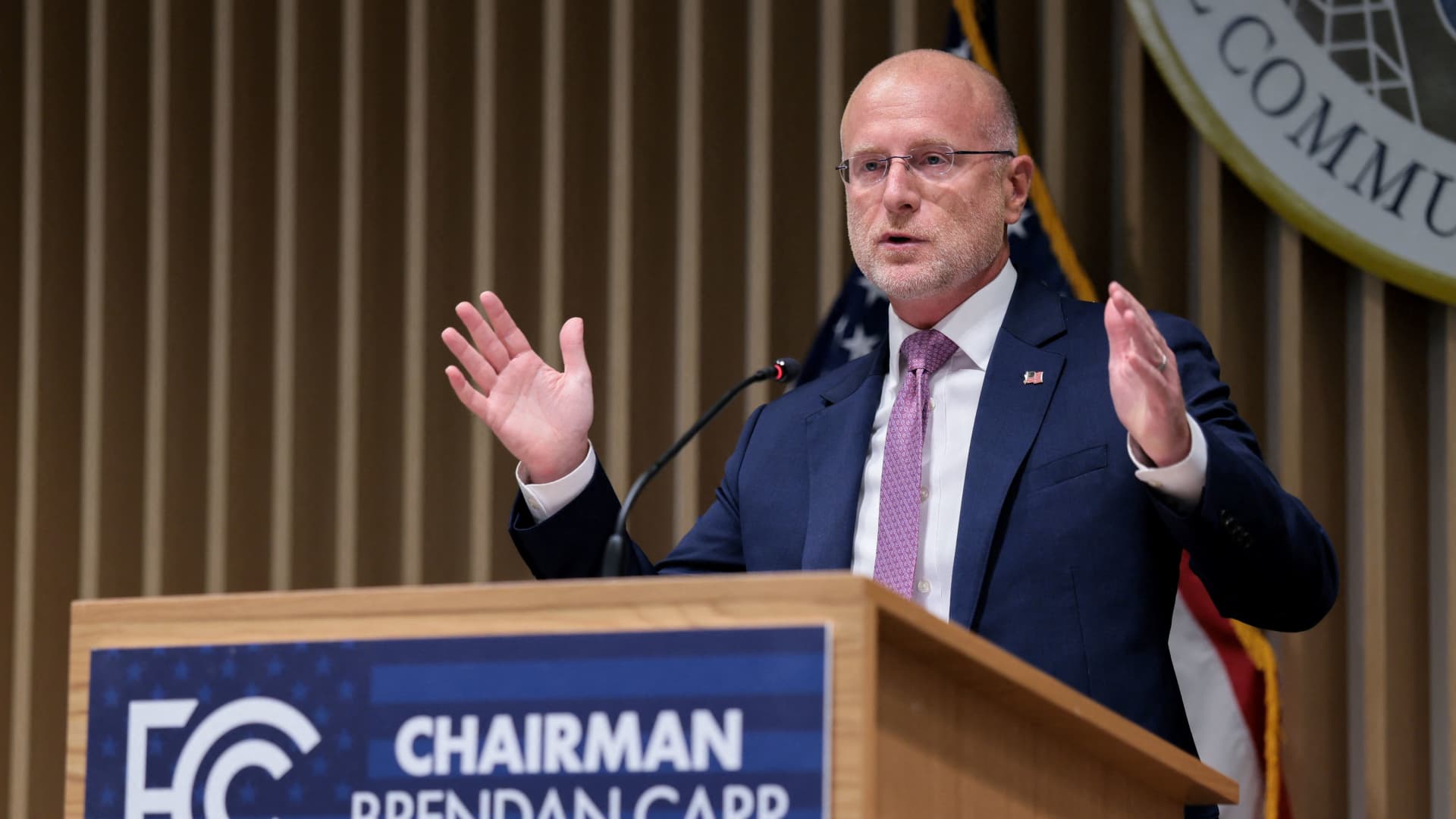
Disney-owned ABC has initiated legal proceedings against the Federal Communications Commission, arguing that the US regulator’s recent actions amount to a retaliatory campaign targeting the network’s programming. The lawsuit, filed in federal court, seeks to halt the FCC’s review and renewal proceedings for ABC’s broadcast licences, which the network contends are being used as coercive tools to influence editorial content.
The legal challenge follows a series of regulatory escalations beginning in February 2026, when the FCC opened an investigation into the airtime allocated to political candidates on the programme The View. This scrutiny intensified in April when the regulator issued an order requiring ABC stations owned by Disney to file for an early licence renewal. ABC responded with a series of letters condemning the decision, asserting that the regulatory pressure was designed to chill free speech and force the broadcaster to align with the Trump administration’s demands.
In its filing, ABC warned that the consequences of this regulatory approach extend beyond its own operations. The network argued that if the administration succeeds in its current campaign, it would send a clear message to all media companies in the country: report only stories deemed favourable by the government or face the coercive machinery of the federal regulator. The lawsuit frames these actions as a direct threat to the First Amendment rights of the broadcaster and the public’s right to information.
Tensions between the network and the regulator appeared to escalate further in July, with reports indicating ongoing friction regarding the regulatory pressure. The legal action represents a significant confrontation between one of the largest media conglomerates in the United States and the body responsible for overseeing communications laws and regulations.
The outcome of the lawsuit remains uncertain, as it is unclear whether the FCC will halt its proceedings or if the court will rule in favour of the network’s constitutional claims. The case highlights the growing friction between media organisations and regulatory bodies over the boundaries of editorial independence and government oversight.