Dell’s 2026 XPS 14: Premium build meets steep price hikes in Intel Panther Lake refresh
As the premium laptop market tightens, Dell’s redesigned XPS 14 offers superior battery life and refined ergonomics, yet struggles to justify its US$2,000 to US$2,900 price tags against Apple and Asus competitors.
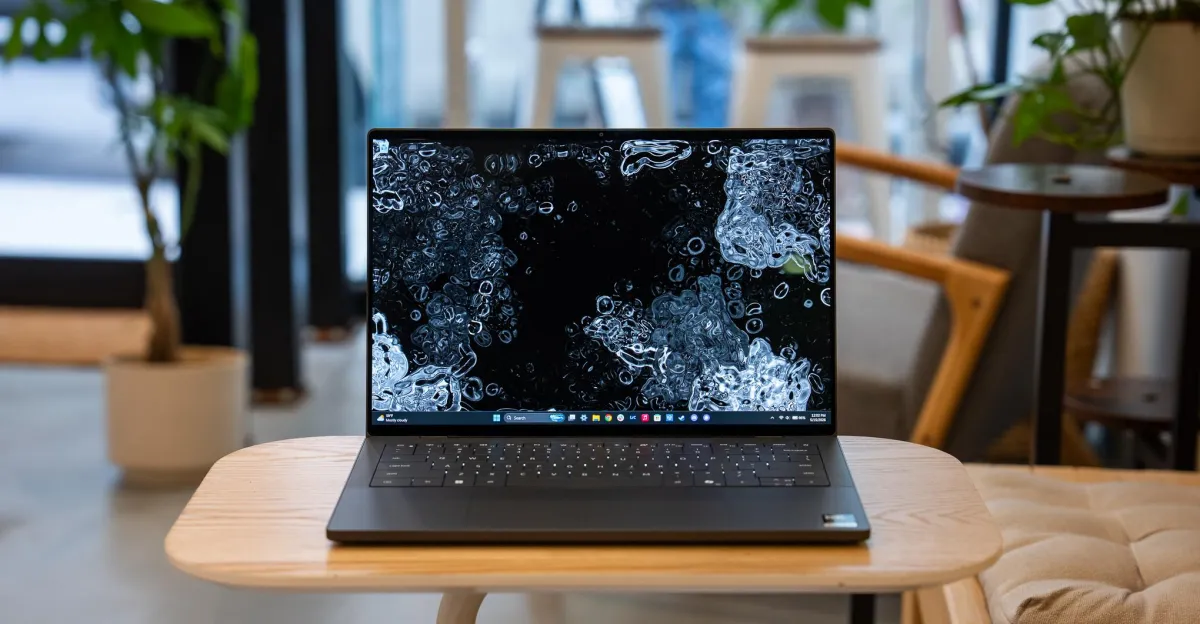
Dell has released the 2026 XPS 14, a significant redesign of its premium laptop line powered by Intel Core Ultra Series 3 "Panther Lake" processors. The device marks a strategic return to physical function keys and a textured haptic trackpad, addressing longstanding criticisms of the XPS series’ previous capacitive interfaces. Available in an IPS configuration starting at US$1,999.99 and an OLED touchscreen model at US$2,899.99, the new hardware represents a departure from the "Premium Plus" naming scheme, reverting to standard XPS branding to signal a renewed focus on core product quality.
The hardware overhaul has yielded notable gains in efficiency and build integrity. The entry-level IPS model, equipped with an 8-core Intel Core Ultra 5 325 chip, features a variable refresh rate that drops to 1Hz for static content, enabling over 14 hours of mixed usage and a remarkable 26 hours of continuous runtime in battery tests. This performance outpaces many ARM-based competitors, although the OLED variant, powered by the 16-core Core Ultra X7 358H, offers a brighter 2880 x 1800 tandem display with a 120Hz refresh rate but delivers slightly lower battery endurance of over 10 hours.
Despite these efficiencies, the device’s input mechanisms remain a point of contention. While the return to physical F-keys is widely praised, the gapless keyboard retains a shallow 0.8mm key travel. Reviewers note that this design leads to a slower typing experience and increased error rates, despite the tactile bump provided at the top of each keystroke. Similarly, the textured haptic trackpad, while an improvement over previous iterations, still suffers from occasional unregistered clicks and accidental double-clicks, particularly when users rest their palms heavily on the surface.
Performance benchmarks place the XPS 14 in a challenging position relative to its primary rival, Apple. While the Intel chips provide solid thermals and quiet operation, the laptop is outperformed in raw processing power by Apple’s M5 MacBook Air and MacBook Pro. The entry-level XPS 14 is notably slower than the fanless 15-inch M5 MacBook Air, and even the higher-end OLED model struggles to match the M5 MacBook Pro, which also offers superior port selection including HDMI and SD card slots.
The most significant barrier to adoption for the 2026 XPS 14 is its pricing structure, which has increased substantially from the previous generation. The IPS model now costs US$400 more than its 2025 predecessor, while the OLED version has seen a US$700 hike. This aggressive pricing, attributed to market conditions affecting component costs, places the device at a disadvantage against competitors like the Asus Zenbook Duo and Zenbook A16, which offer more RAM, larger screens, or dual-screen setups for lower prices. Consequently, while the build quality and battery life represent Dell’s best work in years, the value proposition remains difficult to justify for many consumers.
