Defensive value yields to offensive scarcity as MLB batting average hits 58-year low
Elite defenders including Patrick Bailey, Ke'Bryan Hayes, and Marcus Semien face roster scrutiny as the league batting average falls to .239, marking a structural shift in how teams evaluate player utility.
The 2026 Major League Baseball season has been defined by a severe contraction in offensive output, with the league batting average dropping to .239, the lowest figure recorded since 1968. Home run rates have similarly declined to their lowest per-game level since 2015. This environment has disproportionately impacted players renowned for elite defensive capabilities, who are now struggling to maintain viable offensive metrics and facing heightened scrutiny over their continued roster spots.
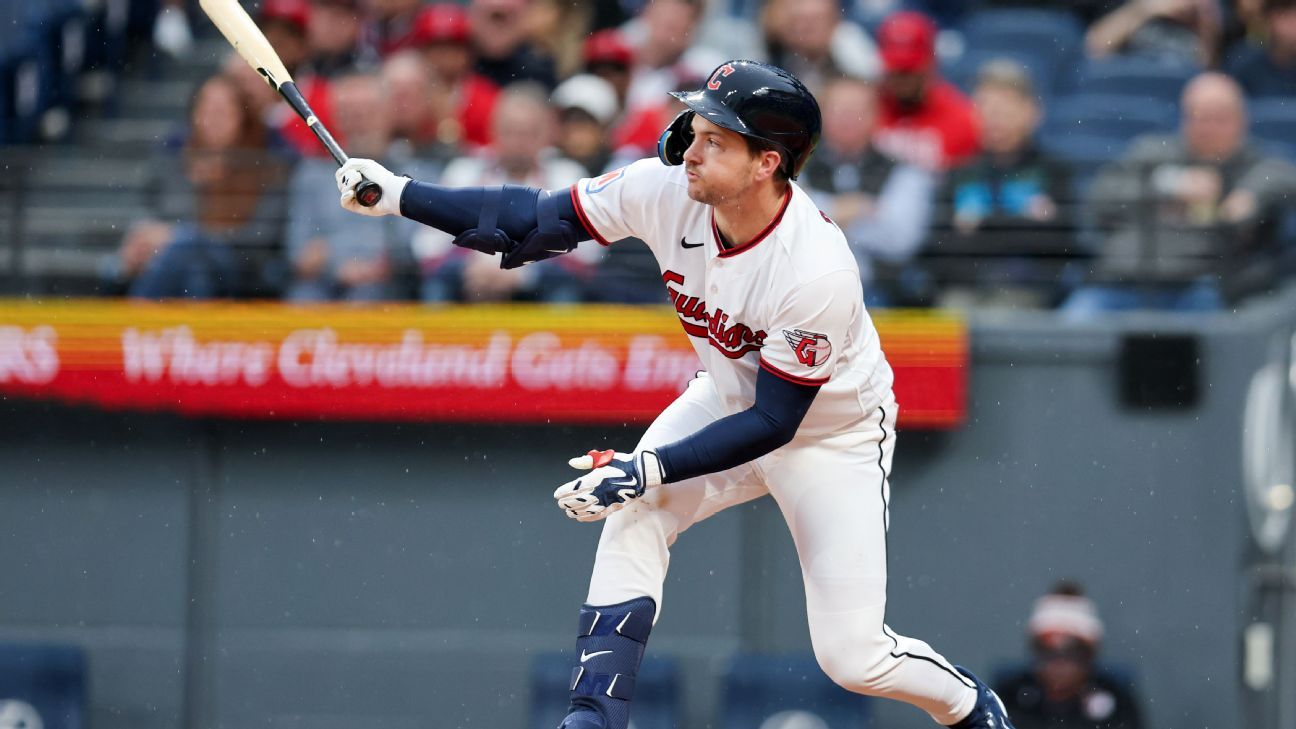
The trend is most visible in the recent transaction involving Patrick Bailey, a two-time Gold Glove winner widely regarded as the premier defensive catcher in the sport. The San Francisco Giants traded Bailey to the Cleveland Guardians on May 9 after he posted a .146 batting average in 30 games. Giants president of baseball operations Buster Posey cited the need to generate more runs and the defensive strides made by rookies Jesus Rodriguez and Daniel Susac as primary drivers for the move, illustrating that even top-tier defensive value is no longer immune to offensive shortfalls.
Bailey’s struggles are part of a broader pattern affecting several high-profile defenders. Denzel Clarke of the Oakland Athletics, Ke'Bryan Hayes of the Cincinnati Reds, Joey Ortiz of the Milwaukee Brewers, Victor Scott II of the St. Louis Cardinals, Marcus Semien of the New York Mets, and Taylor Walls of the Tampa Bay Rays have all posted offensive metrics well below average. Hayes, a two-time Gold Glove winner at third base, has seen his offensive production slide significantly below his 2024 and 2025 levels, while Ortiz ranks in the 98th percentile for defensive outs above average despite his offensive struggles.
Historical data indicates that modern front offices are far less tolerant of poor hitting from defensive specialists than in previous decades. Since the expansion era began in 1962, the number of players maintaining full-time roles with an OPS+ below 80 has decreased markedly. In the 1970s, 12.4 per cent of all available starting positions featured a player batting at least 400 times with an OPS+ under 80; in the current decade, that figure has dropped to 5.5 per cent. The supply of replacement-level talent has increased, and advanced evaluation metrics have made teams more proactive in seeking offensive upgrades.
The implications for the affected players vary based on contract status and organisational depth. The Guardians invested a draft pick and a pitching prospect in Bailey, suggesting a long-term commitment despite his current slump. Conversely, the Reds may be forced to move on from Hayes, who is signed through 2029 but has failed to produce offensively. While the Rays have retained Walls due to their league-leading record and defensive needs elsewhere, the general direction of the sport confirms that defensive excellence alone is insufficient to guarantee a roster spot in an era of offensive scarcity.