Deep Fission files for $157 million Nasdaq IPO amid financial warnings and delayed milestones
The company’s previous attempt to list via a reverse merger with Surfside Acquisition resulted in no actual trading, while its path to nuclear criticality has slipped with no new timeline provided.
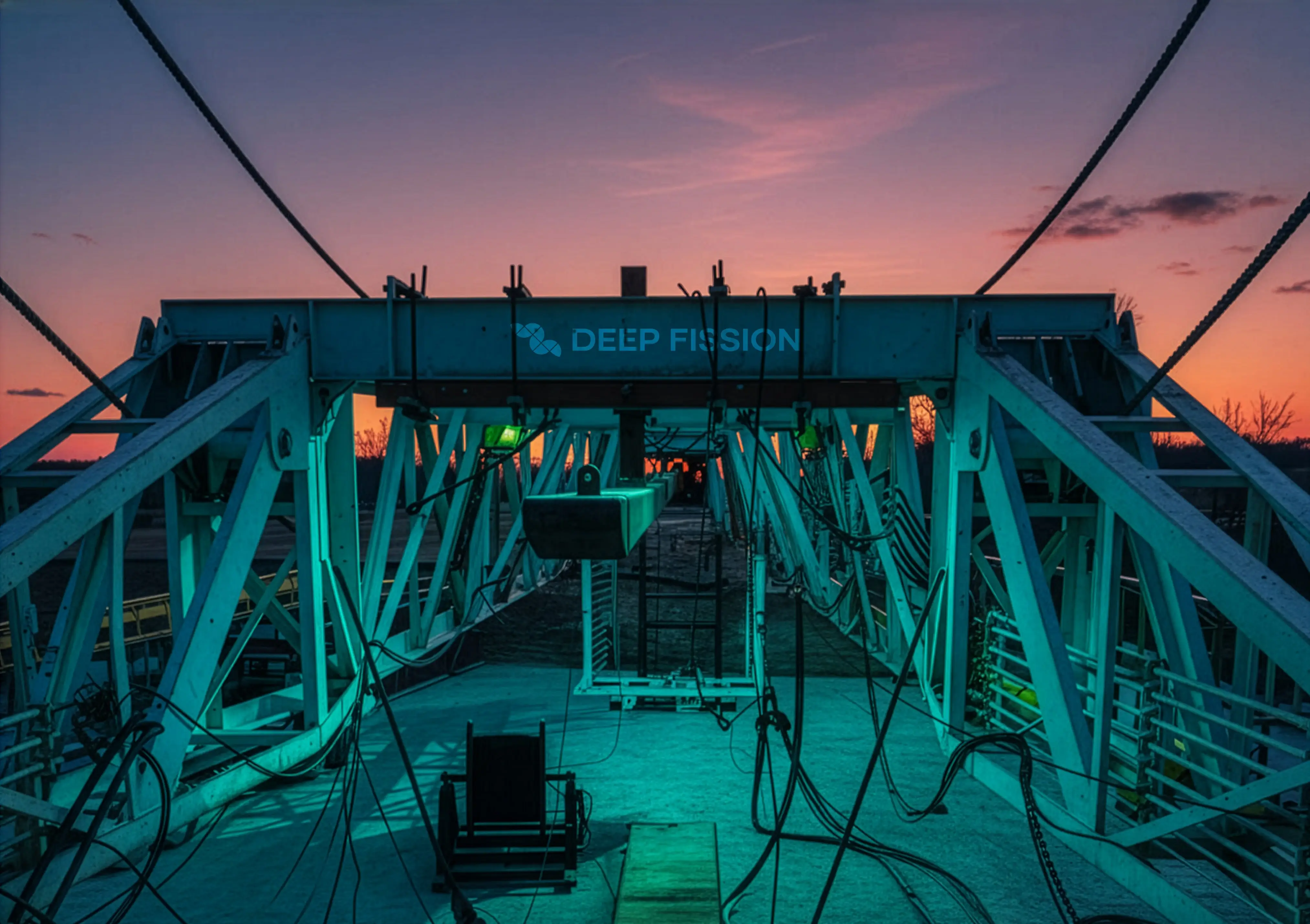
Nuclear energy startup Deep Fission has filed to raise $157 million through an initial public offering on the Nasdaq stock exchange, valuing the company at up to $1.66 billion. The offering, with shares priced between $24 and $26, marks the company’s second attempt to access public markets following a reverse merger with Surfside Acquisition in September 2025. That previous transaction raised $30 million but did not result in actual stock trading on the OTCQB marketplace, a fact the company has now confirmed in its latest Securities and Exchange Commission filing.
The S-1 document, submitted on 20 May 2026, highlights a deteriorating financial position that contrasts sharply with the company’s ambitious valuation. Deep Fission reported a deficit of $88.1 million as of March 2026, an increase from $56.2 million in the previous reporting period. Cash equivalents declined by 7 per cent, or $6.4 million, over the six weeks leading up to the filing. Consequently, the company included a “going concern” warning, indicating it could run out of money within 12 months if the IPO is not completed.
Technological milestones have also slipped, adding to the cautionary tone of the filing. Deep Fission previously targeted July 2026 for achieving nuclear criticality, the point at which a nuclear chain reaction becomes self-sustaining. The company now provides no estimate for this date. Instead, it is currently drilling test wells up to 6,000 feet deep to gather data for reactor design, a process that precedes the construction of commercial-scale boreholes estimated to be one mile deep and between 30 and 50 inches in diameter.
Despite the financial and technical headwinds, Deep Fission has secured significant backing from institutional investors. The company received an $80 million equity investment, which included $20 million from data centre developer Blue Owl. Blue Owl has also signed a non-binding memorandum of understanding for future power plants, providing a potential revenue stream for the startup’s subterranean reactors designed to power artificial intelligence data centres.
The move to list on Nasdaq follows a broader trend of nuclear startups seeking public capital, such as X-energy, which recently went public with a larger offering. However, unlike its peers, Deep Fission is not yet generating revenue and remains in the early stages of the Nuclear Regulatory Commission’s licensing process. The company declined to comment on the IPO details, citing the quiet period, leaving investors to weigh the high valuation against the unresolved technical challenges and immediate liquidity risks.