Deep Care launches offline posture-tracking desk device Isa
The €299 gadget uses Time-of-Flight sensors to monitor posture and environment without cameras or persistent internet, testing the viability of subscription-layered hardware.
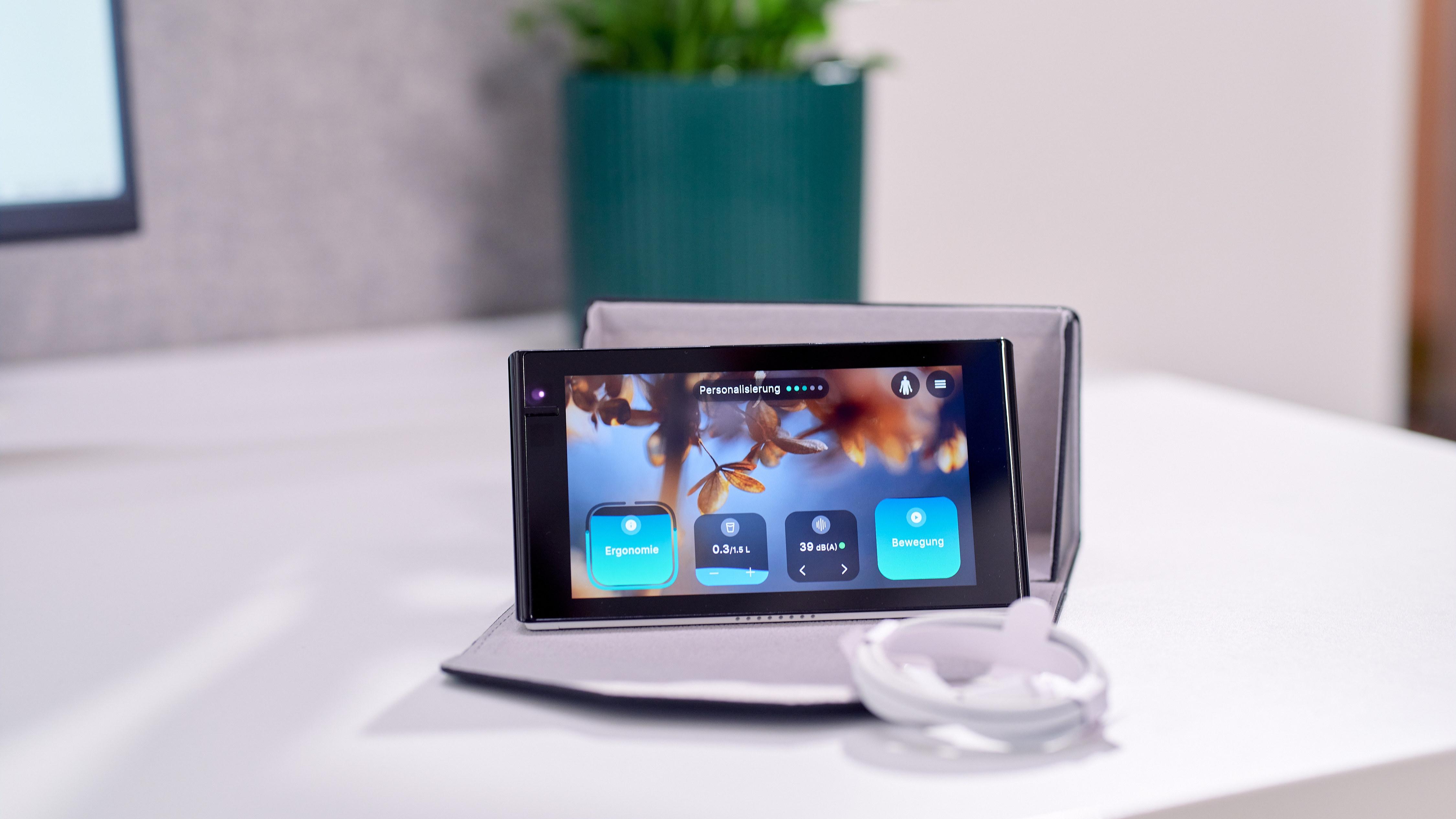
German startup Deep Care has released Isa, an offline desk device designed to monitor and improve user posture, movement, and environmental conditions. Priced at approximately $350 AUD (€299), the device utilises a Time-of-Flight (ToF) 3D depth sensor to track metrics without cameras or a persistent internet connection, positioning itself as a privacy-focused alternative to existing wellness apps. Founded by three former Bosch employees, Deep Care has shifted from a B2B sales model to direct-to-consumer retail. The launch signals a test of the mainstream viability for a subscription model layered onto premium workplace wellness hardware, with tiers starting at €4.99 per month for additional health and environmental tracking features.
Isa features a 5.5-inch IPS HD screen and is powered via USB-C with a low power consumption rating of roughly 2.45W. The sensor suite includes a ToF 1D sensor, gyroscope, barometer, light sensor, sound level sensor, CO₂/VoC sensor, and temperature/humidity sensor. The ToF 3D depth sensor on the front tracks posture and movement within a range of 0.15 meters to 1.8 meters, enabling features such as counting liquid intake. The device processes data using a quad-core 2 GHz processor and can connect to Wi-Fi for software updates, though this can be disabled.
The device displays posture via a squircle ring that changes colour based on sitting quality, turning yellow or red to indicate poor alignment. Haptic alerts vibrate to warn users of slouching or prolonged stationary periods, prompting on-device guided exercises. However, the sensor-only approach presents limitations; objects such as bottles or passing pets may trigger false positives, and the device currently lacks a manual button to indicate when the user is away from the desk.
Deep Care initially targeted business clients before expanding to the consumer market. The hardware is available with two subscription tiers. The core plan costs €4.99 per month, providing access to posture tracking, habit monitoring, and the exercise library. The Pro plan, priced at €7.99 per month, adds tracking for light, noise, and CO₂ levels. The company plans to expand into mental health tracking by analysing breathing patterns via posture and chest movement data, alongside environmental factors like noise and CO₂ levels.
Current software limitations include support for only EU and US time zones, lacking options for other regions such as Asia. While the device offers a thoughtful approach to desk habits, the accuracy of the ToF sensor in distinguishing between humans and other objects remains variable. The efficacy of the proposed mental health and stress-related scoring features is currently theoretical, as these are listed as future plans rather than fully implemented capabilities. Long-term user adherence to the subscription model and its impact on actual health outcomes are not yet established.
