David Farley wins Farrer seat as rural NSW voters reject major parties
One Nation's David Farley declares victory in Farrer, marking the latest instance of country voters turning away from the two-party system
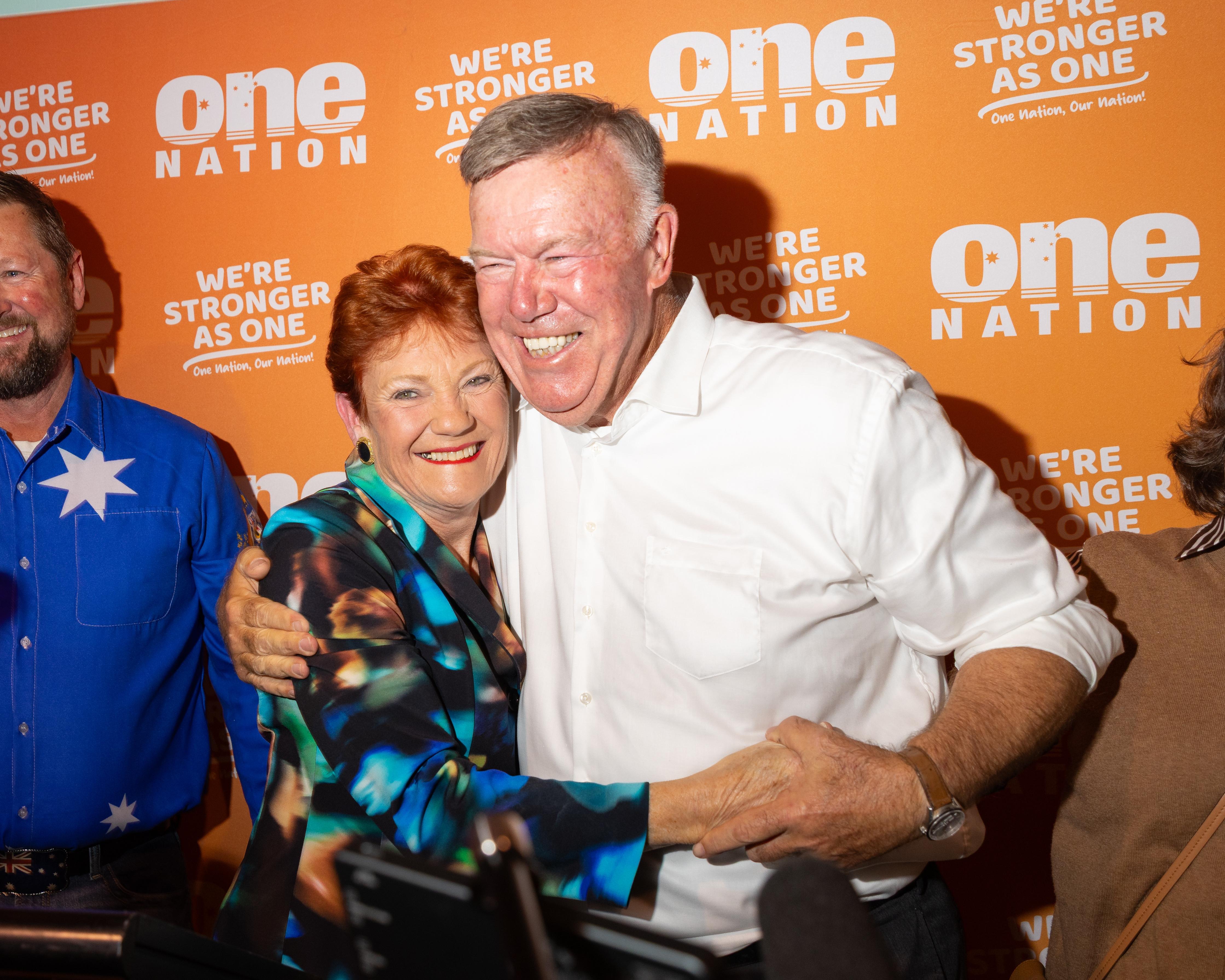
One Nation candidate David Farley has secured a victory in the Farrer electorate, a regional seat in New South Wales. The result marks the latest instance of rural voters in the state rejecting the major political parties. Farley's win is described as a significant blow to the Liberal Party, which received just over 12 per cent of the vote in the by-election.
This outcome highlights a long-standing historical trend where country electorates in NSW have elected independents or defectors prior to the recent reshaping of urban politics by community independents. Historically, regional NSW has elected outsiders and defectors from major parties, including figures such as Peter Andren, Tony Windsor, Rob Oakeshott, and Andrew Gee.
Farley, described as a candidate of higher calibre and experience than typical One Nation recruits, has previously flirted with other parties before securing One Nation preselection. On election night, he declared this win as the "end of the beginning" for One Nation, suggesting a shift in the party's trajectory compared to previous iterations. However, it remains uncertain whether One Nation will be able to retain David Farley or develop policies capable of implementation, as the party has historically struggled to keep representatives aligned.
The durability of Farley's position is questionable, given the historical tendency for One Nation representatives to eventually sit on the cross benches before the next election cycle. A similar dynamic occurred in Queensland in 1998, where One Nation won 11 seats but saw most become independents by the end of the term, leading to a Labor victory under Peter Beattie following an economic recovery.
The current political landscape is characterised by a widening gap between voter disgruntlement regarding the neoliberal model and the ability of political leaders to project optimism and deliver on grievances. Even though it was a different time and context, there are lessons to be learned from One Nation's short-term success in Queensland in 1998, where the nascent party won 11 seats in the state's parliament but by the end of the term, there was only one left.
Independents have always played an important role in Australian politics, a fact that is worth remembering as the 125th anniversary of the first parliament is celebrated. In the following half century after 1901, 24 were elected as independents and 37 sat on the cross benches as a result of losing preselection, resigning or being expelled from their parties. Whether One Nation is able to actually hold on to its newly elected representative or develop policies that have any chance of being implemented will also take a while to play out.