David Attenborough marks centenary with retrospective of spectacular television moments
As David Attenborough turns 100, a new retrospective highlights his daring on-screen adventures and pivotal role in commissioning landmark series
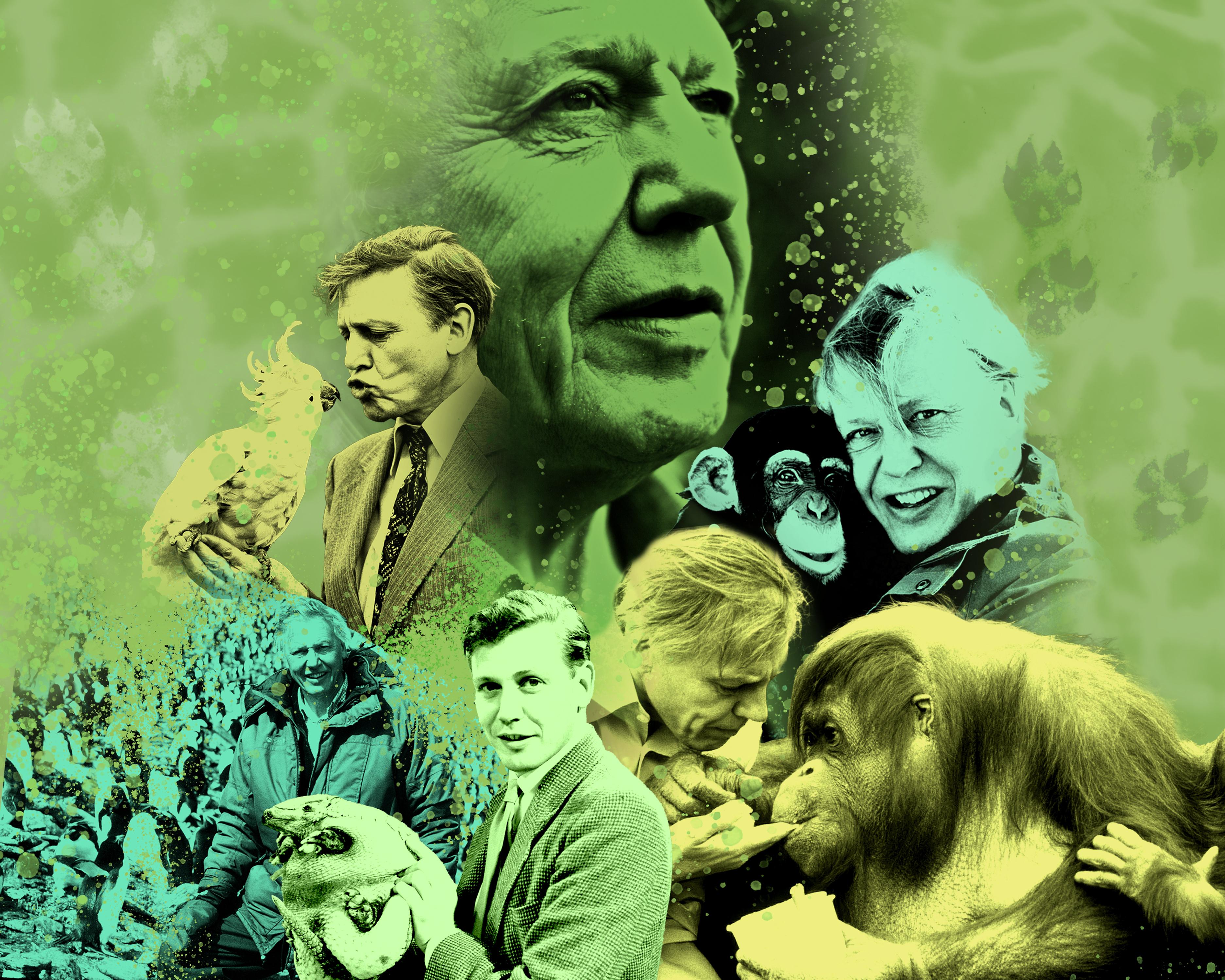
As David Attenborough celebrates his 100th birthday, a comprehensive retrospective is being released to honour a career that has fundamentally shaped the medium of natural history television. The celebration marks a century of extraordinary adventures, ranging from encounters with erupting volcanoes and swarms of 120 million crabs to standing calmly beside armed tribesmen.
The retrospective traces a path from his early BBC credits in the 1950s to a prolific output released in his centenary year of 2026. Key highlights include the commissioning of cultural milestones such as Monty Python's Flying Circus and Civilisation, alongside his leadership in major natural history franchises like Planet Earth, Our Planet, and Prehistoric Planet.
Recent projects released in 2026 showcase the enduring vigour of his work. These include Wild London, featuring a peregrine falcon chick; Secret Garden, which captures a blue tit chick stalked by a cat; and A Gorilla Story, revisiting the 1979 Rwanda gorilla group. The year also saw the release of Planet Earth III, which features a life-and-death showdown between a cobra and a toad, as well as a dramatic segment on an angel shark.
The broadcaster's influence extends beyond wildlife, with a significant focus on environmental urgency in his later years. Our Planet, produced for Netflix in collaboration with the World Wildlife Fund, notably focuses on the climate crisis and documents the recovery of the Chernobyl region after human departure. Additionally, Prehistoric Planet for Apple TV+ is noted for updating the scientific understanding of dinosaurs since the era of Jurassic Park.
Production choices in his final decades have also challenged traditional non-interference rules. Dynasties made headlines for a production intervention where the team dug a slope to save penguins trapped in a deep trench. This approach contrasts with the strict observational style of earlier eras, reflecting a shift in how audiences engage with conservation narratives.
Attenborough's legacy is defined by a dual commitment to personal on-screen peril and the curation of high-signal cultural content. From introducing colour television to the UK to narrating the most expensive BBC show ever made, his career remains a testament to the power of storytelling in connecting audiences with the natural world.