Dave Ramsey warns real estate is not passive income despite $850 million portfolio
In a recent discussion, Ramsey clarified that while real estate is a key component for building initial net worth, the belief that rental income guarantees cash flow ignores significant ongoing expenses.
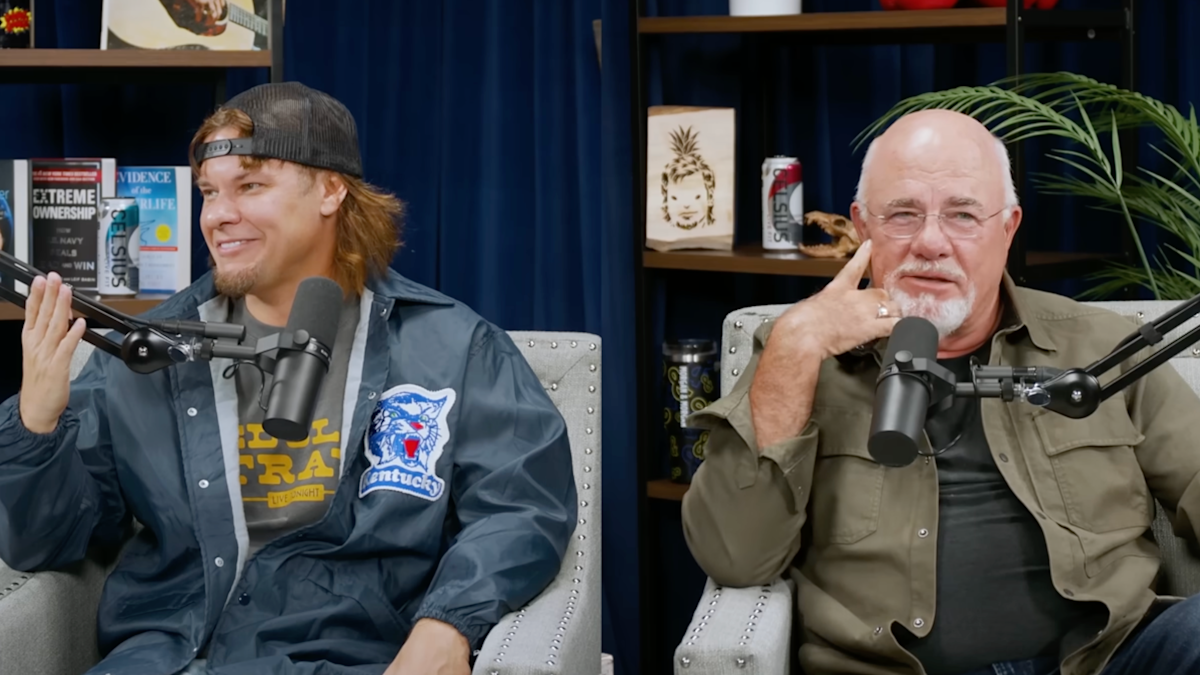
Financial educator Dave Ramsey has publicly stated that anyone claiming real estate constitutes passive income is lying. Despite managing a personal portfolio of commercial and residential properties valued at approximately $850 million, Ramsey argues that direct property ownership is an active endeavour requiring constant management of repairs, vacancies, and tenant issues.
During an interview with comedian Theo Von on the This Past Weekend podcast in spring 2024, Ramsey reiterated his stance that real estate is not a hands-off investment. He described the reality of landlordship as a "pain in the butt," noting that owners are right in the middle of the action or they are getting screwed. He contrasted this directly with mutual funds, which he characterises as "set it and forget it" investments.
Ramsey highlighted that even his own paid-off properties can struggle to generate positive cash flow due to substantial expenses. He cited specific examples of costs such as property taxes, insurance, and major repairs, including a $14,000 installation for a heat and air system. These ongoing outlays mean that rental income exceeding mortgage payments does not automatically equate to guaranteed profit.
The financial expert advises investors to focus on low-price units they can afford to pay for upfront and to manage their properties tightly. He warns against the "naive and incomplete" belief that rent over mortgage payments equals guaranteed cash flow, urging owners to deal with the hassle of day-to-day maintenance to succeed over the long term.
For those seeking less active involvement in the sector, Ramsey and other analysts point to alternatives such as Real Estate Investment Trusts, crowdfunding, joint ventures, and fractional ownership. REITs are noted for offering strong dividends and protection from direct ownership risks, though they can be volatile depending on market conditions and lending rates.
Short-term vacation rentals also present an option for flexibility and potentially higher income, but they require significant active management unless a management company is hired. While these methods offer varying levels of autonomy and risk, Ramsey maintains that direct ownership remains the most demanding path for building wealth.