Datacentre investment drives Australia’s 0.3% GDP growth amid climate and jobs concerns
While the economy expanded, the primary driver was private investment in datacentre equipment rather than construction or exports, raising questions about long-term sustainability and household welfare.
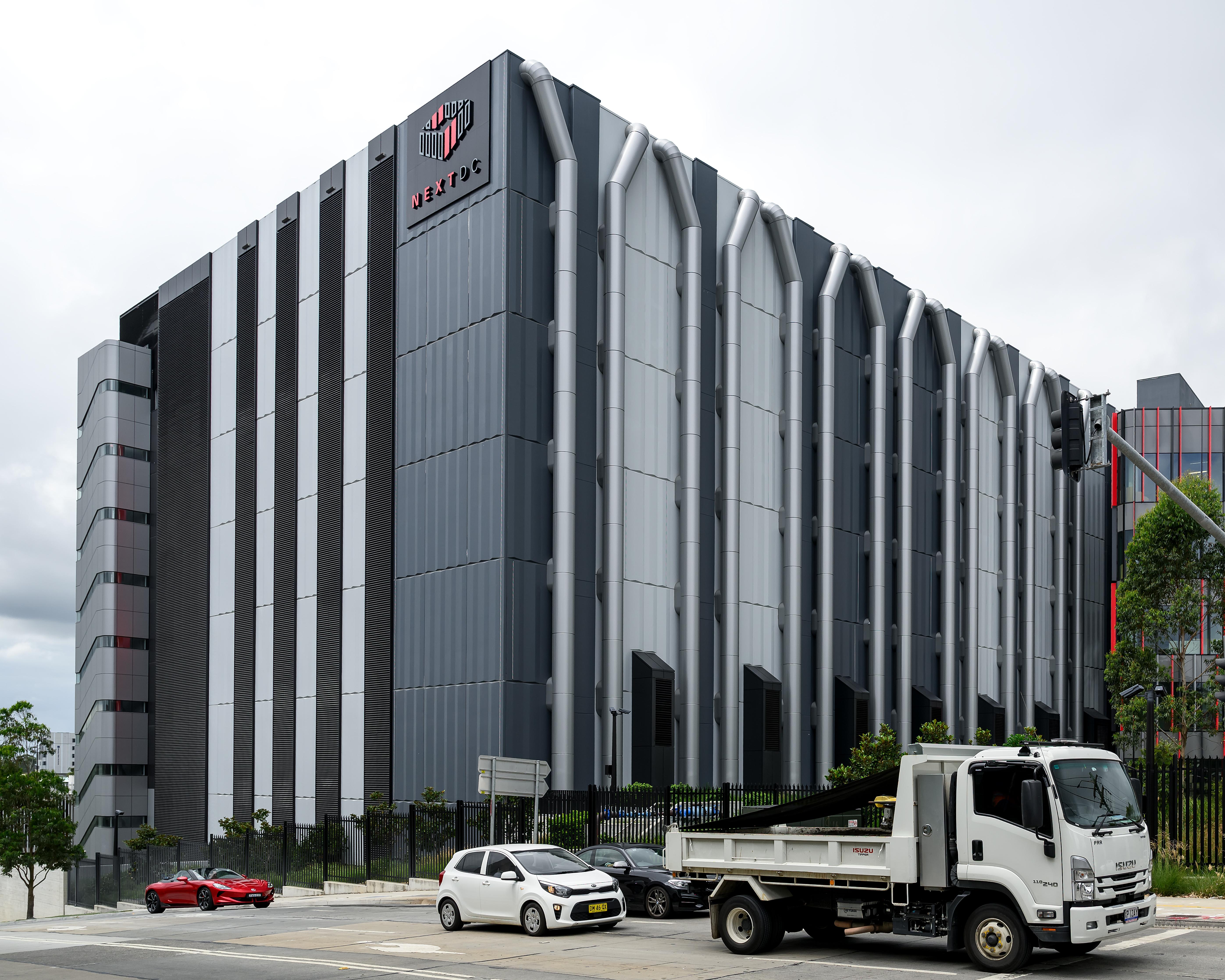
Australia’s economy grew by 0.3% in the March quarter of 2026, a figure largely propelled by a surge in private investment in machinery and equipment within the information technology and communications sector. According to data released this week, this investment was so significant that it exceeded total economic growth, offsetting a decline in net trade where imports of datacentre equipment surpassed exports. Without this specific surge, non-mining investment would have contracted in the quarter and shown only marginal growth over the preceding year.
The composition of this growth has drawn scrutiny from economists and environmental analysts. Greg Jericho, writing for The Guardian, noted that the boom is concentrated in machinery rather than new building construction. This distinction is critical because construction phases typically generate employment, whereas the operational phase of datacentres is designed to automate processes and minimise human labour. Consequently, analysts argue that residents should not expect a corresponding jobs boom from the ongoing expansion of these facilities.
Environmental concerns are mounting alongside the economic data. The Climate Council estimates that datacentre electricity consumption will rise from 2% of national usage currently to 6% by 2030 and 12% by 2050. Recent quarterly greenhouse gas emissions figures indicate that falling electricity emissions have been the primary factor in reducing overall emissions, excluding land use. Critics warn that unchecked datacentre expansion could derail Australia’s progress toward net zero emissions, potentially prolonging the use of polluting coal and gas power stations.
Household financial conditions deteriorated during the quarter, despite a nominal rise in spending. The increase in household expenditure was largely driven by higher electricity and gas bills following the expiration of government rebates. When adjusted for population growth, per capita household spending actually fell. Furthermore, real per capita household disposable income dropped by 0.7%, with nearly half of this decline attributed to increased interest rate payments.
The Reserve Bank of Australia raised interest rates twice during the quarter, a move that further reduced household living standards as families cut back on spending. While non-mining sector profits rose, mining profits fell, and net trade remained a drag on growth. The divergence between rising GDP figures and declining real incomes has prompted questions about whether traditional economic metrics adequately capture the impact of energy costs and environmental sustainability on Australian households.