CXMT IPO defies bubble narrative as AI demand fuels memory chip sector
Chinese memory chipmaker’s robust initial public offering is viewed as a signal of sustained demand for cheaper computing power, challenging concerns of a market top.
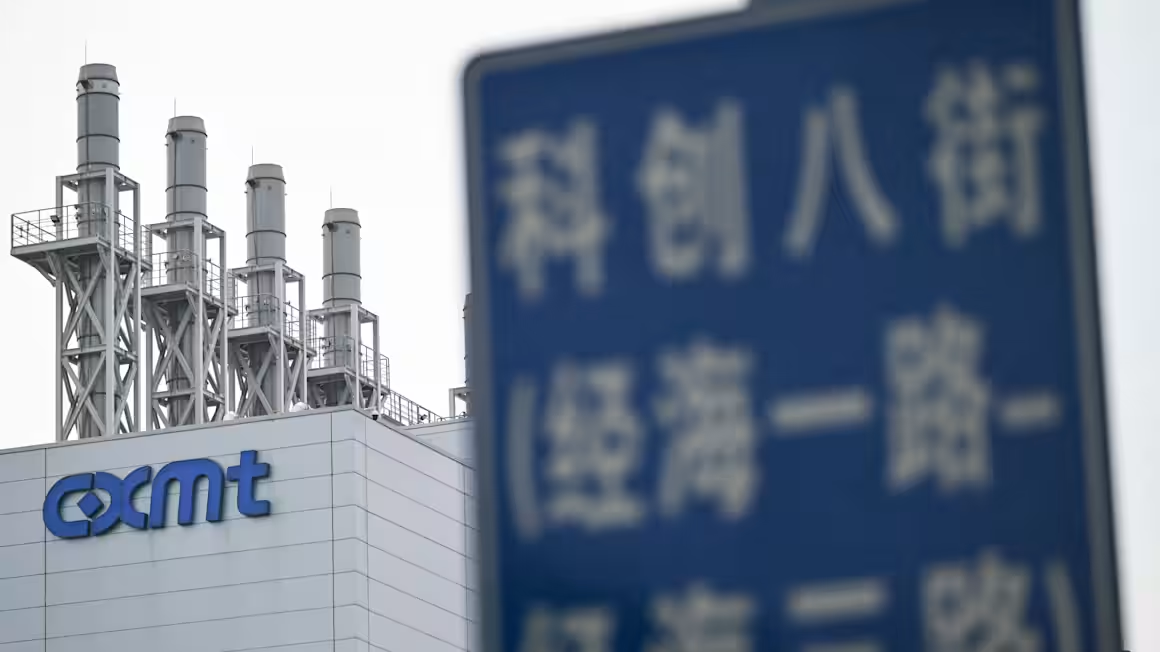
The strong initial public offering of Chinese memory chipmaker CXMT is not necessarily an indicator of a broader market bubble, according to analysis from the Financial Times. The publication suggests that the robust investor appetite for the company’s shares is grounded in the tangible growth of the artificial intelligence sector rather than speculative fervour.
The Financial Times argues that CXMT and its industry peers are positioned to continue benefiting from the evolving landscape of computing infrastructure. A key driver for this outlook is the expectation that the availability of cheaper computing power will stimulate increased demand for artificial intelligence applications, thereby supporting the revenue prospects of memory chip manufacturers.
This perspective frames the IPO as a reflection of fundamental industry dynamics rather than a symptom of financial instability. By linking the success of the offering to the downstream effects of reduced computing costs, the analysis implies that the semiconductor sector is responding to genuine utility demand from the AI industry.
While the broader market has seen significant activity, including the debut of SpaceX on the Nasdaq and heavy institutional buying of NVIDIA shares, the Financial Times maintains a distinct focus on the structural factors supporting CXMT. The analysis separates the memory chipmaker’s performance from general market sentiment, attributing its strength to specific sector tailwinds.
The publication’s stance offers a measured counterpoint to concerns that high-profile technology listings may signal a market peak. Instead, it highlights the potential for continued growth in the memory chip segment as artificial intelligence adoption accelerates and computing resources become more accessible.