Curing Alzheimer's requires political will and better diagnosis, not just science, says UCL researcher
Speaking at WIRED Health, the University College London chair argues that extending the timeline of cognitive decline is insufficient without improved blood biomarkers and increased investment in dementia services.
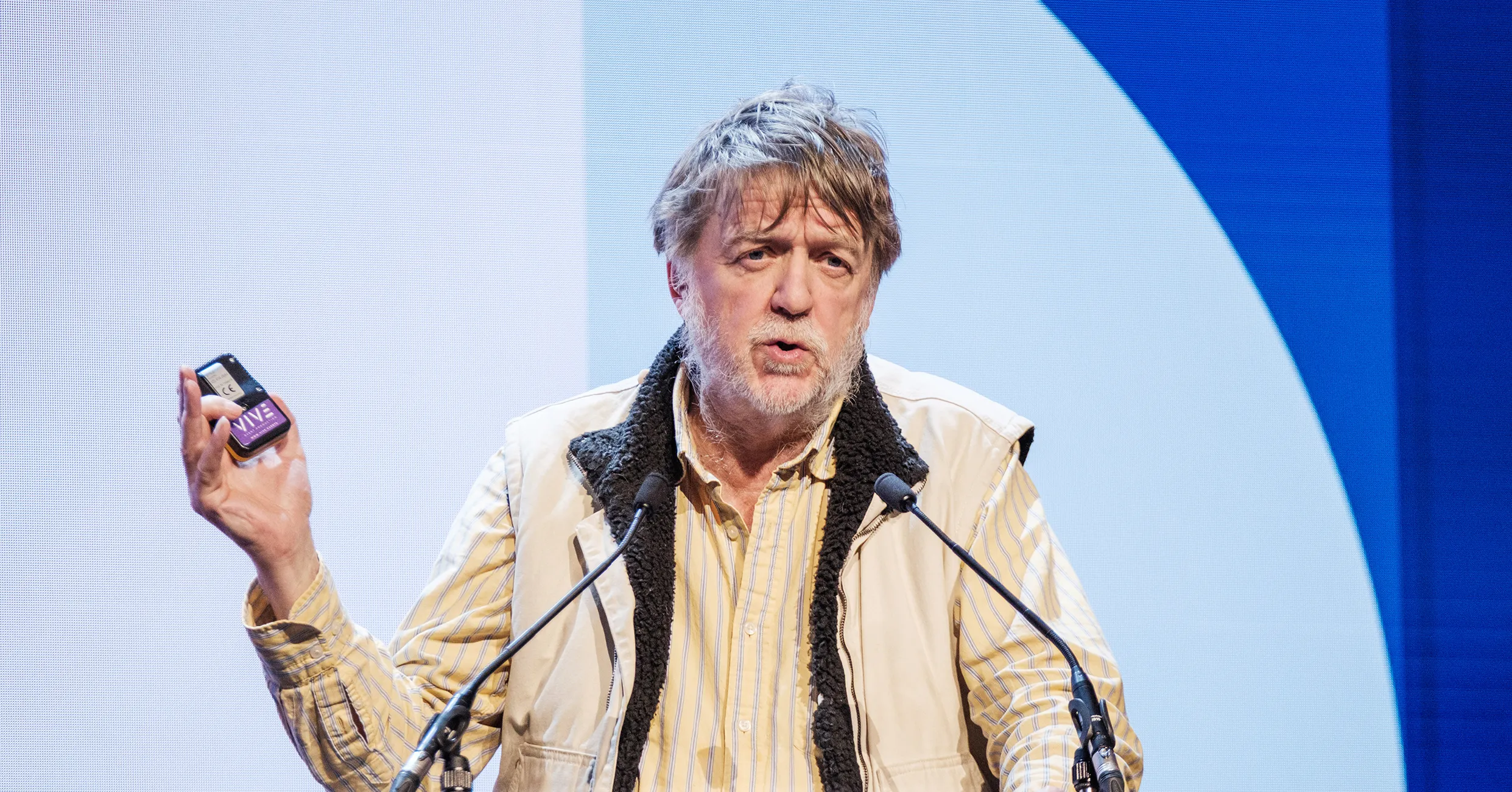
Pioneering Alzheimer's researcher John Hardy has warned that a cure for the disease cannot be achieved through scientific progress alone. The chair of the Molecular Biology of Neurological Disease at University College London stated that while new treatments offer hope, they do not halt disease progression and require significant political commitment to reach patients effectively.
Speaking at WIRED Health in April, Hardy highlighted that current amyloid-targeting drugs, including Lecanemab and Donanemab, extend the timeline of cognitive decline from approximately eight or nine years to about 11 or 12 years. However, he emphasised that these therapies remove existing amyloid deposits without stopping the underlying disease process. He noted that early scientific approaches failed because they did not target amyloid plaques in brains that already contained them, a mistake that newer drugs have since corrected.
A critical gap in the current diagnostic landscape remains, with Hardy reporting that only about 60 per cent of people diagnosed with general dementia actually have Alzheimer's disease. This lack of specificity outside specialist centres underscores the urgent need for improved diagnosis using blood biomarkers. He compared the potential of these blood tests to cholesterol measurements for heart disease, illustrating how chemistry could predict disease development long before symptoms appear.
Access to these life-changing therapies also varies significantly between nations. In the United States, Lecanemab is available via Medicare following FDA approval, whereas in the United Kingdom, access is currently restricted to private patients. Hardy argued that greater investment in dementia services is essential to ensure that treatments reach those who need them, regardless of their location or ability to pay.
Regarding future developments, Hardy indicated that trials for Gantenerumab initially failed but newer studies suggest that higher and longer doses may delay symptoms. He described this phase as very hopeful for the next type of treatment for Alzheimer's disease, though he maintained that making more efficacious versions of drugs and securing earlier diagnosis are ongoing priorities for the scientific community.
Reflecting on his work in the 1990s identifying the central role of amyloid protein in the disease, Hardy admitted his earlier optimism about how quickly discoveries would lead to cures has evolved. He now asserts that while scientists have things to do to improve drug efficacy, real progress depends on political change to invest in the infrastructure required for better diagnosis and care.
