Culture War Echoes: Nolan’s ‘Odyssey’ Casting Reignites Debate Over Homer’s Legacy
As Christopher Nolan’s upcoming film adaptation faces online criticism, scholars argue the outrage reflects anxieties about Western civilisation myths rather than historical accuracy.
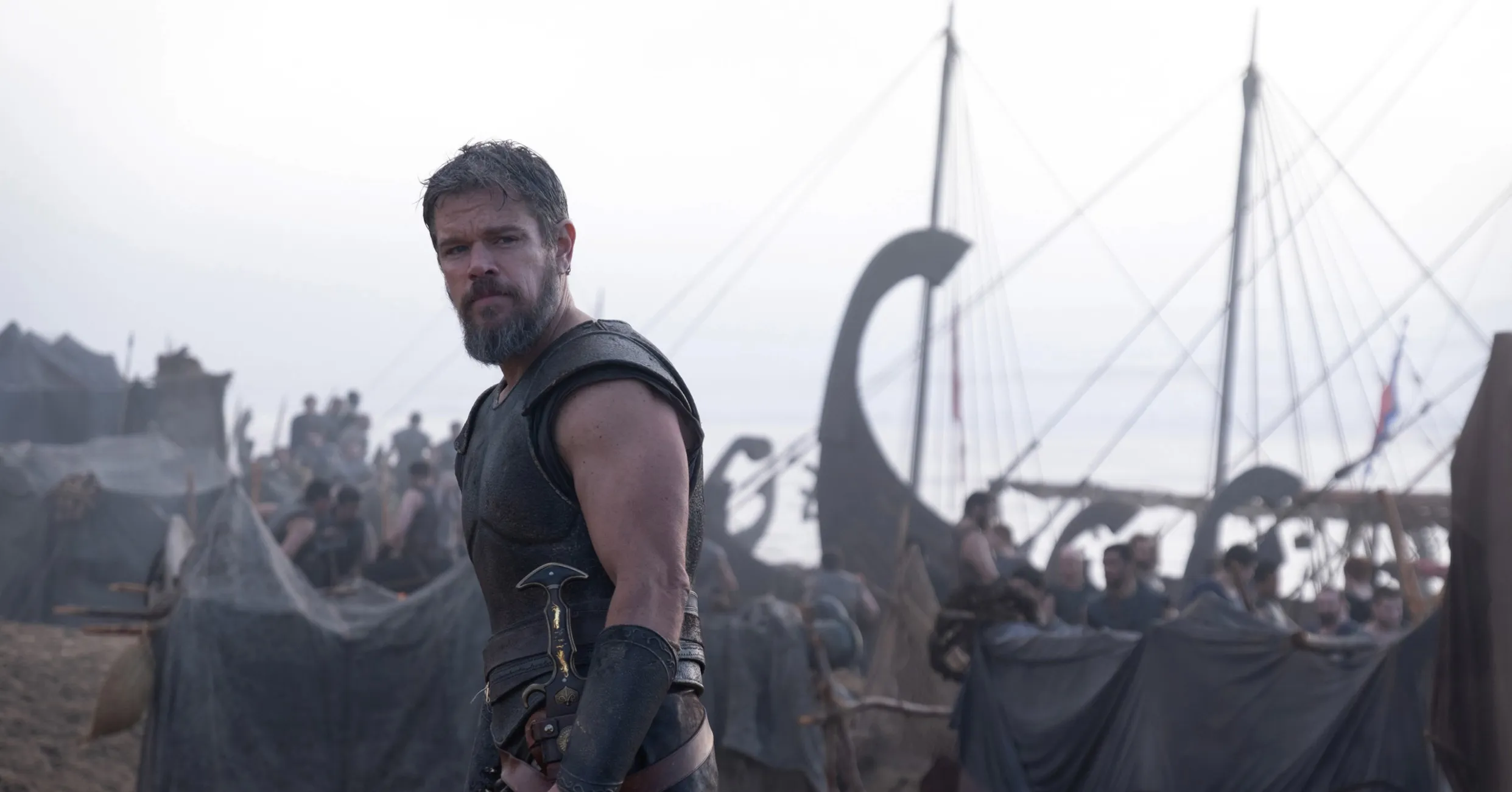
Christopher Nolan’s upcoming film adaptation of Homer’s The Odyssey is facing criticism from online right-wing commentators following the casting of Lupita Nyong’o as Helen of Troy. This reaction mirrors the backlash received by classicist Emily Wilson’s 2017 translation of the epic, which was labelled a “woke abomination” by internet critics. Wilson, who has experienced targeted harassment over her work, argues that such outrage stems from conservative anxieties regarding Western civilisation myths rather than historical accuracy.
The confirmation of Nyong’o’s casting in May, following earlier rumours, triggered a wave of online criticism. Reactions included a YouTuber suggesting Greece should sue Nolan, and X user Elon Musk claiming Nolan “has lost his integrity” and “desecrated the Odyssey” for Academy Award eligibility. The username @RomanHelmetGuy was identified as a critic contesting ideas of “Western culture”; he did not respond to requests for comment.
Wilson, now department chair of classical studies at the University of Pennsylvania, has long been familiar with these squabbles. Her 2017 translation was the first major translation of the epic by a woman and faced ire from “armchair classicists” who found her choice to describe Odysseus as “complicated” pejorative. Wilson, who deleted her X account in 2024 following targeted harassment, insists the term is not an insult but a reflection of the hero’s layered nature.
Academic critiques of Wilson’s work have also emerged. Richard Whitaker, a classicist at the University of Cape Town, published a critique distinguishing between “academic” and “creative” translations. He accused Wilson of anachronistic biases and argued that her translation affords undue sympathy to figures such as the cyclops, slaves, and servant women, avoiding the victim-blaming language found in previous translations.
Despite the controversy, Wilson maintains her approach was an effort to faithfully represent the original text. She aimed to match Homer’s original line count of 12,109 lines and transposed the dactylic hexameter into iambic pentameter. Her forthcoming essay collection, Crossing the Wine-Dark Sea: Journeys Through Ancient Literature, discusses the problem of translation and the unconscious grafting of contemporary values onto ancient texts.
Whitaker agrees that some vocal critics are driven by hysteria and a sense of threat to traditional interpretations. He notes that some conservative critics condemn innovations wholesale, interpreting them as a covert attack on traditional masculinity. Wilson, who is working on an expanded translation of The Odyssey, says Nolan has read her work and prefers to focus on the pleasures of the text rather than online toxicity.
The debate over The Odyssey highlights broader tensions regarding how ancient myths are interpreted in modern contexts. Wilson argues that the idea of “Western civilisation” is a historical invention developed to justify slavery and colonisation, rather than a representation of historical continuity. She suggests that undermining foundational myths disturbs modern assumptions about heroism and beauty, rather than reflecting any actual historical inaccuracy.
