CTA data reveals sharp decline in Tibetan exiles as Beijing tightens security
Enhanced surveillance and diplomatic pressure on Nepal have severely restricted transit routes, raising concerns about the future of the exile community and cultural preservation.
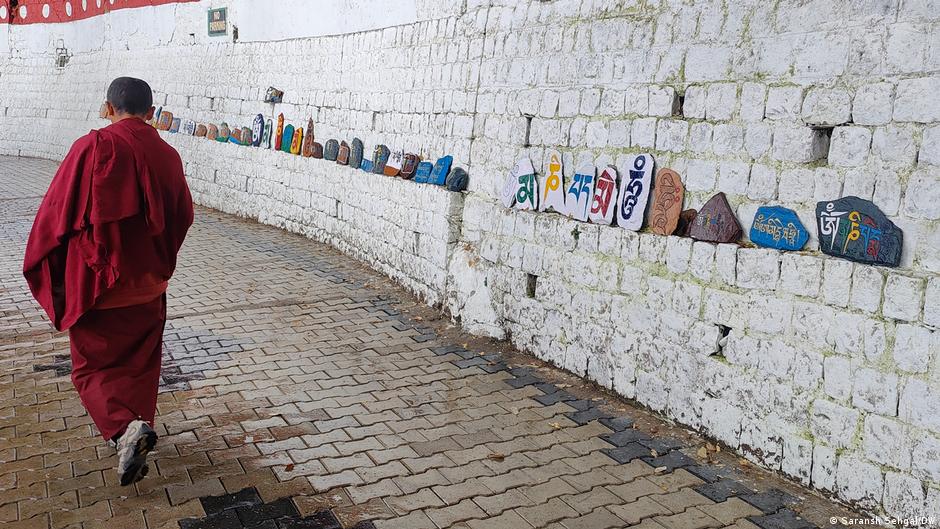
Data released by the Central Tibetan Administration (CTA) indicates a precipitous decline in the number of Tibetans seeking exile, with figures dropping from over 12,000 between 1995 and 1999 to just 81 in the past five years. The CTA, based in Dharamsala, attributes this trend to tightened Chinese security measures, including high-tech surveillance and border enforcement, as well as increased diplomatic pressure on Nepal to restrict transit routes. This reduction in new arrivals raises concerns among observers regarding the preservation of Tibetan culture and the long-term viability of the exile community.
From the late 1990s through the mid-2000s, several thousand Tibetans sought exile annually, providing firsthand accounts of conditions inside Tibet. However, the steepest drop in numbers began after large-scale protests in 2008, which prompted a heavy security response from Chinese authorities. Lobsang, a Tibetan exile who left in 2010, stated that the security architecture within Tibet has undergone a "total transformation" since that period, featuring a high-tech surveillance web monitoring villages, monasteries, and households.
Atul Kumar, a fellow at the Delhi-based Observer Research Foundation (ORF), noted that Beijing has exerted heavy diplomatic pressure on Kathmandu, leading to increased surveillance activity and cooperation between Nepalese border police and Chinese authorities. Nepal previously allowed Tibetans safe passage to India under an informal agreement mediated by the UN refugee agency (UNHCR), but has increasingly aligned its border policies with Beijing's preferences due to growing economic and geopolitical influence.
Human rights organisations, including Amnesty International and Human Rights Watch, have documented increased restrictions on movement, religious activity, and communication in Tibetan regions alongside Beijing-backed development projects. A newly arrived Tibetan woman, speaking anonymously, described the cost of escape as shifting from physical risk to "total social and familial erasure," highlighting the severe consequences for those attempting to leave.
The decline in exiles coincides with discussions regarding the succession of the 14th Dalai Lama and the challenge of maintaining relevance with younger generations of Tibetans raised in a different social and economic reality. The exile community in Dharamsala has traditionally been sustained by continuous human contact with Tibet, supporting schools, monasteries, and community networks, a model now under significant strain.