Cruz and Cantwell prepare bipartisan college sports legislation ahead of Trump deadline
Senators Ted Cruz and Maria Cantwell are finalising a comprehensive package to regulate college athletics, driven by an August deadline set by President Donald Trump’s executive order.
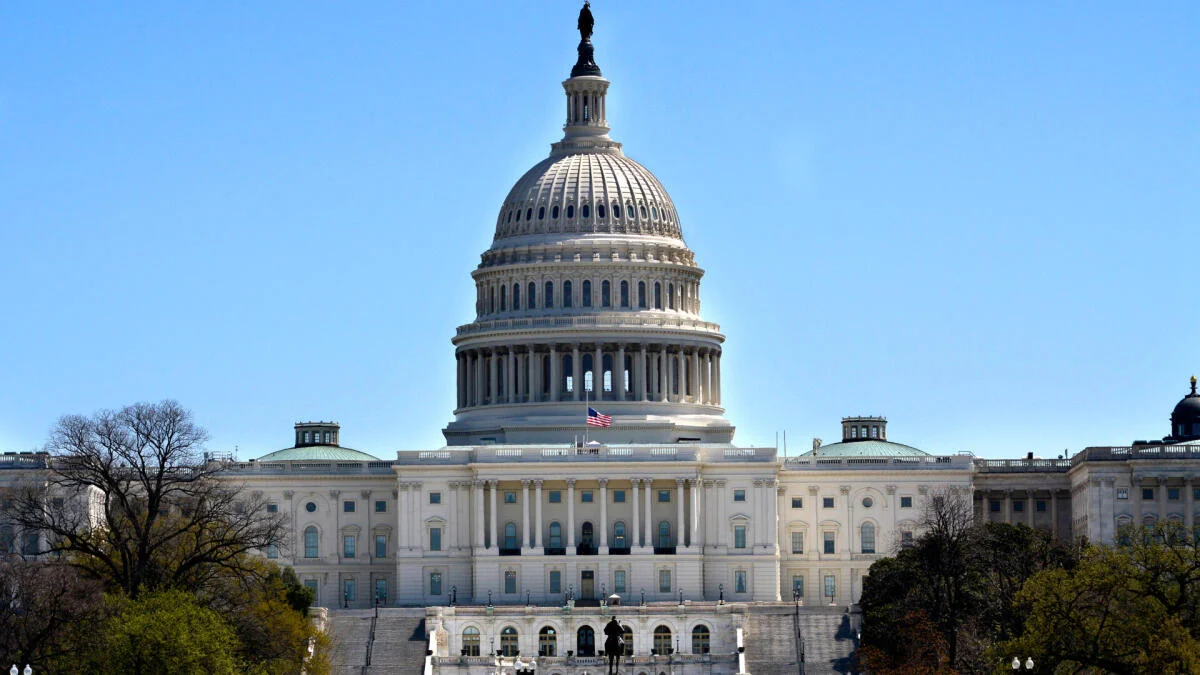
Senators Ted Cruz and Maria Cantwell are expected to introduce a bipartisan bill on college sports within days, marking the latest legislative push to restructure the National Collegiate Athletic Association. The legislation, which is currently moving through the standard pre-introduction process, aims to establish a federal framework for an industry that has long operated under self-governance. The introduction is being accelerated by a deadline set by President Donald Trump’s executive order, which requires new national rules to be in place by 1 August or face the threat of withheld federal funding.
The proposed bill would grant the NCAA a limited antitrust exemption regarding player eligibility and transfer rules, providing the legal shield necessary for the organisation to enforce its own standards without court challenges from athletes. Alongside this exemption, the legislation introduces a hard, enforceable salary cap on player compensation. This provision is designed to prevent circumvention of the system through Name, Image, and Likeness (NIL) deals, specifically targeting workarounds involving multimedia rights holders and associated entities that have allowed universities to supplement player pay beyond permitted revenue-sharing limits.
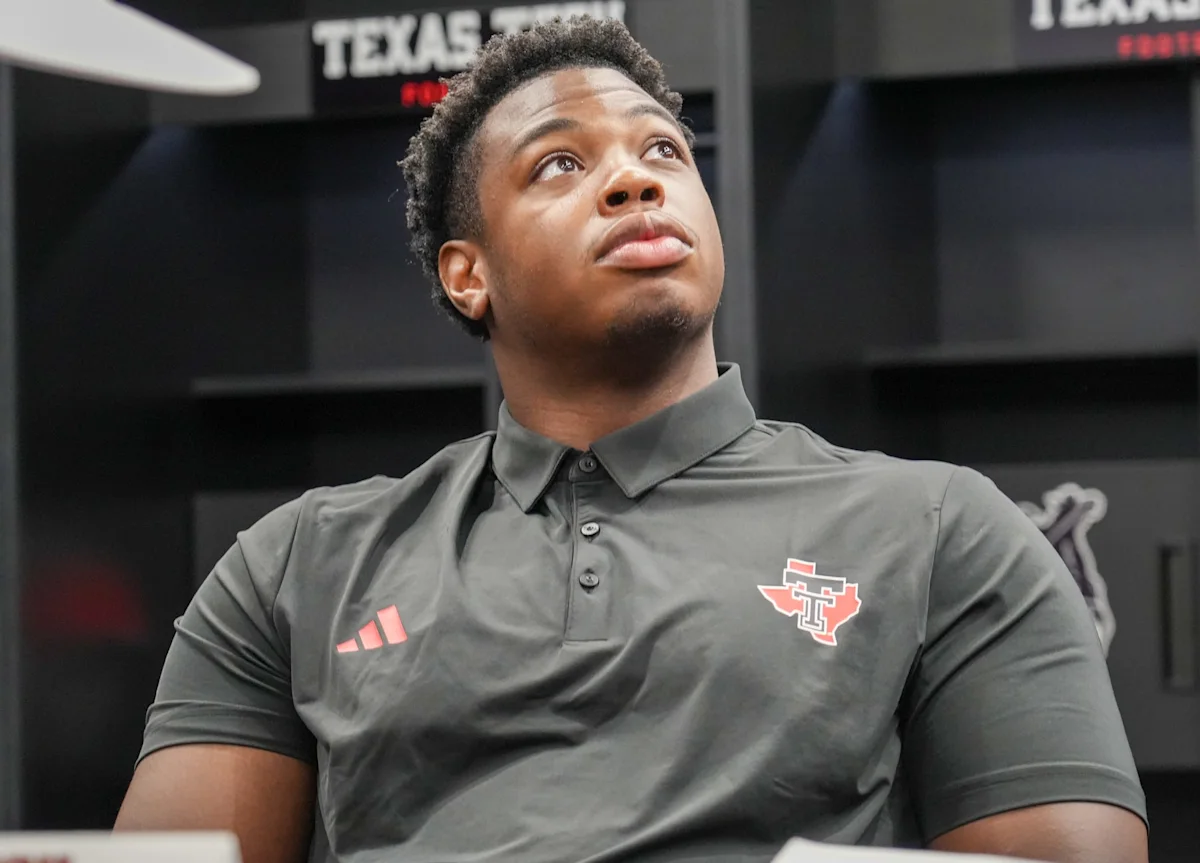
While the bill would not cap legitimate, true-market NIL deals, it seeks to eliminate fraudulent schemes that bypass established guardrails. The College Sports Commission, tasked with policing these agreements, has recently faced scrutiny after winning an arbitration hearing regarding contracts for 18 Nebraska football players deemed tied to an associated entity. Texas A&M athletic director Trev Alberts highlighted the tension between governance and rebellion within the sport, noting that schools have created a choice between adhering to rules or rejecting them entirely.
A significant component of the legislation is the provision for media rights pooling, which would allow schools and conferences to combine their broadcast inventory and sell it collectively. Backers estimate this mechanism could generate more than $9 billion in new revenue, with specific safeguards intended to protect scholarships in women’s and Olympic sports. The bill also addresses player mobility, potentially limiting transfers to one per career, and may include caps on coaching salaries, a topic previously circulated by a presidential committee.
The path to enactment remains fraught with political and institutional hurdles. House leadership previously pulled the NCAA-backed SCORE Act after opposition from the Congressional Black Caucus, and several major conference commissioners, including SEC’s Greg Sankey and Big Ten’s Tony Petitti, have declined to endorse the current bill without seeing the final draft. If federal legislation fails to pass before the Senate’s summer recess, leaders from the Big Ten and SEC have discussed the possibility of implementing their own conference-level bylaws, which could lead to further fragmentation in college athletics.