Crude prices ease as Saudi Arabia moves to restore East-West pipeline
Oil benchmarks declined on Thursday as Riyadh signalled a partial reopening of a key supply route, while US data confirmed robust transit through the Strait of Hormuz.
Crude oil and gasoline prices fell on Thursday as market participants reacted to signs that supply disruptions in the Middle East are easing. October WTI crude oil futures dropped 1.75 per cent, while October RBOB gasoline futures declined 0.55 per cent. The retreat follows a sharp rally earlier in the week, when crude prices hit a 3.75-month high on fears that global oil supplies would tighten further.
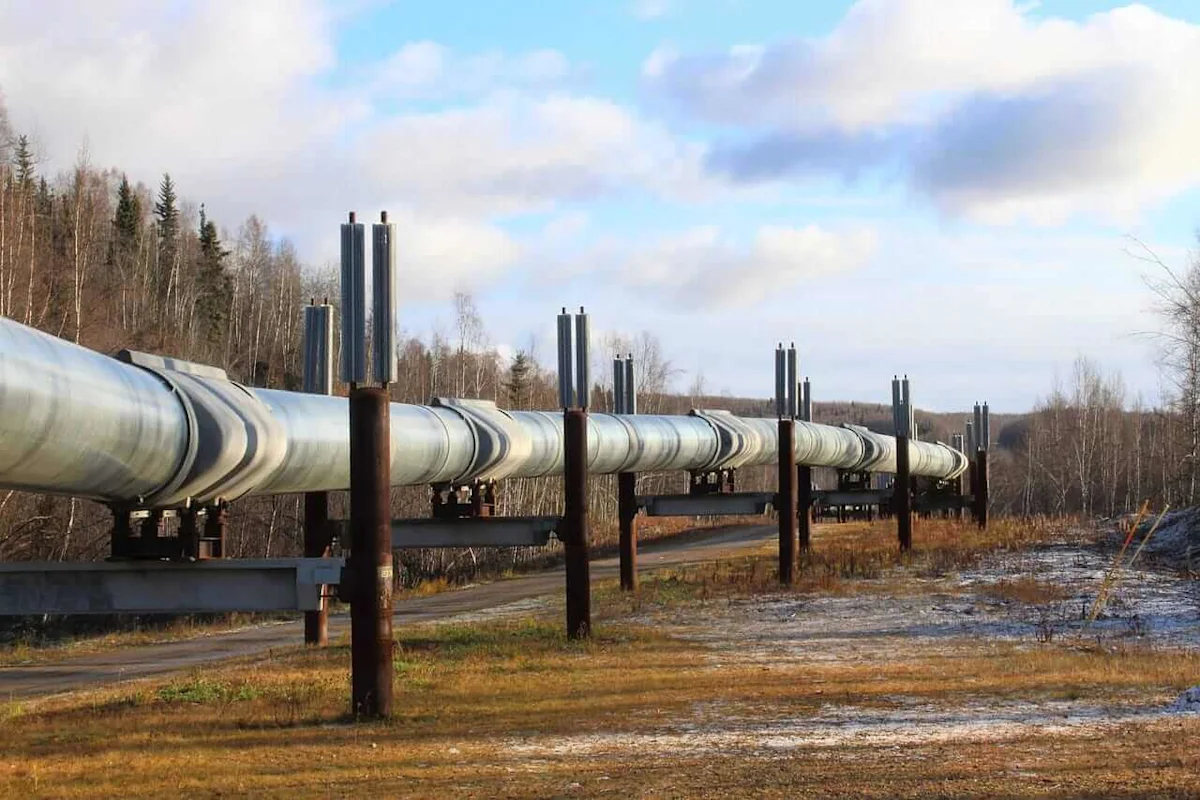
The price correction was driven largely by Saudi Arabia’s announcement that it seeks to restore approximately half the capacity of its East-West pipeline within days. The 750-mile pipeline, which carries seven million barrels per day, had been closed late last Friday as a precaution following drone strikes by Houthi rebels. The route moves oil away from the Persian Gulf toward the Red Sea, allowing for tanker loading, and its closure had previously forced Saudi Aramco to delay deliveries to some European customers.
Further alleviating global supply concerns, US Energy Secretary Chris Wright noted that 18 million barrels of crude oil and refined products passed through the Strait of Hormuz on Tuesday. This data point suggests that the critical waterway remains a functional artery for global energy trade, despite the broader regional instability.
However, underlying tensions continue to support price floors. Yemen’s Houthi rebels have strengthened their position to attack ships in the Red Sea after capturing islands near the Bab-al-Mandeb Strait. This follows the seizure of Perim Island and the Red Sea port city of Mokha. Additionally, Vitol Group reported a loss of about two million barrels per day from Middle East crude exports and a further two million barrels per day from Russia due to Ukrainian drone attacks.
Domestic US data also contributed to the downward pressure on prices. Wednesday’s Energy Information Administration report showed that crude inventories fell less than expected, while gasoline and distillate supplies rose more than expected. US crude oil production in the week ending 11 September fell slightly to 13.944 million barrels per day, remaining just below the record high set in the previous week.
Looking ahead, the International Energy Agency warned that high oil prices and restricted supply will cause the biggest drop in global oil demand this year since the pandemic. Despite this, the agency raised its estimate for this year’s global oil deficit to 1.7 million barrels per day, delaying the return of a global oil surplus until 2027. OPEC delegates have approved a final increase of 188,000 barrels per day in crude production for September, restoring all 1.65 million barrels per day of the 2023 supply cutback.