Crude oil and gasoline hit two-week highs as US-Iran tensions tighten global supplies
Geopolitical escalation, including Pakistani troop deployments and drone incidents in the Gulf, underpins a market the International Energy Agency warns will remain severely undersupplied until October.
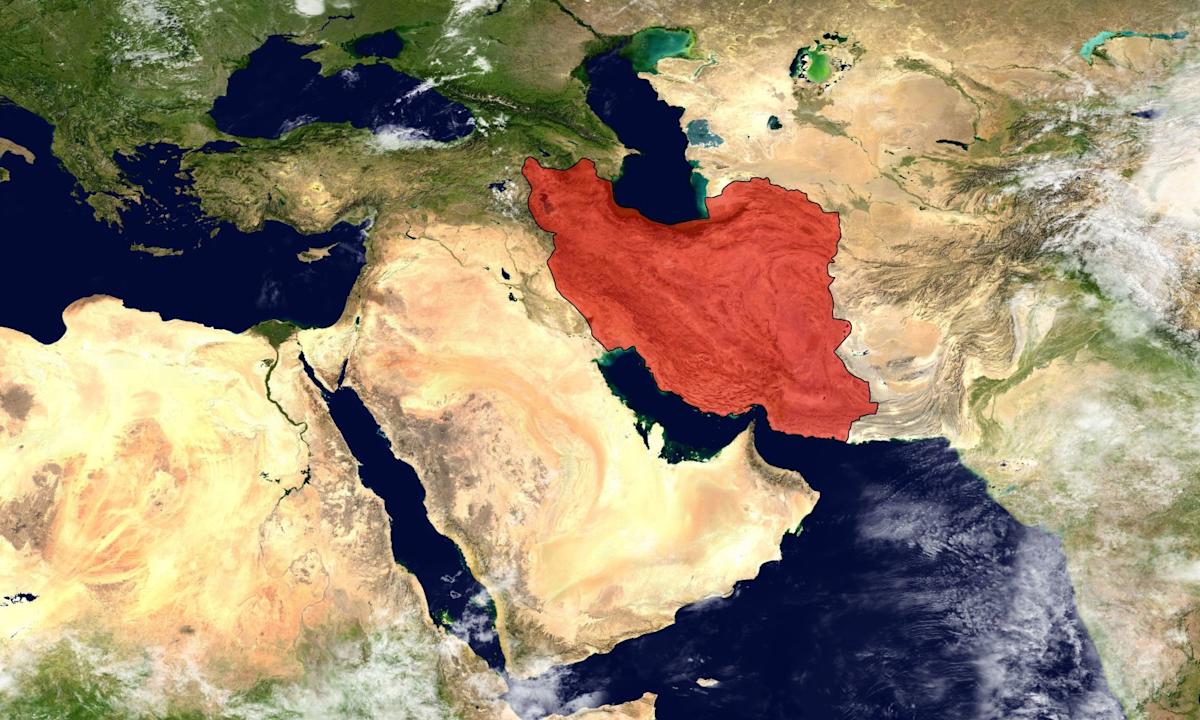
June WTI crude oil and RBOB gasoline prices have surged to two-week highs, driven by a lack of progress in US-Iran peace negotiations that have effectively kept the Strait of Hormuz closed. The disruption to this critical chokepoint, through which approximately one-fifth of the world’s oil and liquefied natural gas transits, has tightened global supplies and elevated energy costs. June WTI crude oil rose by 1.38 per cent, while June RBOB gasoline increased by 1.19 per cent.
Market sentiment was further bolstered by escalating rhetoric from President Trump, who warned that the clock was ticking on Iran and urged a rapid resolution to the conflict. Tehran rejected US demands as excessive and unrealistic, deepening the diplomatic impasse. Geopolitical risks have intensified with reports that Pakistan has deployed 8,000 troops, fighter jets, and an air defence system to Saudi Arabia under a mutual defence pact. Additionally, drone incidents were reported at the Barakah nuclear plant in the UAE and in Saudi airspace, where three drones were intercepted.
The International Energy Agency (IEA) issued a stark warning in its latest monthly report, stating that the global oil market would remain severely undersupplied until October. The agency noted that observed oil inventories declined by approximately 4 million barrels per day in March and April. Goldman Sachs estimates that crude output in the Persian Gulf has been curtailed by about 14.5 million barrels per day, drawing down nearly 500 million barrels from global stockpiles, a figure that could reach one billion barrels by June.
Despite the supply constraints, OPEC+ has signalled its intention to increase production quotas. The cartel aims to complete the return of halted oil production by the end of September, having already agreed to restore about two-thirds of the 1.65 million barrels per day supply cutback made in 2023. However, actual production remains depressed, with OPEC’s April crude output falling by 420,000 barrels per day to a 35-year low of 20.55 million barrels per day, as Middle Eastern producers are forced to cut output due to local storage capacity limits.
In the United States, inventory data reflects the tight market conditions. The latest EIA report showed that US crude oil inventories as of May 8 were 0.3 per cent below the five-year seasonal average, while gasoline and distillate inventories were significantly lower. US crude production rose slightly to 13.71 million barrels per day, and active oil rigs increased by five to 415 for the week ended May 15. Meanwhile, tensions in Europe continue to impact supplies, with Ukrainian attacks on Russian refineries limiting export capabilities and keeping restrictions on Russian crude in place.