Crude and Gasoline Prices Surge as Hormuz Closure Deepens Supply Shock
June WTI crude oil closed up 2.78% and RBOB gasoline rose 2.07% following the rejection of peace proposals between President Trump and Iran, prolonging the Strait of Hormuz closure and curtailing Persian Gulf output by 14.5 million barrels per day.
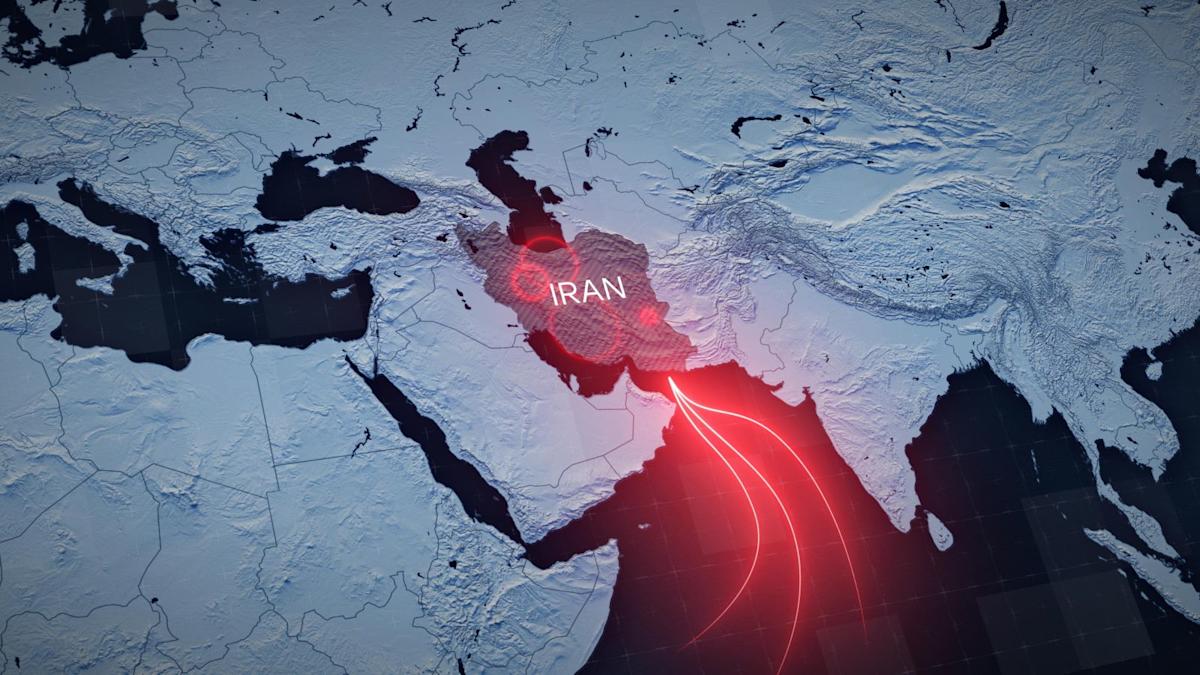
June West Texas Intermediate crude oil (CLM26) closed up $2.65, or 2.78%, on Monday, while June RBOB gasoline (RBM26) rose $0.0731, or 2.07%. The sharp settlement higher follows President Trump’s rejection of Iran’s latest peace proposal, a move that has prolonged the closure of the Strait of Hormuz and exacerbated global oil supply constraints. The diplomatic breakdown comes after Iran offered to transfer some highly enriched uranium to a third country but refused to dismantle its nuclear facilities, while simultaneously demanding the lifting of the US naval blockade and sanctions relief.
The ongoing conflict has severely impacted energy infrastructure, with Goldman Sachs estimating that crude output in the Persian Gulf has been curtailed by approximately 14.5 million barrels per day. This disruption has drawn down nearly 500 million barrels from global crude stockpiles, a figure that could reach one billion barrels by June. Persian Gulf producers have been forced to cut production by roughly 6% as local storage facilities reach capacity, further tightening the market.
The International Energy Agency reported last Thursday that about 14 million barrels per day of global oil supply has been shuttered due to the Iran war and the closure of the Strait of Hormuz. The agency noted that more than 80 energy facilities have been damaged during the conflict, with a full recovery potentially taking as long as two years. Consequently, energy prices remain underpinned as the US-Iran war continues to restrict the flow of oil and liquefied natural gas, a significant portion of which transits through the strait.
Despite the supply shock, OPEC+ announced on May 3 that it will boost crude output by 188,000 barrels per day in June, following a 206,000 barrel per day increase in May. However, this production hike appears unlikely to materialise given that Middle Eastern producers are being forced to cut output due to the war. OPEC’s April crude production fell by 420,000 barrels per day to a 35-year low of 20.55 million barrels per day, as the group attempts to restore all of the 2.2 million barrels per day production cut it made in early 2024.
Compounding the supply tightness, the Russia-Ukraine conflict continues to restrict Russian oil exports. Ukrainian drone and missile attacks have targeted at least 30 Russian refineries over the past ten months, limiting export capabilities and reducing global oil supplies. Ukrainian strikes on Russian refineries, export terminals, and oil pipeline infrastructure in April knocked Russia’s average refinery runs to 4.69 million barrels per day, the lowest in 16 years. Meanwhile, US and EU sanctions on Russian oil companies and infrastructure have further curbed exports, keeping the outlook for continued restrictions bullish for oil prices.