Court records reveal ICE racial profiling in New York street arrests
Data indicates 93 per cent of arrests involved Latinos despite comprising 66 per cent of the undocumented population, aligning with a Supreme Court ruling permitting such tactics.
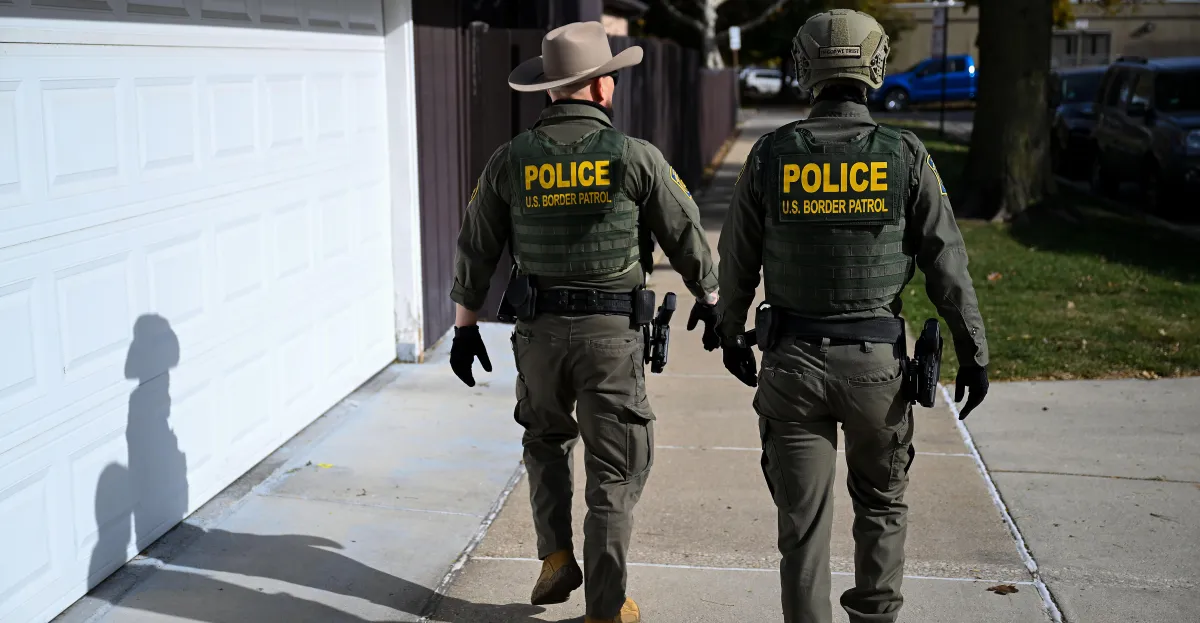
An investigation by New York-based nonprofit The City has uncovered that US Immigration and Customs Enforcement (ICE) agents disproportionately targeted Latinos during street arrests in the New York metropolitan area between October 2025 and mid-March 2026. Court records reviewed by the organisation reveal that 93 per cent of 430 recorded street arrests involved individuals of Latino descent, a figure that significantly exceeds their representation of approximately 66 per cent within the local undocumented population.
The data indicates that agents frequently detained individuals based on perceived physical resemblance to intended targets, often apprehending people with no criminal records or outstanding deportation orders. In one instance documented in February, agents searched a Staten Island block for a 25-year-old Mexican man, detaining three other men based on loose resemblance or presence. One detainee reported being subjected to racial slurs by agents during the arrest, highlighting the discriminatory nature of the enforcement tactics employed on the ground.
This pattern of enforcement coincides with a broader shift in strategy following widespread backlash to high-profile raids in other jurisdictions. Reports suggest that DHS Secretary Markwayne Mullin, who replaced Kristi Noem, directed ICE to adopt a quieter, more targeted approach to avoid public scrutiny. This tactical pivot from high-profile courthouse arrests to street-level operations allows agents to operate with greater discretion, although the underlying reliance on racial profiling remains evident in the arrest statistics.
The surge in street-level enforcement is supported by a significant expansion of 287(g) agreements, which deputise local police for immigration duties. As of February 2026, there were 1,412 active partnerships nationwide, with the Trump administration offering financial incentives including monthly bonuses of up to $1,000 for officers participating in the task force model. This expansion facilitates local law enforcement assistance in immigration enforcement, particularly in states such as Texas and Florida, where legislation mandates cooperation with federal authorities.
Legal challenges to these practices face significant hurdles following a recent Supreme Court ruling that permits racial profiling in immigration enforcement. The court’s decision allows agents to stop individuals based on apparent race, ethnicity, language, or accent, effectively legitimising the tactics observed in New York. Consequently, detainees face logistical difficulties when transferred to remote jurisdictions, complicating their ability to file habeas corpus petitions and seek release from custody.
