Court dismisses Charles Oakley assault claim against Madison Square Garden
MSG announces plans to pursue legal action against Oakley’s legal team for frivolous litigation as the dispute enters its third dismissal.
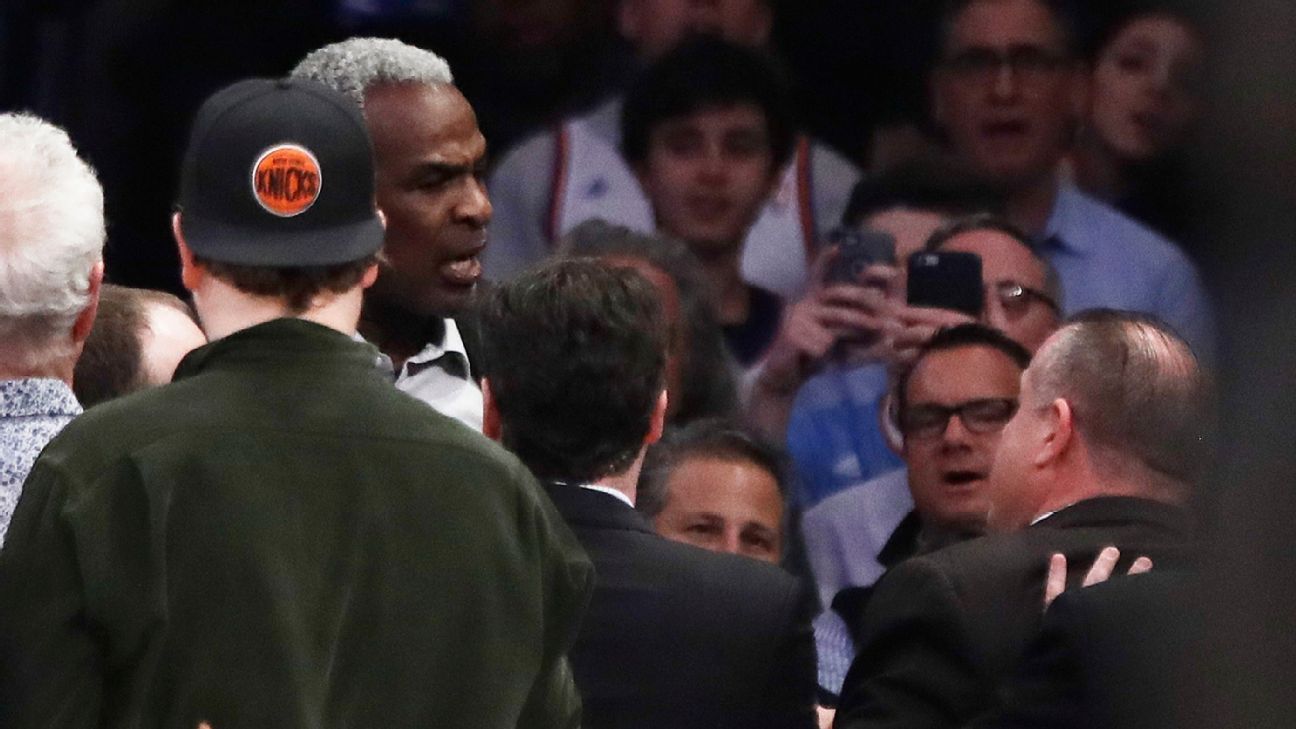
A judge in the Southern District of New York has dismissed former New York Knicks player Charles Oakley’s assault and battery claim against Madison Square Garden (MSG), ruling that Oakley failed to produce sufficient evidence to support his allegations. Judge Richard J. Sullivan determined that the former All-Star did not prove he was assaulted by security guards during a 2017 altercation at a game against the Los Angeles Clippers.
The ruling marks the third time Oakley’s claims have been rejected by the court. While Oakley initially brought several legal actions following his arrest and handcuffing near owner James Dolan, most were dismissed in February 2020. Only the assault-and-battery claim survived previous appeals before this latest decision effectively closed the matter at the district level.
In his written decision, Judge Sullivan cited video evidence and witness testimony, including Oakley’s own account, which indicated the former player had a reasonable opportunity to leave the venue. The judge noted that Oakley instead resorted to physical violence and was never pushed to the ground, concluding that no rational jury could find he reasonably feared wrongful physical contact or that MSG intended to cause such apprehension.
MSG described the dismissal as a vindication against what it characterised as a prolonged legal campaign. In a statement, the organisation asserted that Oakley’s lawyers had pursued claims they knew were false for more than nine years. MSG announced it is now pursuing legal action against Oakley’s attorney, Douglas Wigdor, and his firm, alleging frivolous litigation and an abuse of the judicial system.
Oakley’s legal team expressed disappointment with the ruling and indicated they hope the Second Circuit Court of Appeals will remand the case for a jury trial. Wigdor stated in an email that there are conflicting accounts of the incident and that only a jury can determine the facts, maintaining that the case warrants a trial despite the judge’s findings.