Cornell researchers document 5.5 million bee colony beneath New York cemetery
An estimated 5.5 million Andrena regularis mining bees have been identified nesting under East Lawn Cemetery in Ithaca, offering critical pollination services to local orchards while underscoring the need to protect subterranean habitats from development.
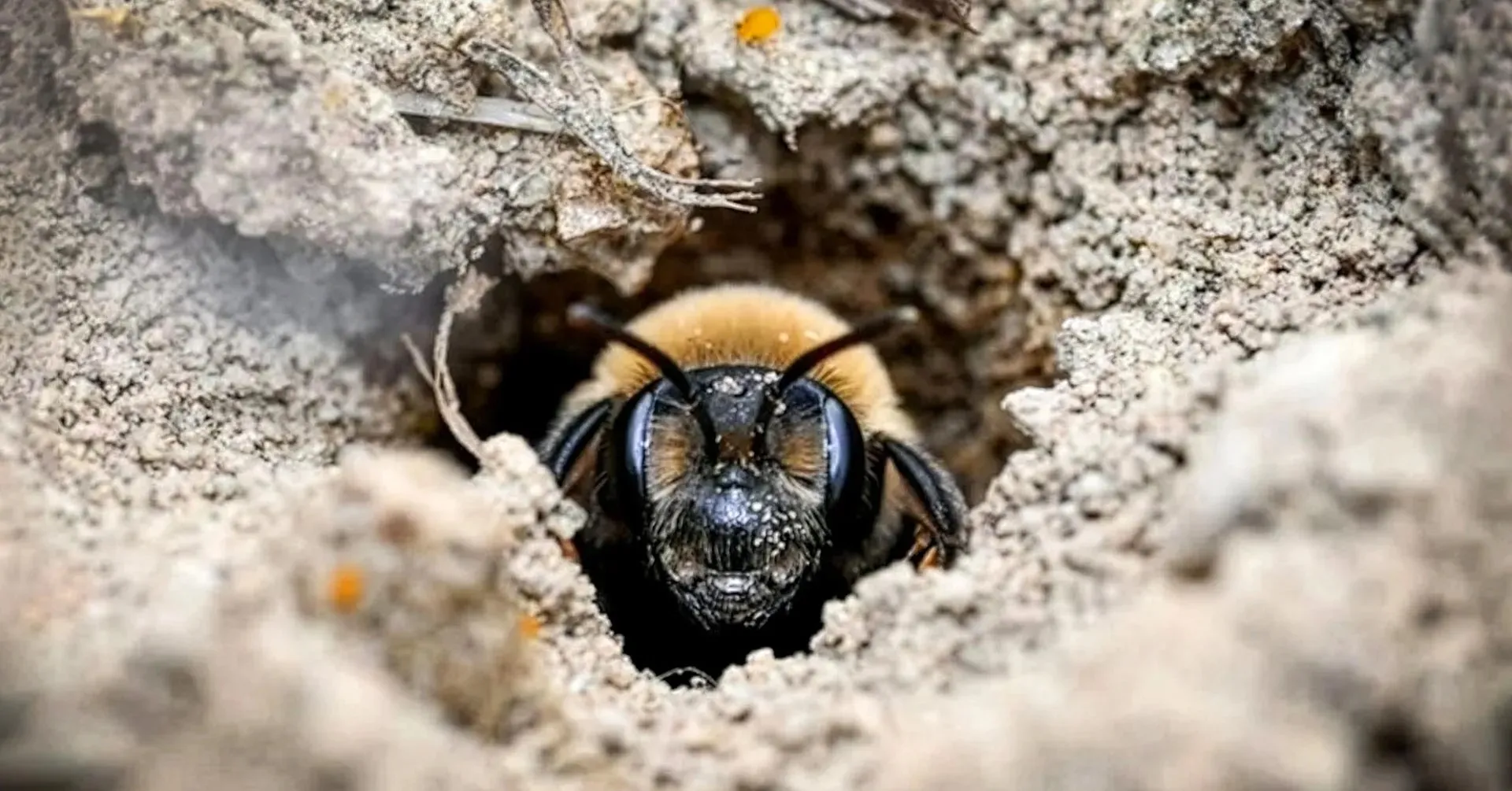
A research team from Cornell University has documented an estimated population of 5.5 million Andrena regularis bees nesting beneath East Lawn Cemetery in Ithaca, New York. The discovery, published in April in the journal Apidologie, identifies one of the largest aggregations of this solitary mining bee species ever recorded. The colony occupies approximately 1.25 acres and has been present in the cemetery since at least the early 1900s.
The investigation began in the spring of 2022 when Rachel Fordyce, a laboratory technician at Cornell University, noticed an anomalous presence of insects during her walk to work. After collecting specimens, she presented them to Bryan Danforth, an entomologist at the university, who identified them as Andrena regularis. Unlike social honey bees, this wild species lives a solitary lifestyle, nesting by digging tunnels in the ground.
To calculate the colony size, scientists placed 10 traps in the cemetery between late March and mid-May 2023. These devices sampled over 3,000 insects across 16 species, with an overwhelming prevalence of Andrena regularis. Extrapolating from the average density found in the traps, the researchers estimated a total population ranging from 3 million to 8 million, with 5.5 million as the average figure.
The bees play a crucial role in pollinating nearby orchards, particularly apple trees, due to their early spring emergence. The species winters as adults underground, allowing them to become active in synchrony with the flowering of nearby Cornell University orchards. Monitoring also revealed complex ecological dynamics, including parasitism by Nomada imbricata, a bee species that lays its eggs in the nests of the host species.
Historic cemeteries often provide ideal conditions for wild bees, including sandy soils, absence of pesticides, and protection from the alterations typical of intensive agriculture or housing development. To prevent populations of this magnitude from being accidentally destroyed by concrete pours or road work, the study authors have launched a global citizen science initiative to help protect such nesting sites.
