Conservative Influencers Clash Over Message of New 'Animal Farm' Adaptation
The animated film, directed by Andy Serkis and released by Angel Studios, has sparked outrage among figures who expected a clear endorsement of capitalism, despite the story's focus on authoritarianism.
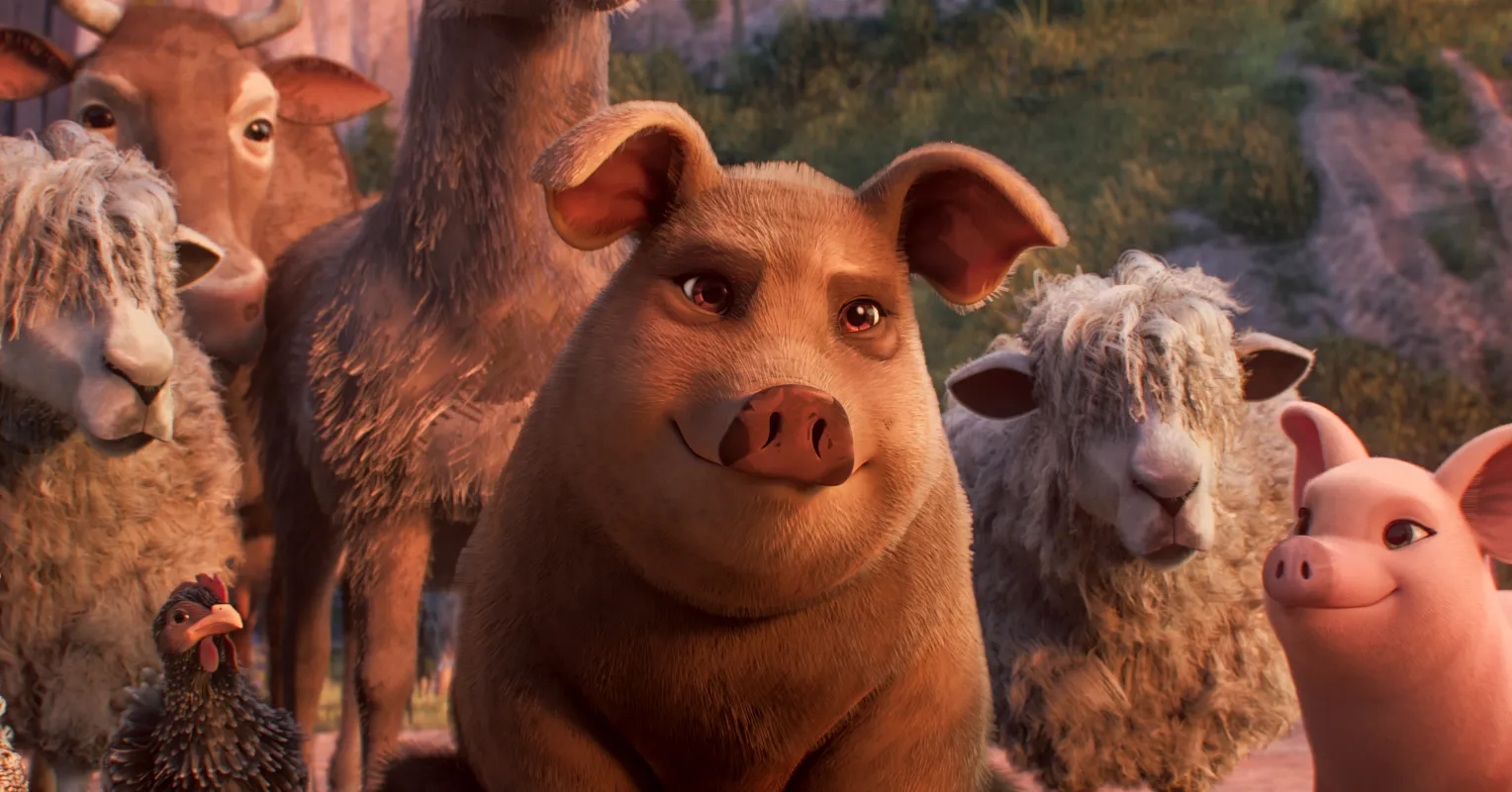
Right-wing influencers, including Riley Gaines and Tim Pool, have expressed confusion and outrage over the new animated adaptation of George Orwell's *Animal Farm*. While some figures promoted the film as an endorsement of anti-Marxist themes, critics and the text of the novel itself suggest the story critiques power corruption rather than endorsing capitalism. The film, directed by Andy Serkis and released by Angel Studios, currently holds a 23 per cent rating on Rotten Tomatoes.
The controversy began when influencer Riley Gaines tweeted on 28 April that the film was "incredibly well done" and reminded viewers that "Marxism always has and always will fail," using the hashtag #AnimalFarmPartner. This led to assumptions of a paid partnership with Angel Studios, though the nature of the endorsement remains a point of contention. The Utah-based entertainment company, which is also behind faith-based blockbusters such as *Sound of Freedom* and *The King of Kings*, is distributing the film.
Conservative commentators have reacted negatively to Gaines's promotion, with podcaster Tim Pool claiming the film is "pro communism and anti-capitalism" and stating he turned down an offer to promote it. Peachy Keenan has described the film as "retarded socialist propaganda." These reactions stem from a misunderstanding of the source material, which is less of a condemnation of specific systems of governance and more a critique of mankind's lust for power and blind adherence to ideology.
In the latest adaptation, director Andy Serkis tweaked the plot by adding a greedy human character voiced by Glenn Close who wishes to buy the farm. This addition characterises the narrative as "about authoritarianism and power corrupting," a message that, in theory, would resonate with 2026 audiences. However, the film's actual reception contrasts sharply with the high-profile promotion by certain influencers, who seem unable to accept the ambiguity inherent in Orwell's political satire.
The film is scheduled to open in cinemas on 1 May. Despite the confusion surrounding its political messaging, the project represents the latest attempt to adapt a timeless story about how the impulse to retain power will always come at the expense of basic morality. The disconnect between the film's intended message and the expectations of its promoters highlights broader questions regarding media literacy in the current information landscape.
