Committee warns Lammy’s jury trial reforms risk deepening racial mistrust in justice system
The Justice Select Committee has concluded that removing the right to elect for a crown court trial could have a “far-reaching” negative impact on race relations, citing data that black defendants are significantly more likely to choose jury verdicts than their white counterparts.
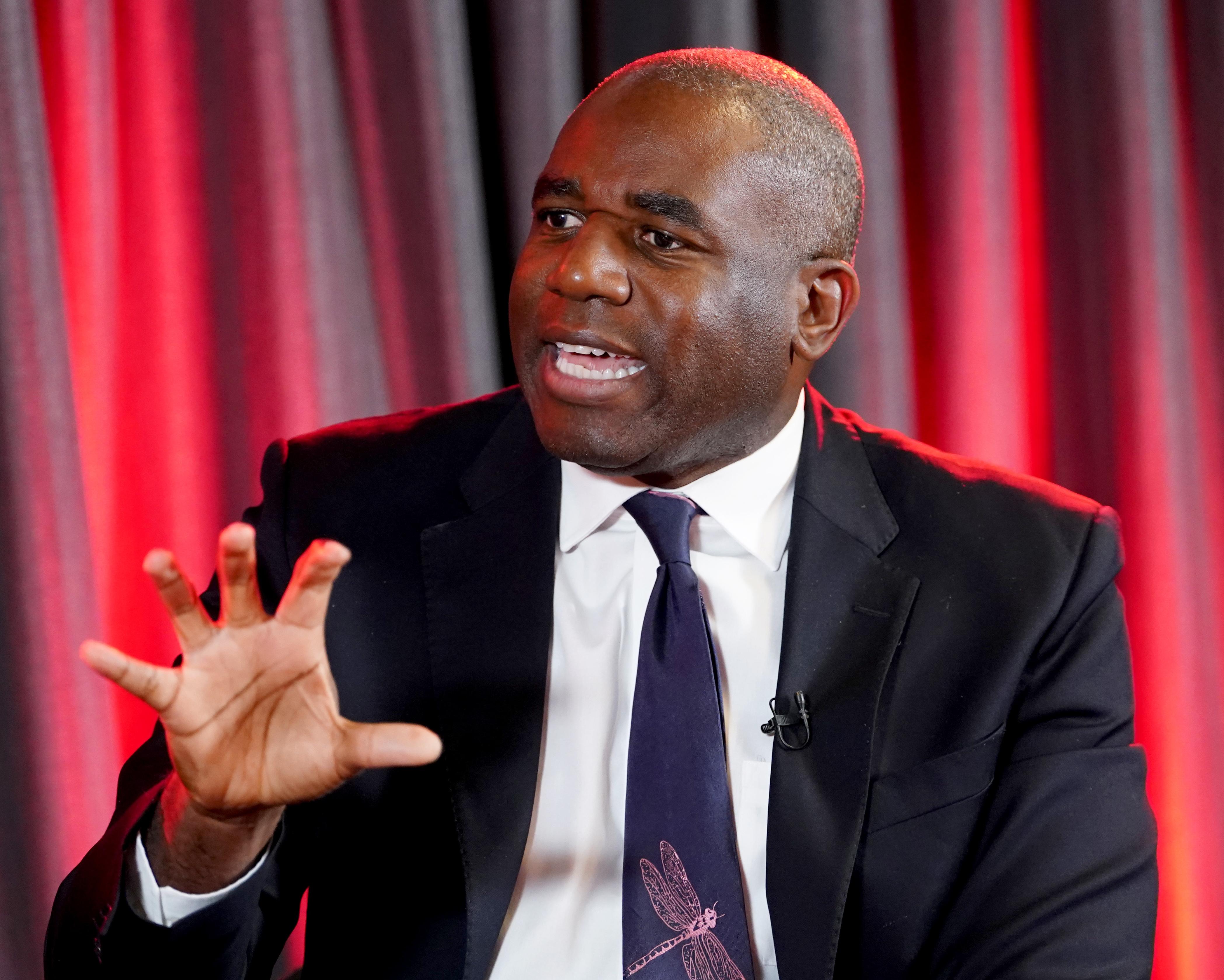
A cross-party Justice Select Committee has issued a stark warning that Justice Secretary David Lammy’s proposed reforms to remove the right to elect for a crown court trial could significantly worsen race relations. The committee’s 109-page report, released on Wednesday, concludes that the changes have the potential to increase mistrust in the criminal justice system among the black community, as black defendants are statistically more likely to elect for a jury trial than other ethnic groups.
The report highlights that in 2022, 26 per cent of black defendants elected for trial, compared with 15 per cent of white defendants, 17 per cent of Asian defendants, and 19 per cent of those of mixed ethnicity. Citing the 2017 Lammy Review, the committee noted that juries remain one of the few areas where black and ethnic minority defendants do not face disproportionate outcomes. The committee chair, Labour MP Andy Slaughter, described the current lack of diversity as a failure of government efforts to date.
Slaughter pointed to “shocking” figures showing that only 1 per cent of crown court judges are black, a proportion that has remained unchanged since 2015. The committee called on the government to establish a “clear national target” to achieve a representative judiciary and magistracy by 2035. “The persistence of such stark underrepresentation demonstrates that efforts to date have failed to deliver meaningful change,” Slaughter said in the report.
Beyond diversity concerns, MPs questioned the Ministry of Justice’s capacity to manage the increased caseloads resulting from the reforms. The government’s target of recruiting 21,000 magistrates by 2029 was described as “unrealistic,” with MPs noting that past recruitment campaigns have fallen far short and retention remains a persistent challenge. The committee expressed doubt that the magistrates’ courts would be able to cope with the volume of cases shifted from the crown court.
The government faces potential rebellions within its own ranks as the courts and tribunals bill returns to the Commons. Thirty-eight MPs have signed a letter urging Prime Minister Keir Starmer to reverse the plans. In response, a Ministry of Justice spokesperson argued that the reforms, combined with record investment, are necessary to clear the case backlog by the end of the parliament and protect jury trials for the most serious crimes.