Colts owner rejects impulsive changes amid fan scrutiny
Principal owner frames harsh criticism as evidence of engagement, citing inherited structural issues as reason for deliberate management approach
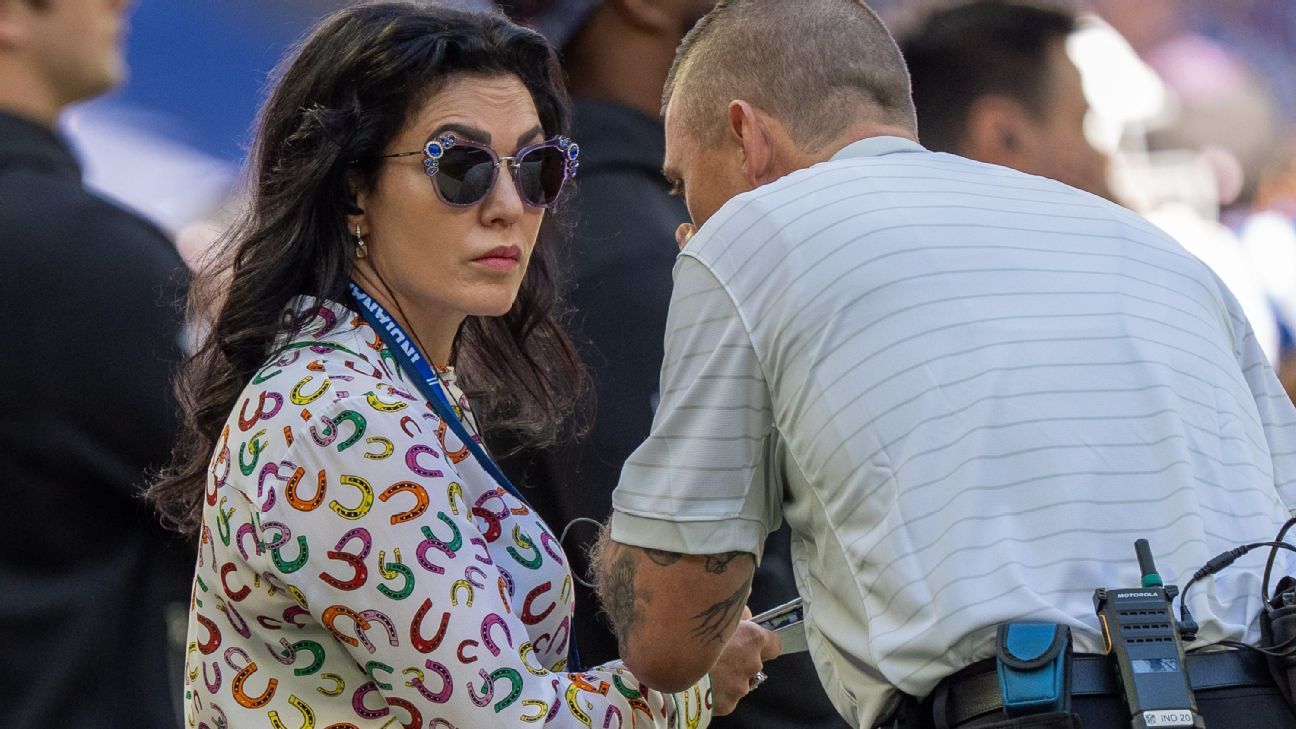
Indianapolis Colts principal owner Carlie Irsay-Gordon has confirmed she will not dismiss general manager Chris Ballard or head coach Shane Steichen, rejecting calls for immediate personnel changes following a difficult 2025 season. The decision, announced in January, comes after the franchise finished with an 8-9 record, marked by a seven-game losing streak and a failure to secure a playoff berth despite holding the best record in the NFL at the midseason mark.
Irsay-Gordon described the retention of the coaching and front office staff as a strategic choice to address inherited problems rather than making impulsive adjustments. She noted that while firing staff is the "easy decision," new hires often require three years to resolve existing issues without inadvertently creating further instability. This approach prioritises long-term structural fixes over short-term reactive measures.
The owner’s stance follows a period of intense public scrutiny, including a media address where she had to justify the decision to a fan base frustrated by five consecutive seasons without a playoff appearance. Irsay-Gordon stated that she prefers to proceed deliberately, weighing the pros and cons of every potential change to ensure that new strategies do not compound existing operational challenges.
Her management style is characterised by deep involvement in team operations, a practice that has drawn praise from staff. Tight end Mo Alie-Cox and Ballard have noted her consistent presence in meetings and on the sideline, where she wears a coaches’ headset to gain a granular understanding of game management. Players describe her as asking educated questions that demonstrate a multi-layered understanding of team dynamics, while allowing coaches the autonomy to execute their duties.
Irsay-Gordon has reframed the intensity of fan criticism as a positive indicator of engagement rather than apathy. She cited receiving three-page handwritten letters detailing grievances and roster breakdowns as evidence that supporters are deeply invested in the franchise. Drawing on a childhood memory from 1987, she recalled her late father, Jim Irsay, teaching her that criticism is an inherent part of the job and that the willingness of fans to voice strong opinions signifies they care about the team’s performance.