Colossal pivots to conservation utility with bluebuck project and open-source reproductive tech
CEO Ben Lamm confirms novel ovum pickup techniques and global biobanking will be made available free to assist in saving endangered species, though ecologist Douglas McCauley remains critical of the company's historical branding.
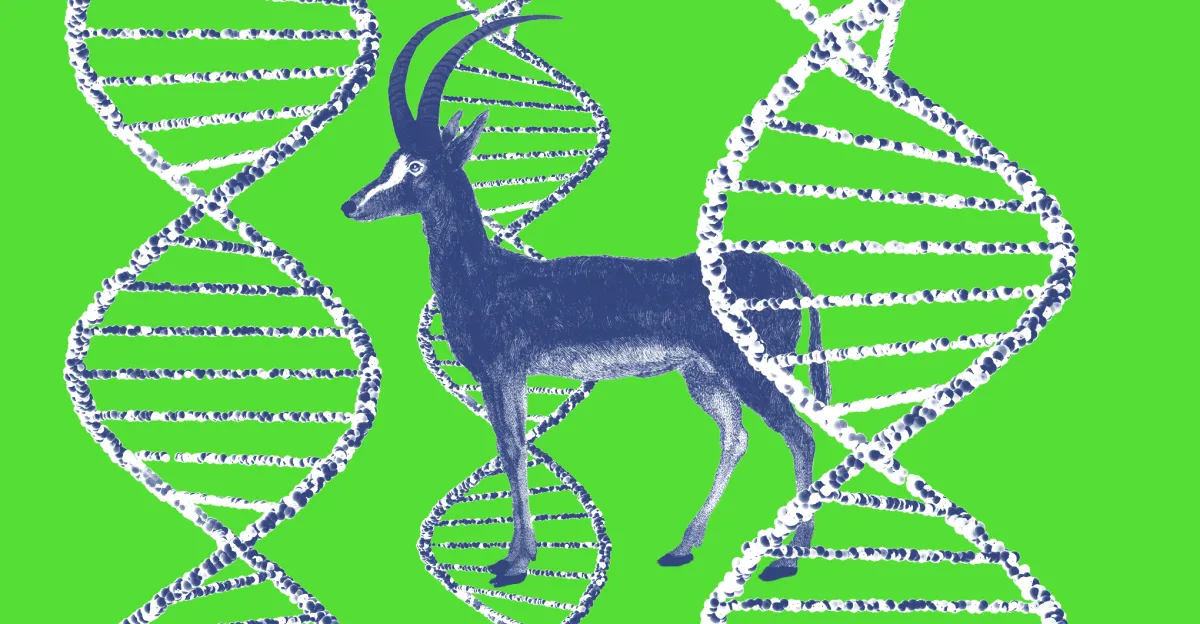
Dallas-based biotech startup Colossal has announced a strategic adjustment to its public-facing strategy, launching a new initiative focused on the bluebuck, a South African antelope species that went extinct around 1800. Unlike previous high-profile attempts to recreate extinct species, such as the dire wolf, which relied on hybrid genetics and drew criticism for misleading branding, this project emphasises the immediate application of the company's synthetic biology pipeline for active conservation.
The core of the new announcement is a commitment to open-source specific reproductive technologies developed for the bluebuck project. CEO Ben Lamm stated that the company's novel "ovum pickup" technique, which involves harvesting immature egg cells from live animals via ultrasound and needle aspiration, will be made available as a free resource to assist in saving threatened antelope species. This approach marks a departure from the proprietary model often associated with the firm's earlier work.
Lamm highlighted that approximately 30 per cent of antelope species are currently threatened with extinction, positioning the bluebuck project as a practical tool for broader conservation efforts. Alongside the reproductive technologies, the company is promoting a global biobanking initiative designed to preserve the genetic records of at-risk species. This repository aims to provide future scientists with the necessary genetic data to support species recovery and preservation.
The shift in strategy addresses past criticisms regarding the company's "de-extinction" branding. Ecologist Douglas McCauley, a vocal critic of Colossal's previous efforts, argued that focusing on resurrecting extinct species distracts from the accelerating decline of nature and diverts funding away from currently critically endangered species. While McCauley remains critical of the company's historical approach, he expressed cautious optimism regarding the utility of the specific reproductive technologies developed for this latest project.
McCauley noted that the ovum pickup technique represents a potentially useful and exportable technology that could be applied before a species goes extinct, addressing a recurring challenge in species preservation. He described the company's policy of making genomes and technologies available for conservation as a "really great best practice," suggesting that an increase in such repositories would benefit the scientific community.
Despite the apparent pivot, the scientific debate surrounding the term "de-extinction" persists. Critics maintain that creating hybrid organisms rather than true copies from ancient DNA is disingenuous, while Colossal argues that developing resilient techniques for difficult use cases and generating public excitement are necessary to attract funding and attention to conservation science.
